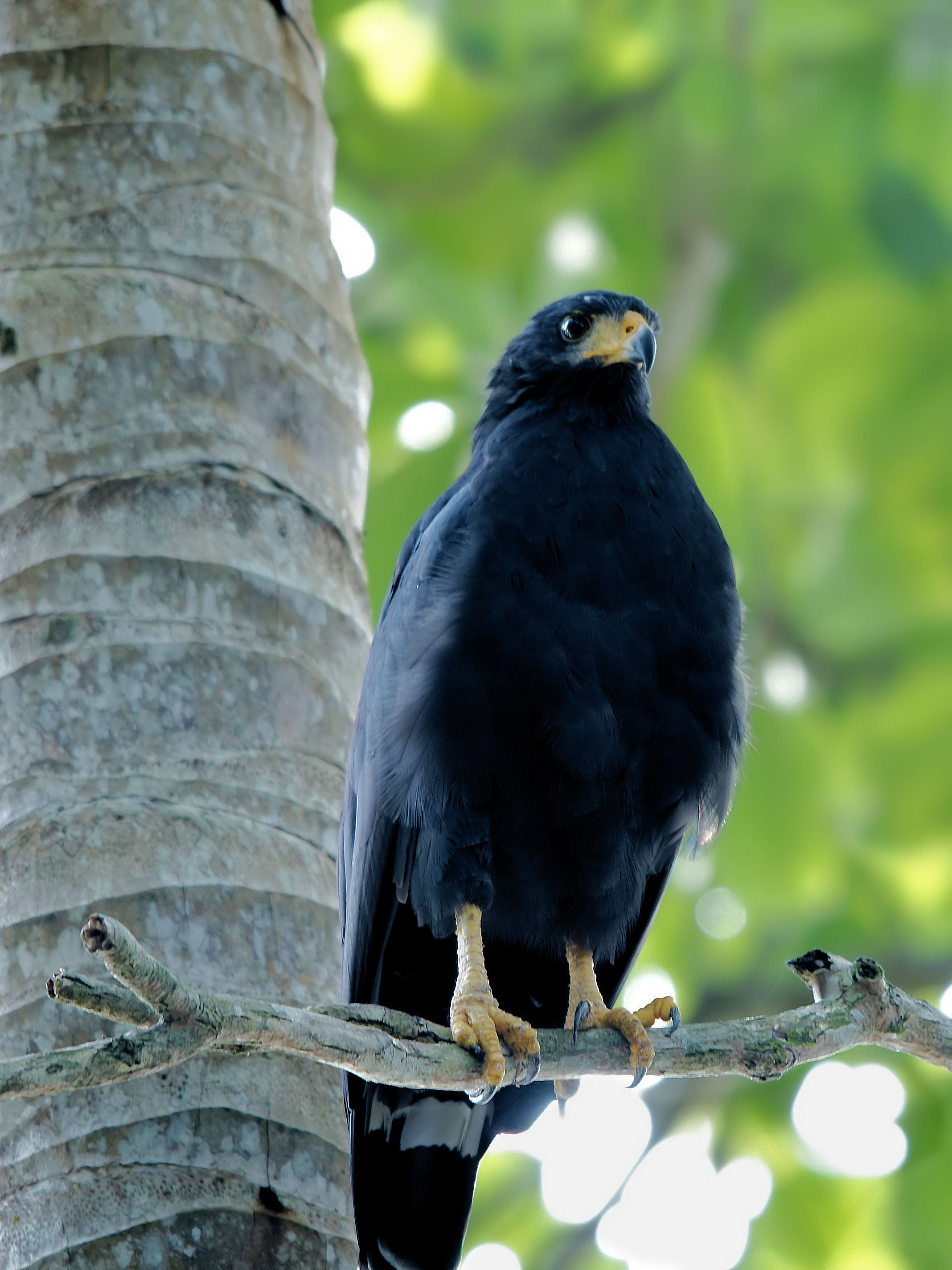
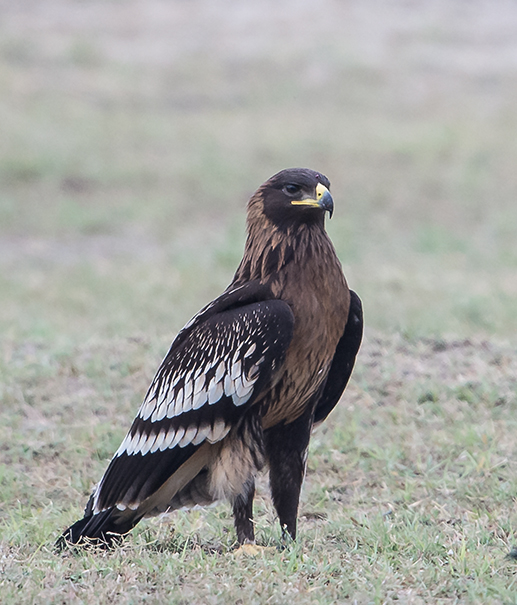
Common Black Hawk
Buteogallus anthracinus
Photo: Wikimedia Commons (CC) via https://en.wikipedia.org/wiki/Common_black_hawk
Overview
The common black hawk is a bird of prey in the family Accipitridae, which also includes the eagles, hawks, and vultures.
The Common Black Hawk faces significant threats from habitat loss and degradation, particularly the destruction of riparian forests and wetland ecosystems essential for its survival. Human development, water diversions, and agricultural expansion have fragmented its specialized habitat requirements, while pollution and climate change further impact prey availability and nesting success.
Habitat
Riparian forests, wooded canyons, and areas near permanent water sources including rivers, streams, ponds, and marshes, typically below 1,500m elevation. The species requires mature trees for nesting and adjacent wetlands or waterways that support abundant aquatic prey such as fish, frogs, and crustaceans.
Other threatened species in Accipitridae
Frequently asked questions
Why is Common Black Hawk classified as Vulnerable?
Where does Common Black Hawk live?
What are the main threats to Common Black Hawk?
Get weekly conservation intelligence
One short digest a week of the most striking species and country data we ship, plus breaking conservation news paired with our database where it matters.
Free, no spam. One-click unsubscribe in every email.