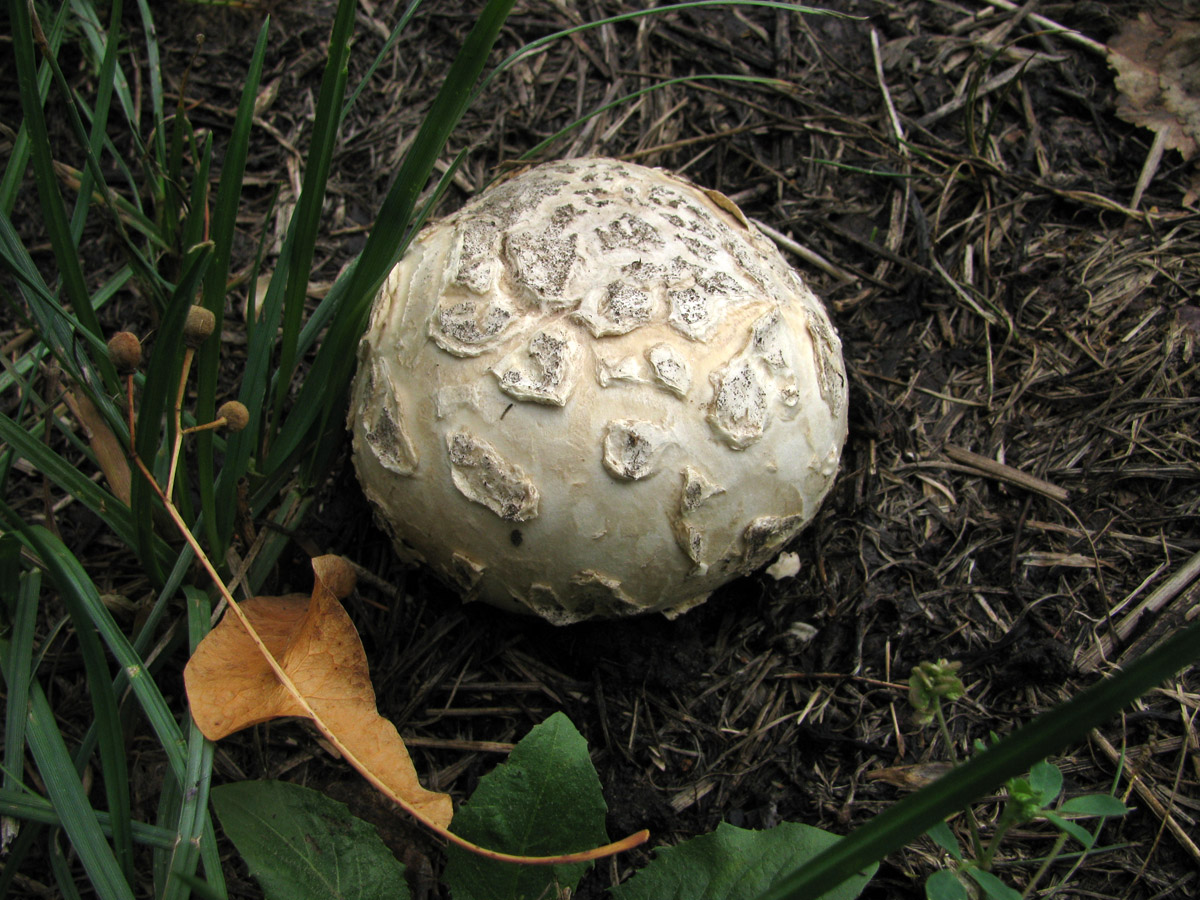
Corkstar Puffball
Mycenastrum corium
Photo: Wikimedia Commons (CC) via https://en.wikipedia.org/wiki/Mycenastrum
Overview
Mycenastrum is a fungal genus in the family Agaricaceae. The genus is monotypic, containing one widely distributed species, Mycenastrum corium, known by various common names: the giant pasture puffball, leathery puffball, or tough puffball.
The Corkstar Puffball faces significant decline due to habitat loss from agricultural expansion and urban development across its limited range. Climate change and altered precipitation patterns are disrupting the specific soil and moisture conditions this fungus requires for fruiting and spore dispersal.
Habitat
The puffball is widely distributed, and has been recorded in Africa (Zimbabwe), Asia (China, India, Iran, Mongolia, and Yemen), South America (Argentina, Chile and Uruguay), North America, Australia, and New Zealand. In Europe it is found in southern Scandinavia and is widespread to the south of the continent. Although it was reported in Scotland in 2010 (its first appearance on the British...
Other threatened species in Agaricaceae


Frequently asked questions
Why is Corkstar Puffball classified as Endangered?
Where does Corkstar Puffball live?
What are the main threats to Corkstar Puffball?
Get weekly conservation intelligence
One short digest a week of the most striking species and country data we ship, plus breaking conservation news paired with our database where it matters.
Free, no spam. One-click unsubscribe in every email.