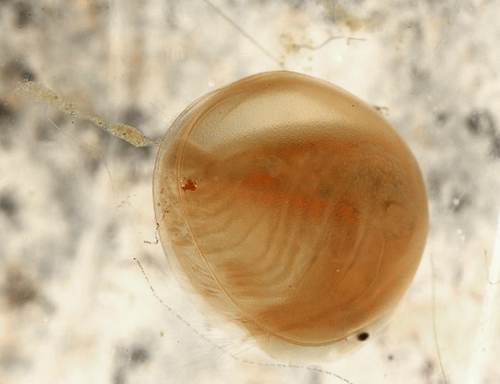
Common Lynceus
Lynceus brachyurus
Photo: iNaturalist: (c) Tom Murray, some rights reserved (CC BY-NC), uploaded by Tom Murray
Overview
Lynceus brachyurus, known generally as the holarctic clam shrimp or common lynceus, is a species of clam shrimp in the family Lynceidae. It is found in Europe.
Common Lynceus faces significant threats from habitat degradation and loss of temporary freshwater pools due to agricultural intensification and urban development. Water pollution from agricultural runoff and climate-induced changes to precipitation patterns further threaten the ephemeral aquatic habitats this species depends on for reproduction and survival.
Habitat
Temporary freshwater pools, seasonal ponds, and ephemeral wetlands in grasslands and agricultural landscapes. This species requires shallow, temporary water bodies that periodically dry out, allowing for the completion of its drought-resistant life cycle.
Threatened in Canada
Frequently asked questions
Why is Common Lynceus classified as Vulnerable?
Where does Common Lynceus live?
What are the main threats to Common Lynceus?
Get weekly conservation intelligence
One short digest a week of the most striking species and country data we ship, plus breaking conservation news paired with our database where it matters.
Free, no spam. One-click unsubscribe in every email.