Common Pouchwort
VUVulnerable

Common Pouchwort

Calypogeia fissa

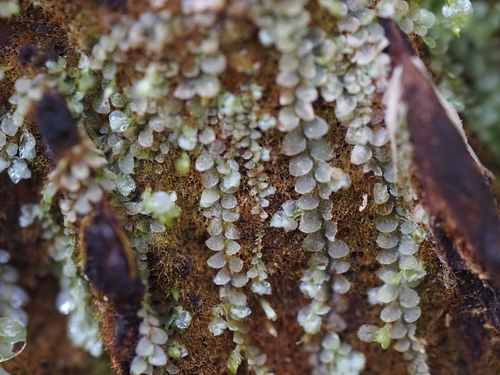
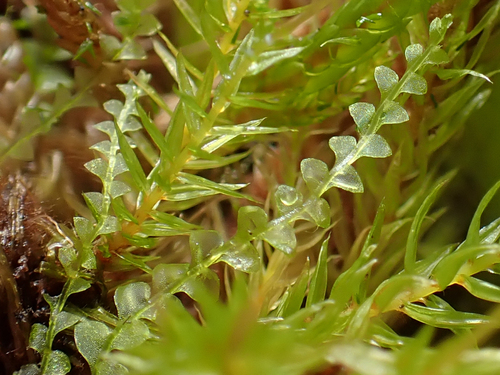
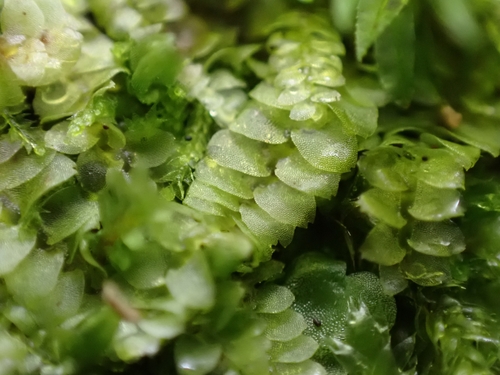
Common Pouchwort (Calypogeia fissa) is a small leafy liverwort characterized by its distinctive pouch-like structures (marsupium) that contain gemmae for asexual reproduction. This bryophyte forms low-growing mats with deeply divided, two-lobed leaves and plays an important ecological role in forest ecosystems by contributing to soil formation, moisture retention, and providing microhabitat for invertebrates.

Photo: iNaturalist: (c) Helen Waterman, some rights reserved (CC BY), uploaded by Helen Waterman

01Classification

Taxonomy & Classification

Kingdom

Plantae

Phylum

Marchantiophyta

Class

Jungermanniopsida

Order

Jungermanniales

Family

Calypogeiaceae

Genus

Calypogeia

Common Pouchwort belongs to the family Calypogeiaceae, order Jungermanniales, within the Jungermanniopsida class.

02Description

Species Profile

Common Pouchwort (Calypogeia fissa) is a small leafy liverwort characterized by its distinctive pouch-like structures (marsupium) that contain gemmae for asexual reproduction. This bryophyte forms low-growing mats with deeply divided, two-lobed leaves and plays an important ecological role in forest ecosystems by contributing to soil formation, moisture retention, and providing microhabitat for invertebrates.

Common Pouchwort faces significant threats from habitat degradation due to air pollution, acid rain, and climate change affecting the moist, shaded environments it requires. Urban development and forest fragmentation have reduced suitable habitat availability, while changes in precipitation patterns and temperature regimes threaten the delicate moisture balance essential for this bryophyte's survival.

Key Facts

IUCN StatusVulnerable (VU)
GroupPlants
03Habitat

Habitat & Distribution

Moist, shaded environments including deciduous and mixed woodlands, particularly on rotting logs, tree bases, and humus-rich soil in areas with consistent moisture. Also found on stream banks, in ravines, and other sheltered locations with stable humidity levels.

04Threats

Threats

Air pollution and acid rain

HighOngoing

Habitat fragmentation from urban development

HighOngoing

Changes in canopy cover affecting microhabitat conditions

MediumOngoing

Climate change altering moisture regimes

MediumOngoing

Forest management practices reducing suitable substrates

MediumOngoing
07National Status

National vs Global Threat Status

How this species is assessed at the national level compared to its IUCN global status (VU).

CountryNational StatusGlobal StatusComparison
EULCLeast ConcernVUVulnerableLower local risk

National Red List data sourced from the National Red List Project (nationalredlist.org, ZSL) and country-specific Red List authorities.

Community

Community Sightings

Report a sighting

No community sightings yet. Be the first to report!

07Sources

Sources & Attribution

How to Cite

IUCN: IUCN (2025). The IUCN Red List of Threatened Species. Version 2025-1. Available at: https://www.iucnredlist.org. doi:10.2305/IUCN.UK.2025-1.RLTS

GBIF: GBIF.org (2025). GBIF Home Page. Available at: https://www.gbif.org

National Red Lists: ZSL (2025). National Red List. Zoological Society of London. Available at: https://www.nationalredlist.org

This page: SpeciesRadar (2025). Common Pouchwort (Calypogeia fissa). SpeciesRadar: Intelligence for Earth's Biodiversity. Available at: https://speciesradar.org/species/common-pouchwort

Full citation guide & data usage terms