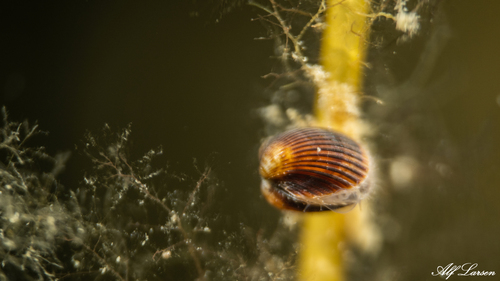
Copenhagen cockle
Parvicardium hauniense
Photo: iNaturalist: (c) alflar, some rights reserved (CC BY-NC)
Overview
Parvicardium hauniense is a species of mollusc, known as Copenhagen cockle. It is an endemic species to the Baltic Sea.
The Copenhagen cockle faces significant threats from habitat degradation in shallow marine environments due to coastal development, pollution, and climate change impacts. Its restricted distribution in northern European waters makes it particularly vulnerable to localized environmental changes and human activities that alter sediment composition and water quality.
Habitat
Inhabits shallow marine waters and intertidal zones with sandy and muddy substrates in the North Sea and Baltic Sea regions. Typically found buried in soft sediments in coastal areas, estuaries, and shallow bays at depths ranging from the intertidal zone to approximately 30 meters.
Threatened in Åland Islands


Frequently asked questions
Why is Copenhagen cockle classified as Vulnerable?
Where does Copenhagen cockle live?
What are the main threats to Copenhagen cockle?
Get weekly conservation intelligence
One short digest a week of the most striking species and country data we ship, plus breaking conservation news paired with our database where it matters.
Free, no spam. One-click unsubscribe in every email.