
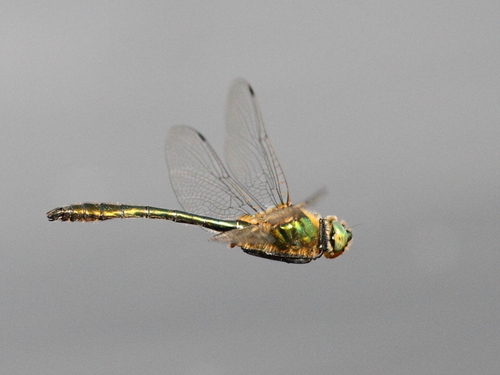
Brilliant Emerald
Somatochlora metallica
Photo: Wikimedia Commons (CC) via https://en.wikipedia.org/wiki/Brilliant_emerald
Overview
The brilliant emerald, Somatochlora metallica, is a middle-sized species of dragonfly. It is the largest and greenest of the Somatochlora species; 50–55 millimetres (2.0–2.2 in) long.
The Brilliant Emerald faces significant threats from habitat degradation and loss of suitable breeding sites. Pollution of freshwater systems, drainage of wetlands, and climate change impacts on aquatic ecosystems are reducing the availability of clean, well-oxygenated waters essential for larval development.
Habitat
Inhabits acidic bog pools, moorland ponds, small lakes, and slow-flowing streams with abundant emergent vegetation, typically in upland and northern regions. Adults require nearby woodland edges and clearings for foraging and maturation.
Other threatened species in Corduliidae



Threatened in Åland Islands


Frequently asked questions
Why is Brilliant Emerald classified as Vulnerable?
Where does Brilliant Emerald live?
What are the main threats to Brilliant Emerald?
Get weekly conservation intelligence
One short digest a week of the most striking species and country data we ship, plus breaking conservation news paired with our database where it matters.
Free, no spam. One-click unsubscribe in every email.