
Sand-colored Carder Bee
Bombus veteranus
Photo: Wikimedia Commons (CC) via https://en.wikipedia.org/wiki/Bombus_veteranus
Overview
Bombus veteranus, is a species of bumblebee in the subgenus Thoracobombus. The species is native to much of central Europe, Romania, Lithuania, Estonia, Finland.
Bombus veteranus faces significant population declines across its range due to habitat loss from agricultural intensification and urban development. The species is particularly vulnerable to changes in flower-rich grasslands and heathlands that provide essential foraging resources, while climate change is altering the timing of flowering plants and suitable nesting sites.
Habitat
This species inhabits flower-rich grasslands, heathlands, coastal dunes, and woodland edges across northern and western Europe. It shows particular preference for areas with abundant leguminous plants and requires suitable underground nesting sites in well-drained soils.
Other threatened species in Apidae
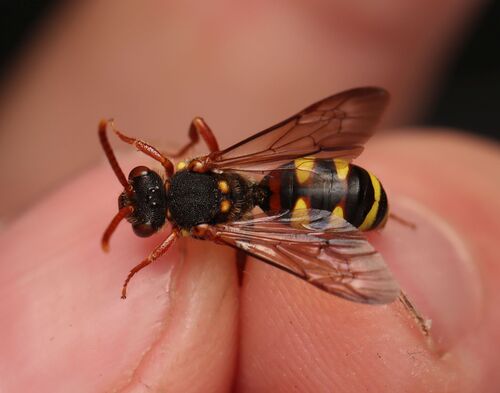
Threatened in Albania

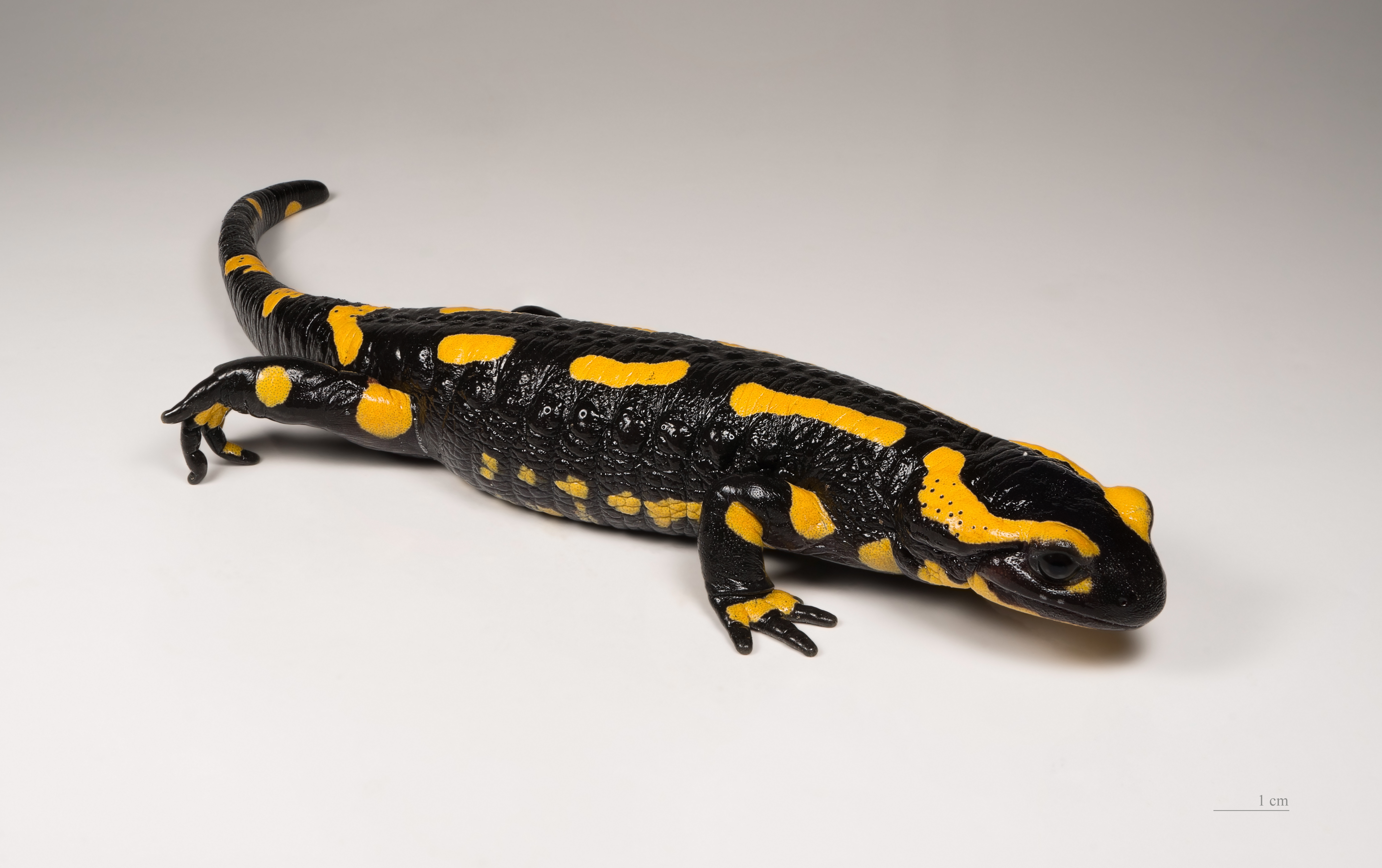
Frequently asked questions
Why is Sand-colored Carder Bee classified as Vulnerable?
Where does Sand-colored Carder Bee live?
What are the main threats to Sand-colored Carder Bee?
Get weekly conservation intelligence
One short digest a week of the most striking species and country data we ship, plus breaking conservation news paired with our database where it matters.
Free, no spam. One-click unsubscribe in every email.