Species Explorer
Browse and search species from the IUCN Red List and GBIF.
54,666 species
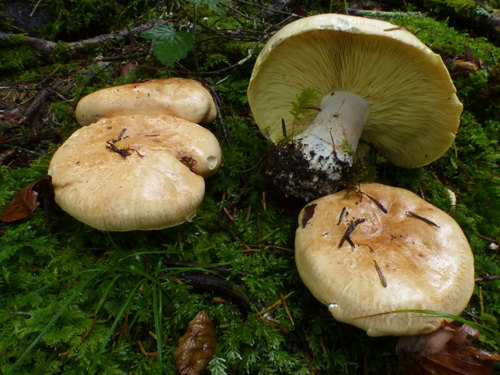
brödmusseron
CRLeucopaxillus tricolor
Leucopaxillus tricolor faces severe population decline primarily due to habitat loss and degradation of its specialized grassland and woodland edge environments. The species appears to be highly sensitive to changes in land use practices, particularly agricultural intensification and urbanization that fragment or eliminate its preferred habitats.

Broken-banded Wasp-hoverfly
VUChrysotoxum octomaculatum
The Broken-banded Wasp-hoverfly faces significant threats from habitat loss and degradation due to agricultural intensification and urbanization across its European range. Climate change is altering the distribution and phenology of both the species and its host plants, while pesticide use in agricultural areas directly impacts populations and reduces prey availability.

brokig barksvartbagge
CRCorticeus fasciatus
The brokig barksvartbagge (Corticeus fasciatus) is critically endangered primarily due to habitat loss from deforestation and forest fragmentation in its limited range. This bark beetle species depends on specific old-growth forest conditions and dead wood substrates that are increasingly rare due to intensive forestry practices and urban development.

brokig kamnuding
VUTrinchesia caerulea
Trinchesia caerulea faces significant threats from coastal development and pollution in its marine habitats, which degrade the water quality essential for this nudibranch's survival. Climate change-induced ocean acidification and warming temperatures further stress populations by affecting their prey species and altering suitable habitat conditions.

brokig majbagge
CRMeloe variegatus
Meloe variegatus, the variegated oil beetle, faces severe population declines primarily due to habitat loss and degradation of flower-rich grasslands and meadows essential for both adult feeding and their complex parasitic lifecycle. Agricultural intensification, pesticide use, and loss of wild bee hosts have further compromised this species' survival across its European range.

brokstrandlöpare
VUBembidion semipunctatum
Bembidion semipunctatum faces significant threats from habitat loss and degradation of its specialized coastal and wetland environments. Climate change and sea level rise pose particular risks to this ground beetle's narrow habitat requirements, while human development and pollution of shoreline areas further reduce available suitable habitat.
Bronsgravertje
CRDyschirius semistriatus
Dyschirius semistriatus faces severe threats from habitat loss and degradation of its specialized coastal and wetland environments. The species is particularly vulnerable due to its restricted range and specific habitat requirements, making it highly susceptible to environmental changes and human disturbance.
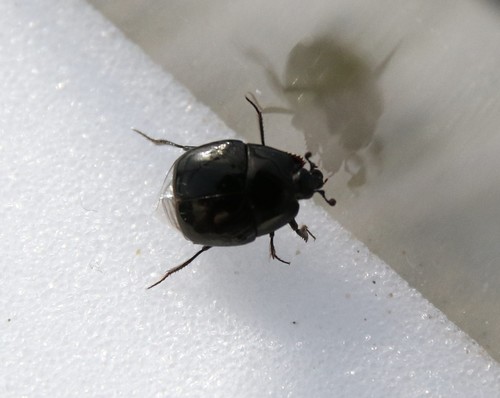
bronsstumpbagge
CRSaprinus planiusculus
Saprinus planiusculus faces severe population decline primarily due to habitat loss and degradation of its specialized dung beetle ecosystem requirements. The species' dependence on specific carrion and dung resources makes it particularly vulnerable to changes in livestock management practices and agricultural intensification.

Bronze Forester
CRJordanita chloros
The Bronze Forester (Jordanita chloros) is critically endangered primarily due to habitat loss and degradation of its specialized coastal grassland and cliff-top environments. The species has an extremely restricted range and small population size, making it highly vulnerable to environmental changes and human disturbance in its limited habitat.
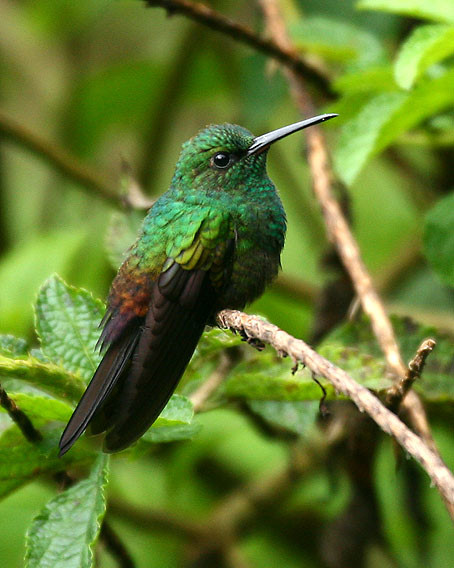
Bronze-tailed Plumeleteer
VUChalybura urochrysia
The Bronze-tailed Plumeleteer faces significant pressure from habitat loss and fragmentation due to deforestation and agricultural expansion throughout its range in Central and South America. Climate change poses additional risks by altering the montane forest ecosystems this hummingbird depends on, potentially shifting suitable habitat zones beyond the species' adaptive capacity. Human encroachment and infrastructure development further fragment remaining forest patches, reducing population connectivity and breeding success.
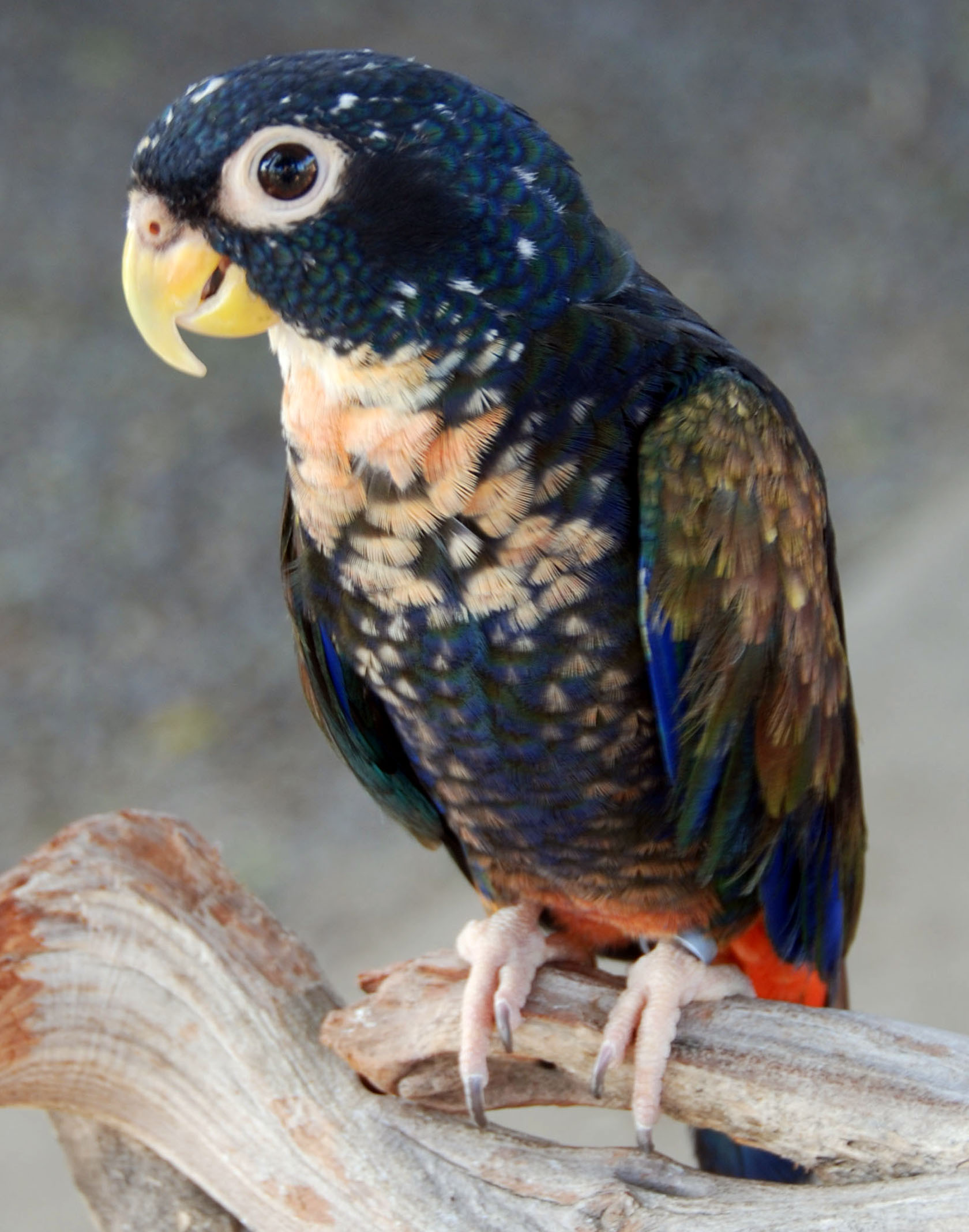
Bronze-winged Parrot
VUPionus chalcopterus
The Bronze-winged Parrot faces significant pressure from ongoing deforestation and habitat fragmentation throughout its Andean range, particularly from agricultural expansion and logging activities. Additional threats include capture for the illegal pet trade and climate change impacts on montane forest ecosystems, which are reducing suitable habitat availability and quality.
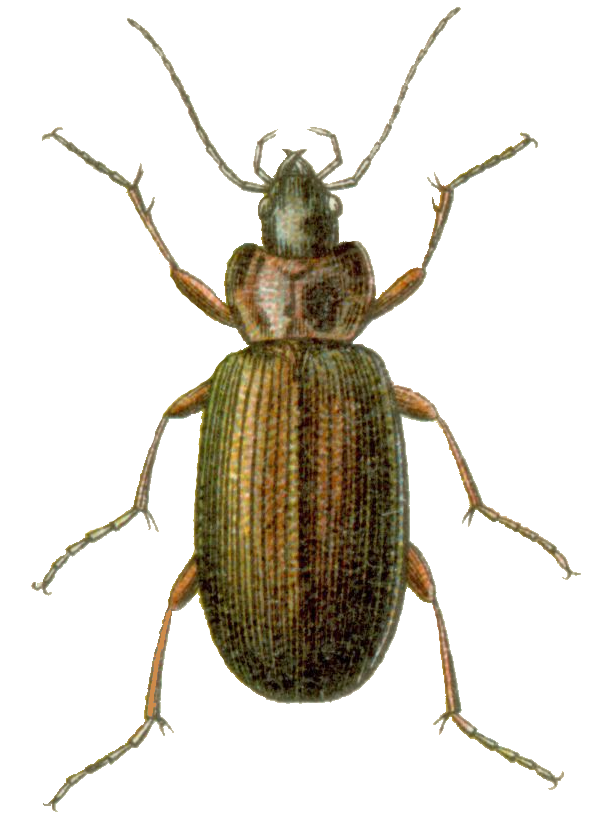
Bronzekvikløber
CRAgonum gracilipes
Agonum gracilipes is critically endangered primarily due to habitat loss and degradation of its specialized wetland environments. The species is restricted to very limited coastal and wetland areas that are increasingly threatened by human development, climate change impacts, and hydrological alterations.

Brook Lamprey
VULampetra planeri
Brook Lamprey faces significant threats from habitat degradation and water quality deterioration across its European range. River channelization, pollution from agricultural runoff and urban development, and dam construction have fragmented populations and reduced suitable spawning and nursery habitats, making this species vulnerable to further decline.
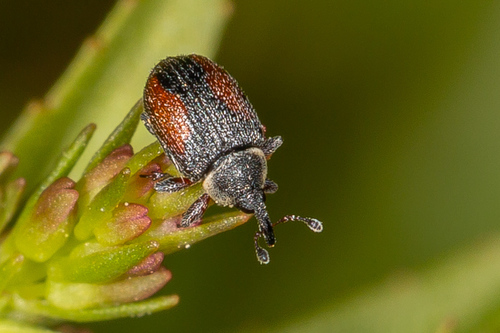
Brooklime Gull Weevil
VUGymnetron veronicae
The Brooklime Gull Weevil faces significant threats from habitat loss and degradation as wetland areas and riparian zones where its host plant brooklime (Veronica beccabunga) grows are increasingly impacted by agricultural expansion, urban development, and water management practices. Climate change poses additional risks through altered precipitation patterns and temperature regimes that affect both the weevil and its obligate host plant relationship.
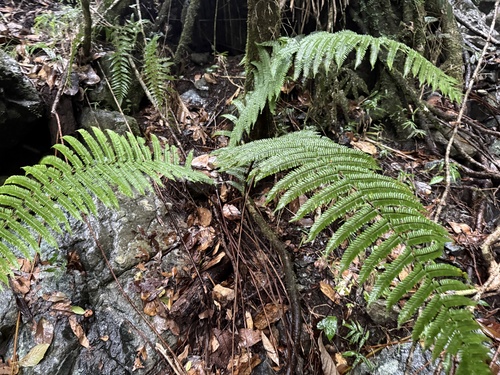
Brooks' alsophila
CRAlsophila brooksii
Brooks' alsophila is critically endangered primarily due to severe habitat loss and fragmentation from deforestation and agricultural expansion in its limited range in the Atlantic Forest of Brazil. The species has an extremely restricted distribution and small population size, making it highly vulnerable to any further habitat degradation or loss.

Broom-tip
ENChesias rufata
Chesias rufata faces severe population declines primarily due to habitat loss from deforestation and agricultural conversion of its specialized woodland habitats. Climate change and fragmentation of remaining forest patches further threaten this moth species' survival.

Brown Argus
VUAricia agestis
The Brown Argus butterfly is declining primarily due to habitat loss and fragmentation of chalk downlands and limestone grasslands through agricultural intensification and urban development. Climate change is also affecting the distribution and phenology of both the butterfly and its host plants, while changes in grazing management have led to scrubland encroachment that reduces suitable breeding habitat.

Brown Bog-rush
VUSchoenus ferrugineus
Brown Bog-rush faces significant threats from habitat loss and degradation due to drainage and conversion of wetland areas for agriculture and development. Climate change poses additional risks through altered precipitation patterns and temperature regimes that affect the delicate water balance of bog ecosystems. The species' specialized habitat requirements and fragmented distribution make populations particularly vulnerable to environmental changes.
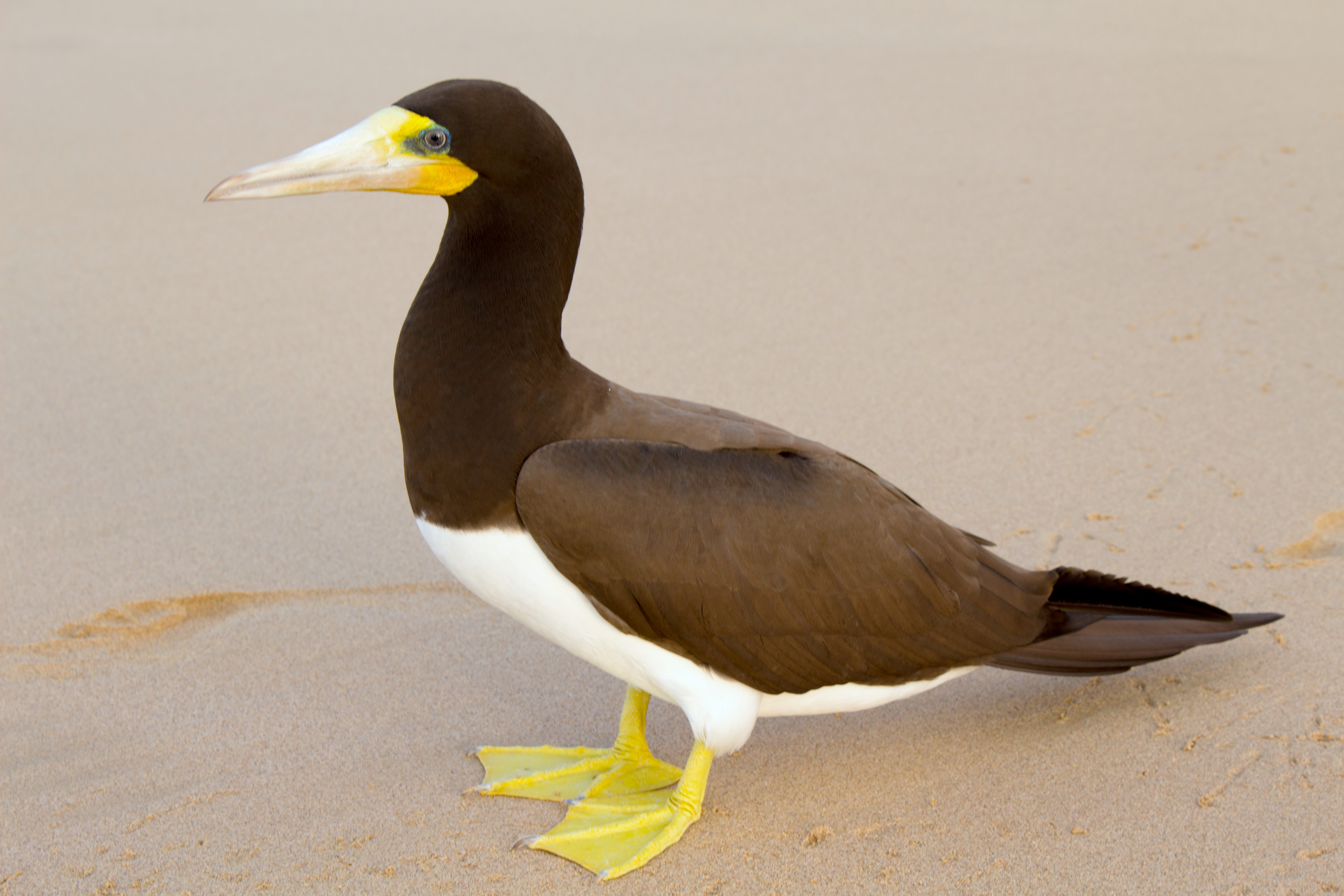
Brown Booby
ENSula leucogaster
Brown Boobies face significant threats from habitat loss due to coastal development and human disturbance at nesting colonies. Climate change impacts, including sea level rise and altered ocean conditions affecting prey availability, pose additional challenges to breeding success and population stability.

Brown Egg Frog
ENCtenophryne geayi
The Brown Egg Frog faces severe population declines primarily due to extensive deforestation and habitat fragmentation across its limited range in the Guiana Shield region. Mining activities, agricultural expansion, and infrastructure development have significantly reduced and degraded the pristine forest habitats this species requires for survival.

Brown Emerald Damselfly
ENSympecma fusca
The Brown Emerald Damselfly faces severe population declines primarily due to habitat loss and degradation of its specialized wetland breeding sites. Drainage of ponds, ditches, and slow-flowing water bodies for agriculture and development has eliminated much of its suitable habitat across Europe.
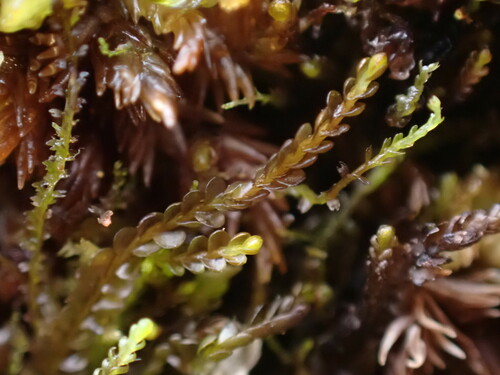
Brown Flapwort
VUOdontoschisma elongatum
Brown Flapwort faces significant threats from habitat degradation and loss due to air pollution, acid rain, and climate change affecting the specialized bryophyte communities it depends on. The species is particularly vulnerable to changes in moisture levels and atmospheric chemistry that alter the delicate balance of its epiphytic and terrestrial moss habitats.

Brown Galingale
CRCyperus fuscus
Brown Galingale (Cyperus fuscus) faces severe decline primarily due to habitat loss and degradation of wetland ecosystems. The species' specialized requirements for temporary pools and muddy margins make it particularly vulnerable to drainage, agricultural conversion, and water management changes that alter natural flooding cycles.
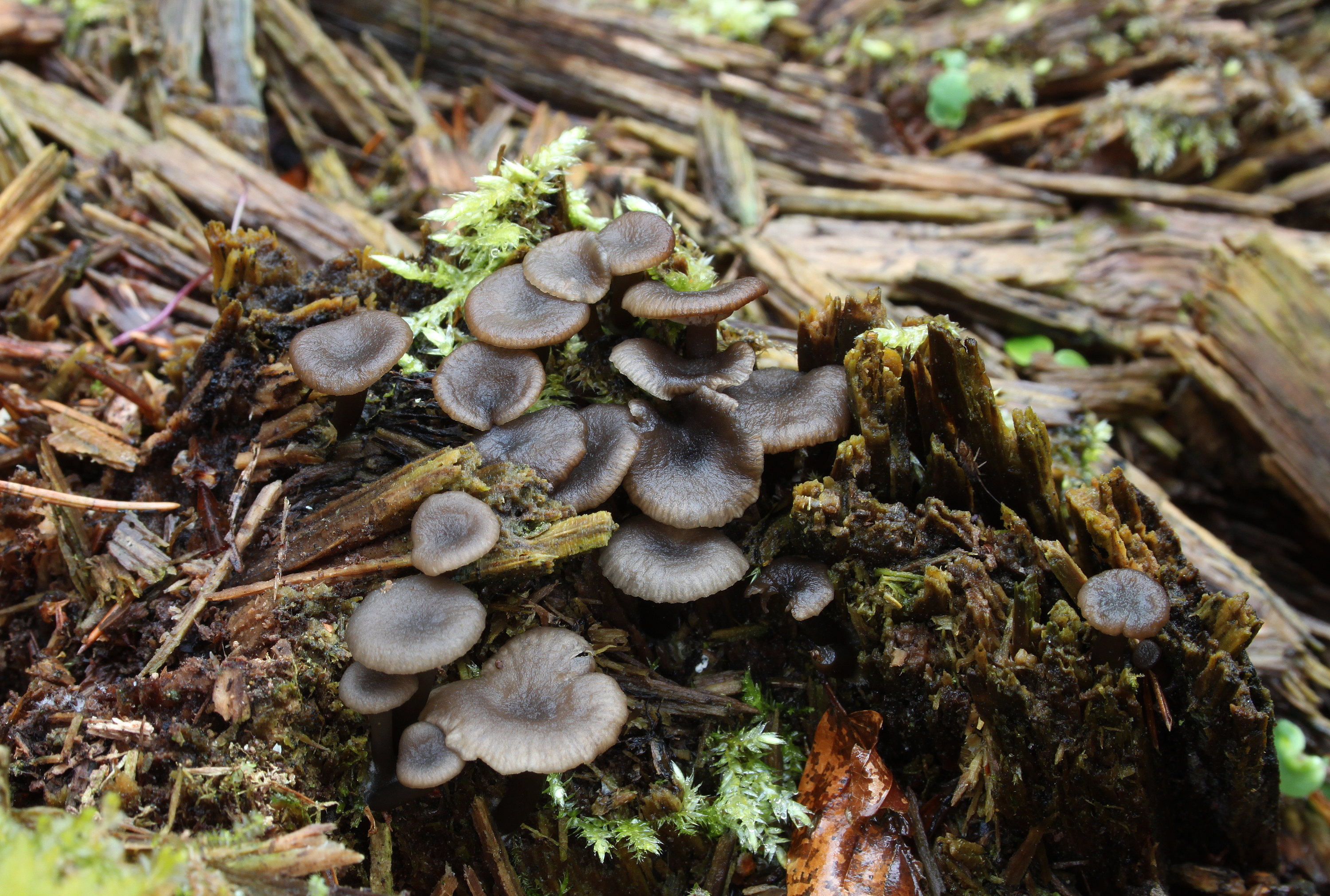
Brown Goblet
ENArrhenia epichysium
The Brown Goblet (Arrhenia epichysium) is declining primarily due to habitat loss and degradation of its specialized moss-rich environments. Climate change and atmospheric pollution are altering the delicate moisture and chemical conditions required for both the fungus and its moss substrates to survive.

Brown Hairstreak
VUThecla betulae
The Brown Hairstreak faces significant population declines across its European range due to habitat loss and fragmentation of its specialized woodland and scrubland habitats. Intensive agricultural practices and urban development have eliminated many of the blackthorn-rich hedgerows and woodland edges essential for this species' survival, while climate change is altering the timing of its life cycle and suitable habitat distribution.

Brown Smoothhound
VUMustelus henlei
The Brown Smoothhound faces significant pressure from commercial and recreational fishing activities throughout its range, with populations declining due to overfishing and bycatch in gillnet and trawl fisheries. Habitat degradation in coastal nursery areas, combined with the species' slow reproductive rate and late maturity, makes recovery particularly challenging once populations are depleted.

Brown Tinamou
VUCrypturellus obsoletus
The Brown Tinamou faces significant pressure from widespread deforestation and habitat fragmentation across its South American range, particularly due to agricultural expansion, cattle ranching, and logging activities. Hunting pressure for subsistence and commercial purposes further threatens populations, while climate change is altering the composition and distribution of the forest ecosystems this ground-dwelling species depends upon.

Brown Wood-Rail
VUAramides wolfi
The Brown Wood-Rail faces significant threats from habitat loss and fragmentation due to deforestation, agricultural expansion, and human settlement development throughout its range in South American wetlands and forest margins. Its specialized habitat requirements make it particularly vulnerable to environmental changes, while hunting pressure and wetland drainage further contribute to population declines.
Brown-ribbed Dandelion
CRTaraxacum pannulatum
The Brown-ribbed Dandelion faces severe threats primarily from habitat destruction and fragmentation due to agricultural expansion and urban development in its limited range. Climate change poses additional pressure through altered precipitation patterns and temperature shifts that affect its specialized alpine and subalpine habitat requirements.

Brown-veined Neb
VUMetzneria neuropterella
The Brown-veined Neb faces significant threats from habitat loss and degradation due to agricultural intensification and urban development across its European range. Climate change poses additional risks by altering the distribution and phenology of its host plants, while pesticide use in agricultural areas directly impacts both the species and its food sources.

Brown-veined Wainscot
VUArchanara dissoluta
The Brown-veined Wainscot faces significant threats from wetland habitat loss and degradation across its range, as agricultural expansion and urban development continue to destroy the reed beds and marshy areas essential for its survival. Climate change and altered water regimes further threaten the stability of remaining wetland habitats, while pollution from agricultural runoff degrades water quality in breeding areas.

Brownstriped Grunt
VUAnisotremus moricandi
The Brownstriped Grunt faces significant pressure from overfishing and habitat degradation throughout its Caribbean and western Atlantic range. Coastal development, pollution, and climate change impacts on coral reef ecosystems further threaten this species, while its importance in commercial and recreational fisheries has led to population declines in many areas.

Bruin stippelschildmos
VUPunctelia stictica
Bruin stippelschildmos faces significant threats from air pollution, particularly nitrogen deposition and sulfur compounds, which alter the chemical composition of its substrate and reduce lichen diversity. Habitat loss through deforestation and urban development further restricts available suitable surfaces, while climate change affects the delicate moisture balance required for this epiphytic species.
bruine beukegordijnzwam
ENCortinarius holophaeus
Cortinarius holophaeus is declining primarily due to habitat loss and degradation of old-growth beech forests across Europe. The species is particularly vulnerable to forest management practices that alter soil chemistry and mycorrhizal relationships, as well as climate change impacts on its specialized forest ecosystem.
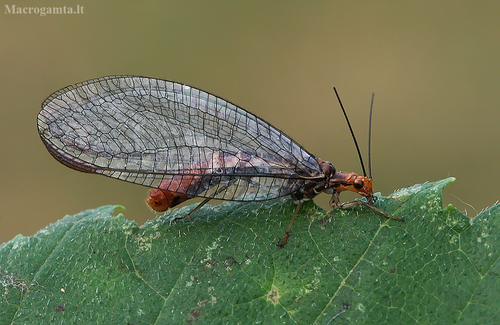
bruinrode gaasvlieg
VUNothochrysa capitata
The bruinrode gaasvlieg faces significant threats from habitat degradation and loss due to agricultural intensification and urbanization across its European range. Climate change and pesticide use in agricultural areas further compound pressures on this lacewing species, affecting both adult populations and their prey base of aphids and other small insects.
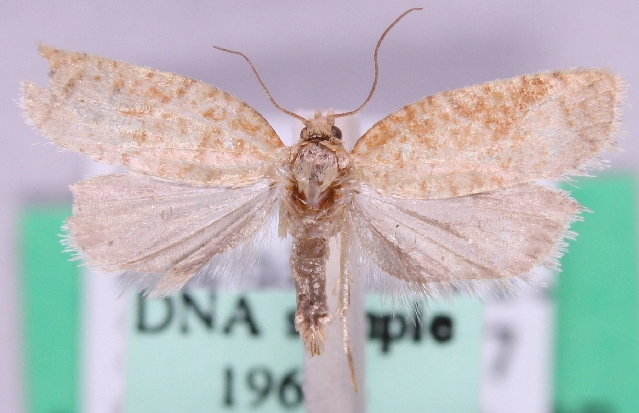
brun ekvårvecklare
ENAcleris quercinana
The brun ekvårvecklare (Acleris quercinana) is declining primarily due to habitat loss and fragmentation of oak woodlands, particularly ancient oak forests that support its specialized lifecycle. Climate change and forest management practices that favor younger tree stands over mature oak habitats further threaten this species' survival.
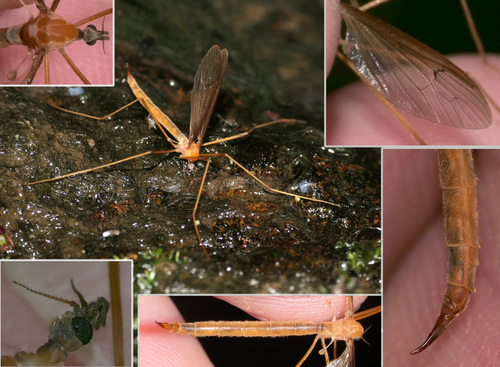
brun hårögonharkrank
VUPedicia littoralis
Pedicia littoralis faces significant threats from coastal habitat degradation and loss due to human development, pollution, and climate change impacts on shoreline ecosystems. The species' specialized requirements for specific moisture and substrate conditions in coastal environments make it particularly vulnerable to environmental changes and habitat fragmentation.
brun jordtunga
VUGeoglossum hakelieri
Brun jordtunga faces significant threats from habitat degradation and loss of suitable grassland ecosystems due to agricultural intensification and land use changes. The species' specialized ecological requirements and apparent rarity across its range make it particularly vulnerable to environmental pressures and climate-related shifts in habitat conditions.

brun knotterspindel
CRCrustulina sticta
Crustulina sticta, the brun knotterspindel, faces severe population decline primarily due to habitat loss and fragmentation of its specialized woodland environments. The species' extremely limited distribution and small population size make it particularly vulnerable to environmental changes and human disturbance. Climate change and altered forest management practices further threaten the specific microhabitat conditions this spider requires for survival.
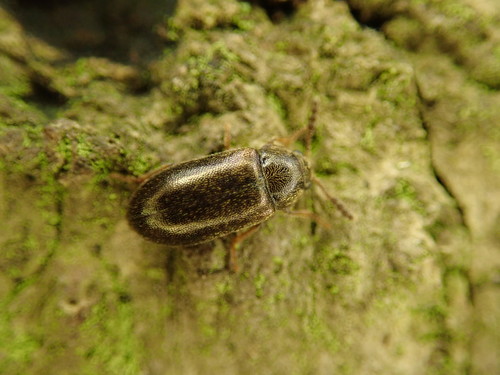
brun lövsvampbagge
CRTetratoma desmarestii
Tetratoma desmarestii is critically endangered primarily due to the loss and degradation of old-growth deciduous forests, particularly those containing its host fungi on dead and decaying hardwood trees. The species requires very specific microhabitat conditions found only in mature forest ecosystems with sufficient dead wood and fungal diversity, which have become increasingly rare due to intensive forestry practices and habitat fragmentation.
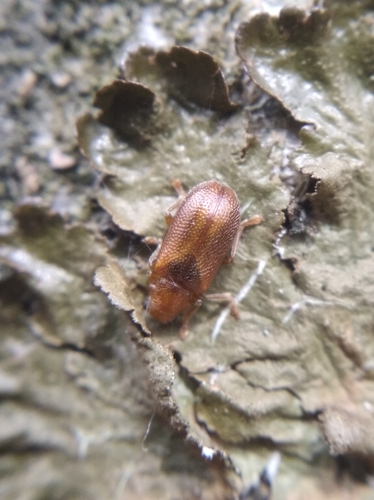
brun minerarbagge
CRZeugophora turneri
Zeugophora turneri, the brun minerarbagge, is critically endangered primarily due to habitat loss and degradation of its specialized host plant environments. This beetle species has extremely limited distribution and depends on specific plant species for survival, making it highly vulnerable to environmental changes and human activities that alter its narrow ecological niche.
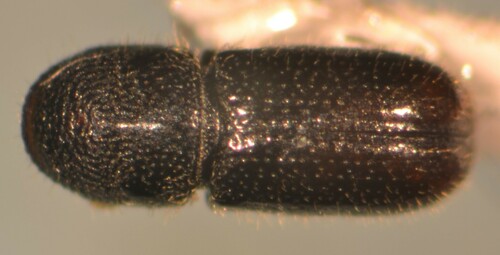
brun tallgrenborre
VUPityophthorus lichtensteini
The brun tallgrenborre faces significant threats from forest fragmentation and habitat loss due to logging and land conversion in its native coniferous forest range. Climate change poses additional risks by altering forest composition and increasing the frequency of droughts and wildfires that can devastate both the beetle populations and their host trees.

brun tibastmal
CRAnchinia cristalis
The brun tibastmal faces severe population declines due to extensive deforestation and habitat fragmentation across its limited range. Climate change is altering precipitation patterns in its specialized montane forest habitat, while invasive species compete for resources and disrupt ecosystem balance.
brun trädsavblomfluga
VUBrachyopa cinerea
Brachyopa cinerea faces significant threats from habitat loss and degradation of the mature deciduous and mixed forests it depends on for breeding and larval development. Climate change and forest fragmentation further compound these pressures by reducing the availability of suitable microhabitats and disrupting the delicate ecological relationships this specialized hoverfly requires.

Brunlig koralpig
VUHydnocristella himantia
Brunlig koralpig faces significant threats from habitat degradation and climate change impacts on marine ecosystems. Ocean acidification and warming temperatures are altering the coral reef and rocky substrate environments this species depends on, while coastal development and pollution further compromise its specialized habitat requirements.
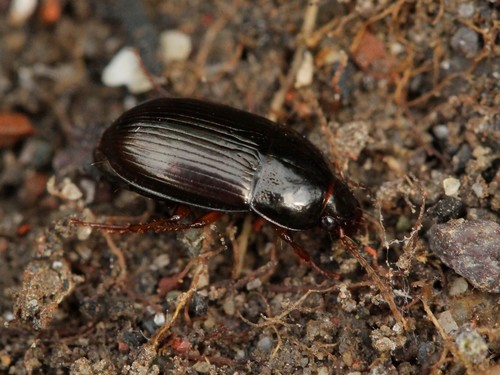
Brunlig ovalløber
CRAmara brunnea
Amara brunnea faces severe population decline primarily due to habitat loss and degradation of its specialized coastal and sandy environments. Agricultural intensification, urban development, and changes in land management practices have significantly reduced the availability of suitable breeding and foraging habitats for this ground beetle species.
Brunskællet bæltekugle
ENDaldinia lloydii
Daldinia lloydii faces significant threats from habitat loss due to deforestation and degradation of its specialized woodland environments. The species' dependence on specific host trees and dead wood substrates makes it particularly vulnerable to forest management practices that remove decaying material and alter natural forest succession processes.

brunskaftad blekspik
VUSclerophora farinacea
Brunskaftad blekspik faces significant threats from habitat degradation and loss of suitable substrate trees due to forestry practices and urban development. Air pollution and acid rain have reduced the availability of appropriate bark surfaces with the specific chemical conditions this lichen requires for growth and reproduction.
brunspetsad fibbla
ENHieracium acrogymnon
Climate change poses the primary threat to this species as warming temperatures force it to retreat to increasingly limited high-elevation refugia. Additional pressures include trampling from recreational activities in alpine areas and competition from invasive plant species that are expanding their range upward due to changing climatic conditions.

Brussels Lace
VUCleorodes lichenaria
Brussels Lace faces significant threats from habitat loss due to urbanization and agricultural expansion, which has reduced the availability of its preferred lichen-rich woodland environments. Climate change is altering the delicate balance of moisture and temperature conditions required for both the species and its lichen food sources, while air pollution continues to degrade lichen communities that this moth depends upon for survival.