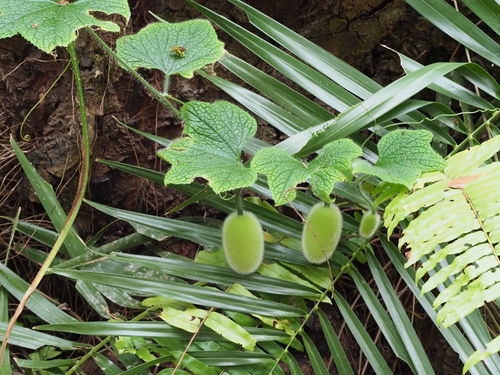
Peponium vogelii
Photo: iNaturalist: (c) breslauer, some rights reserved (CC BY-NC), uploaded by breslauer
Overview
The bosuku (Peponium vogelii) is a critically endangered climbing vine endemic to West African rainforests, characterized by its distinctive heart-shaped leaves with silver venation and small, fragrant white flowers that bloom in dense clusters. This species plays a crucial ecological role as a pollinator magnet for forest insects and provides essential nesting materials for several bird species through its fibrous bark.
Peponium vogelii faces severe population decline primarily due to habitat destruction from agricultural expansion and logging activities across its limited range in West Africa. The species' restricted distribution makes it particularly vulnerable to localized threats, while collection pressure for traditional uses has further reduced wild populations.
Habitat
Bosuku thrives in the understory of primary lowland rainforests between 200-800 meters elevation, where it climbs along riverbanks and forest edges with consistent moisture and filtered sunlight. The species requires specific host trees from the Fabaceae family for optimal growth and is particularly associated with areas where seasonal flooding creates nutrient-rich alluvial soils.
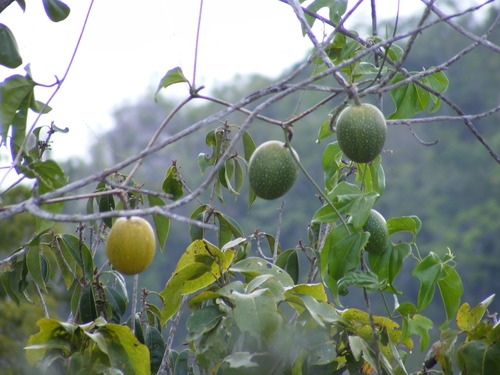
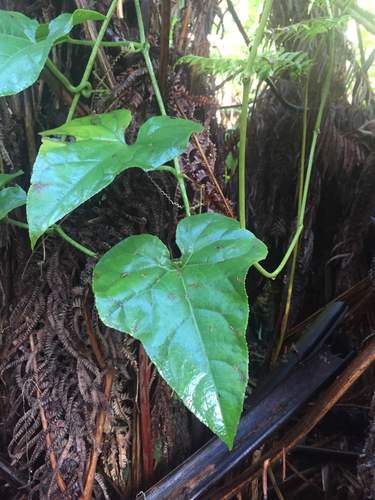
Other threatened species in Cucurbitaceae
Threatened in Angola



Frequently asked questions
Why is Peponium vogelii classified as Critically Endangered?
Where does Peponium vogelii live?
What are the main threats to Peponium vogelii?
Get weekly conservation intelligence
One short digest a week of the most striking species and country data we ship, plus breaking conservation news paired with our database where it matters.
Free, no spam. One-click unsubscribe in every email.