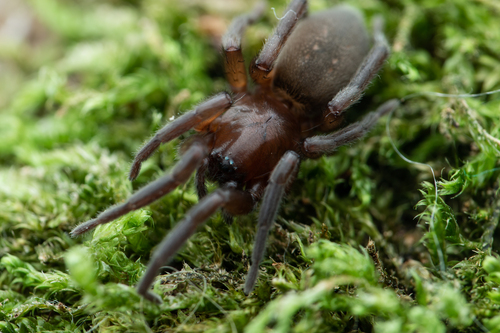
Haplodrassus silvestris
Photo: iNaturalist: (c) Frederik Leck Fischer, all rights reserved, uploaded by Frederik Leck Fischer
Overview
Haplodrassus silvestris, commonly known as the forest ground spider or bosmuisspin, is a small nocturnal hunting spider with a dark brown to blackish prosoma and lighter brown abdomen marked with subtle chevron patterns. This ground-dwelling arachnid plays a crucial ecological role as both predator of small arthropods and prey for larger invertebrates and small vertebrates in forest ecosystems.
Haplodrassus silvestris faces severe population declines primarily due to habitat loss from deforestation and agricultural conversion of its forest habitats. The species' limited distribution and specialized habitat requirements make it particularly vulnerable to environmental changes and human disturbance.
Habitat
This spider inhabits the leaf litter layer and upper soil horizons of mature deciduous and mixed forests, particularly favoring areas with dense canopy cover that maintain consistent moisture levels. It constructs silk-lined retreats under fallen logs, bark, and among decomposing organic matter on the forest floor.
Other threatened species in Gnaphosidae
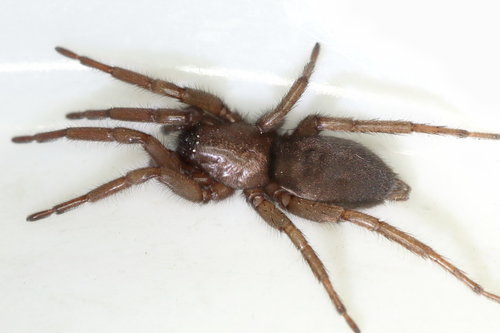
Threatened in Austria
Frequently asked questions
Why is Haplodrassus silvestris classified as Endangered?
Where does Haplodrassus silvestris live?
What are the main threats to Haplodrassus silvestris?
Get weekly conservation intelligence
One short digest a week of the most striking species and country data we ship, plus breaking conservation news paired with our database where it matters.
Free, no spam. One-click unsubscribe in every email.