
Aradus lugubris
Photo: Wikimedia Commons (CC) via https://en.wikipedia.org/wiki/Aradus_lugubris
Overview
Aradus lugubris is a species of flat bug in the family Aradidae. It is found in Europe and Northern Asia and North America.
Aradus lugubris faces significant threats primarily due to habitat loss and degradation of its specialized bark-dwelling environments. Climate change and forest fragmentation are reducing the availability of suitable host trees, while pollution and pesticide use in forestry practices further compromise population stability.
Habitat
This species inhabits the bark crevices and surfaces of deciduous and mixed forests, particularly favoring older trees with rough bark textures. It is typically found in temperate woodland environments where it feeds on fungi and organic matter within the bark ecosystem.
Other threatened species in Aradidae
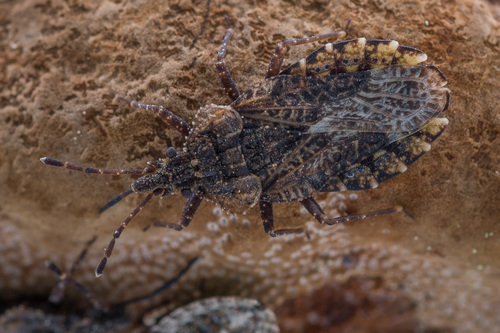
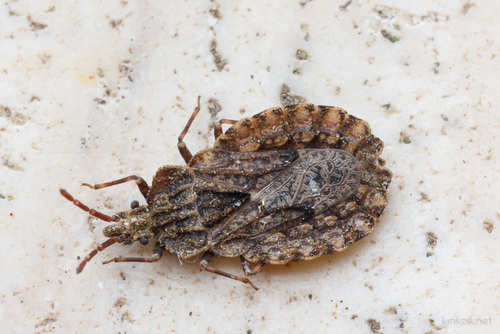
Threatened in Åland Islands

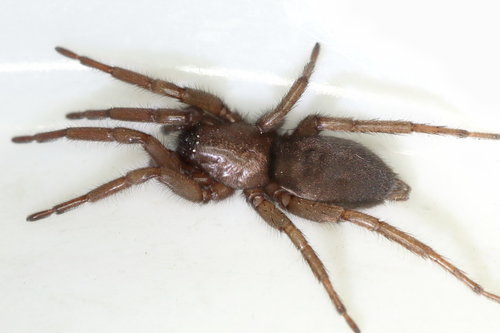

Frequently asked questions
Why is Aradus lugubris classified as Vulnerable?
Where does Aradus lugubris live?
What are the main threats to Aradus lugubris?
Get weekly conservation intelligence
One short digest a week of the most striking species and country data we ship, plus breaking conservation news paired with our database where it matters.
Free, no spam. One-click unsubscribe in every email.