Species Explorer
Browse and search species from the IUCN Red List and GBIF.
54,666 species

Brussels riverbank ground beetle
VUBembidion bruxellense
The Brussels riverbank ground beetle faces significant threats from urban development and habitat degradation along European riverbanks and wetland margins. Pollution of waterways, channelization of rivers, and loss of natural riparian vegetation have severely reduced suitable habitat for this specialized species. Climate change may further impact the hydrological conditions this beetle depends on for survival.

bryggkantlav
VULecanora orae-frigidae
Bryggkantlav faces significant threats from climate change, as rising temperatures and altered precipitation patterns in Arctic and subarctic regions directly impact the specific microclimate conditions this lichen requires. Coastal development and human disturbance in its specialized maritime habitats further threaten remaining populations, while air pollution can severely affect lichen growth and reproduction.

Buckthorn Conch
ENPhtheochroa sodaliana
Primary threats to the Buckthorn Conch include habitat fragmentation due to urban development and agricultural expansion, which has significantly reduced the availability of suitable microhabitats. Additionally, climate change-induced alterations in moisture patterns and increased frequency of extreme weather events are disrupting the delicate environmental conditions this species requires for reproduction and survival.
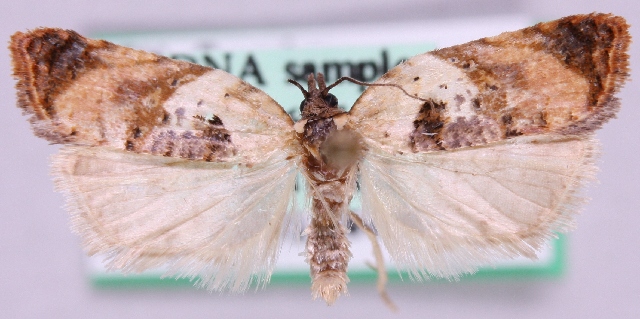
Buff Button
VUAcleris permutana
The Buff Button (Acleris permutana) faces significant threats from habitat loss and degradation due to agricultural intensification and urban development across its range. Climate change poses additional risks by altering the phenology of its host plants and disrupting synchronized life cycles. Pesticide use in agricultural areas further threatens local populations of this moth species.
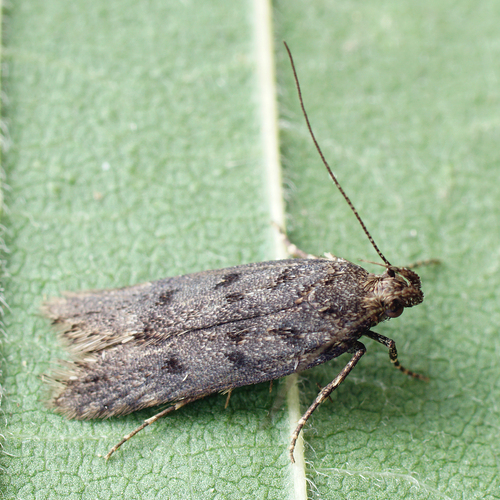
Buff Groundling
VUProlita solutella
The Buff Groundling faces significant threats from habitat loss due to agricultural expansion and urban development across its range. Climate change is altering the microclimatic conditions of its specialized grassland and heathland habitats, while pesticide use in agricultural areas reduces prey availability and may cause direct mortality.
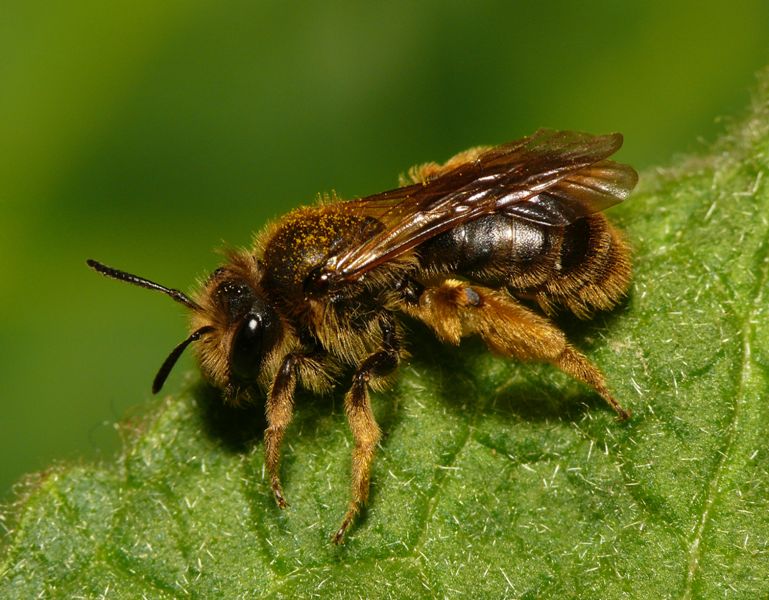
Buff-tailed Mining Bee
VUAndrena humilis
The Buff-tailed Mining Bee faces significant threats from habitat loss due to agricultural intensification and urban development, which eliminates the sandy soils and wildflower meadows essential for nesting and foraging. Climate change and widespread pesticide use further compound these pressures, disrupting the bee's reproductive cycles and reducing available food sources.

Buff-throated Tody-tyrant
VUHemitriccus rufigularis
The Buff-throated Tody-tyrant faces significant pressure from habitat loss and fragmentation due to deforestation and agricultural expansion throughout its range in South American montane forests. Climate change poses additional risks by altering the temperature and precipitation patterns of the specific elevational zones this species requires. The species' restricted range and specialized habitat requirements make it particularly vulnerable to these ongoing environmental pressures.
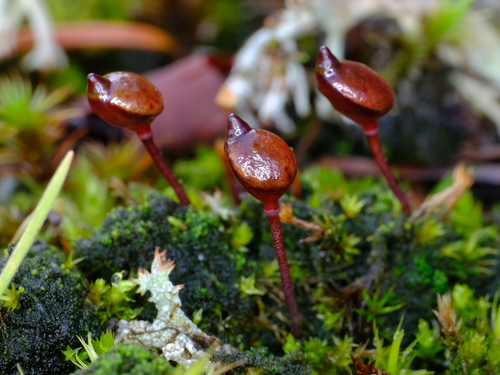
Bug-on-a-stick
VUBuxbaumia aphylla
Bug-on-a-stick faces significant threats from habitat loss due to deforestation and forest fragmentation, which reduces the availability of suitable decaying wood substrates essential for its survival. Climate change and air pollution further compromise this moss species by altering forest conditions and reducing air quality in its specialized microhabitats.

Bugle Marble
VUEndothenia ustulana
The Bugle Marble faces significant threats from habitat loss and degradation due to agricultural intensification and urban development across its range. Climate change poses additional risks by altering the distribution and phenology of its host plants, while pesticide use in agricultural areas directly impacts both the species and its food sources.

Bull-headed Sweat Bee
ENLasioglossum zonulum
The Bull-headed Sweat Bee faces severe population declines primarily due to habitat loss from urban development and agricultural intensification in its limited range. Climate change and the use of pesticides in agricultural areas further threaten the remaining populations of this specialized bee species.
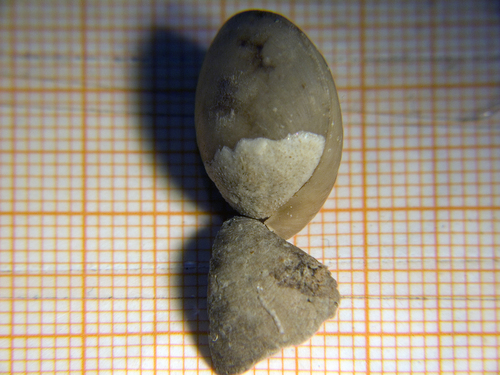
bulldogskjell
CRMacandrevia cranium
The bulldogskjell (Macandrevia cranium) faces severe population decline primarily due to deep-sea trawling activities that destroy its fragile cold-water coral reef habitat. Climate change-induced ocean acidification and warming temperatures further threaten the species by degrading the calcium carbonate structures it depends on for survival. The species' extremely limited range and slow reproductive rate make recovery particularly challenging.

Bultige kogelzwam
VUEntoleuca mammata
Bultige kogelzwam faces significant threats from habitat degradation and loss of suitable host trees due to deforestation, urban development, and intensive forest management practices. Climate change may also be altering the moisture and temperature conditions this fungus requires for successful reproduction and survival.
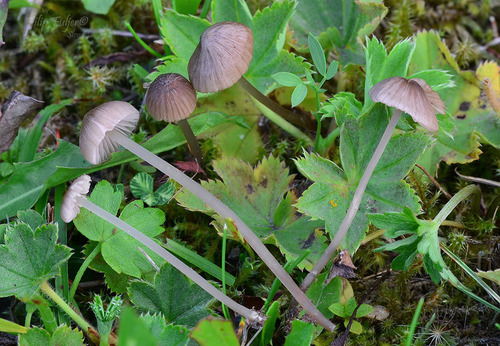
Buntgestreifter Glöckling
VUEntoloma cocles
Buntgestreifter Glöckling faces significant threats from habitat degradation and loss of suitable forest ecosystems across its range. Climate change and altered precipitation patterns are affecting the delicate moisture conditions required for this fungal species to fruit and reproduce successfully.

Bupreste paresseux
CRZabrus tenebrioides
Zabrus tenebrioides faces severe population decline primarily due to habitat loss from agricultural intensification and urbanization in its limited Mediterranean range. The species' specialized ecological requirements and restricted distribution make it particularly vulnerable to environmental changes and human disturbance.
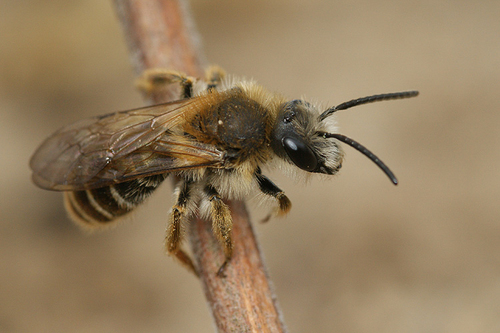
Burbage Mining Bee
VUAndrena lathyri
The Burbage Mining Bee faces significant threats from habitat loss and degradation due to agricultural intensification and urban development in its specialized coastal and heathland environments. Climate change poses additional risks by altering the flowering patterns of its preferred host plants and shifting suitable habitat zones, while the species' narrow ecological requirements make it particularly vulnerable to environmental changes.
Burdur Toothcarp
ENAphanius sureyanus
The Burdur Toothcarp is critically threatened by severe habitat degradation and water level fluctuations in its single known location, Lake Burdur in Turkey. The species faces imminent extinction risk due to increasing salinity levels, pollution from agricultural runoff, and climate change-induced drought conditions that have dramatically reduced the lake's water volume.
Bure Long-legged Fly
VUDolichopus nigripes
The Bure Long-legged Fly faces significant threats from habitat degradation and loss of suitable wetland environments essential for its survival. Agricultural intensification, urban development, and water pollution in its limited range have reduced the quality and availability of the moist substrates and aquatic margins this species requires for breeding and foraging.
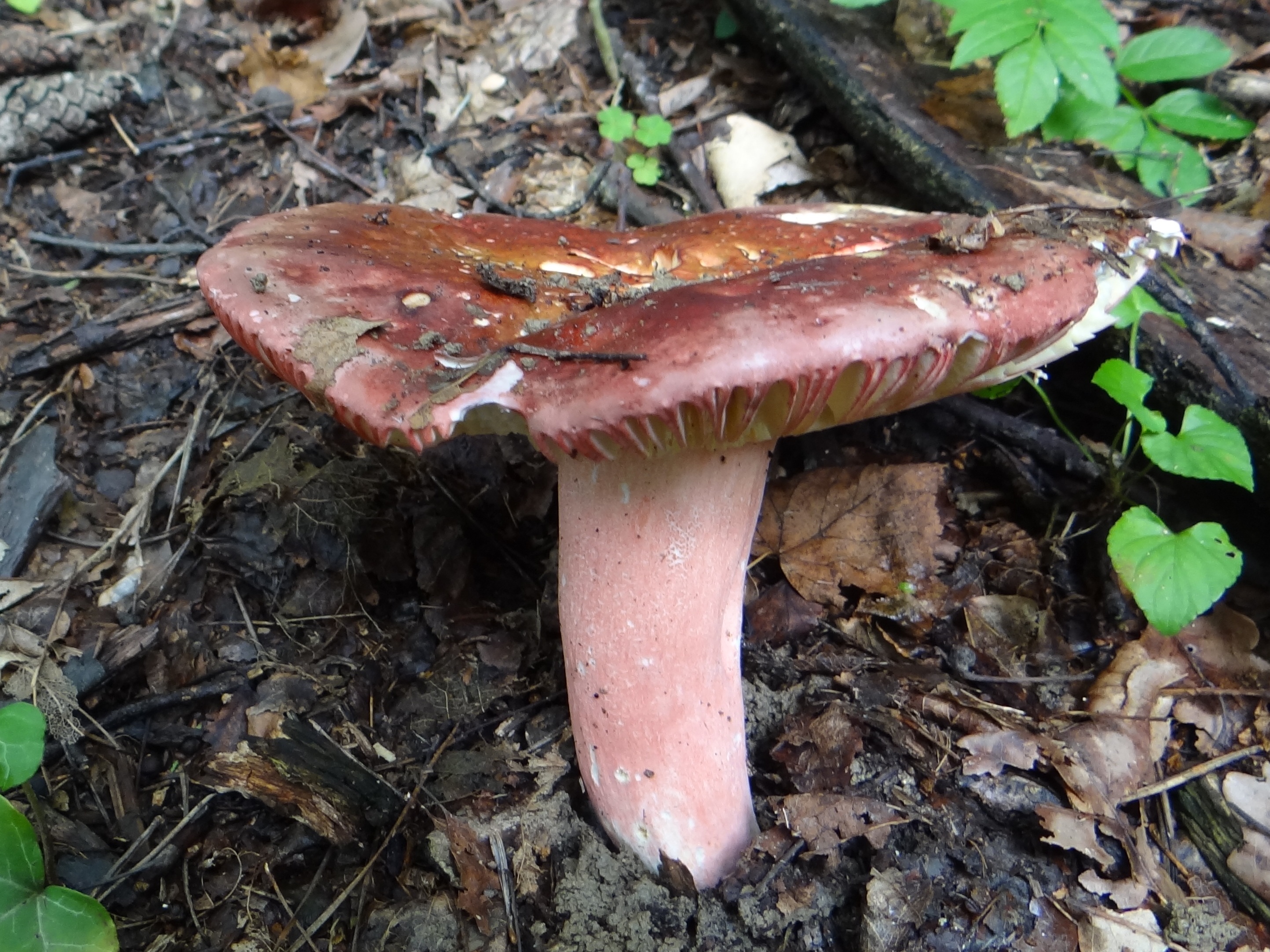
Burning Brittlegill
ENRussula badia
The Burning Brittlegill faces severe decline primarily due to habitat loss from deforestation and land conversion in its limited range. Climate change and pollution further threaten the specific forest conditions this mycorrhizal fungus requires to survive.

Burnt Orchid
CRNeotinea ustulata
The Burnt Orchid faces severe population declines primarily due to habitat loss and degradation of its specialized grassland ecosystems. Agricultural intensification, urban development, and changes in traditional land management practices have eliminated or fragmented the calcareous grasslands this species requires. Climate change and reduced grazing pressure further threaten the delicate ecological balance needed for this orchid's survival.
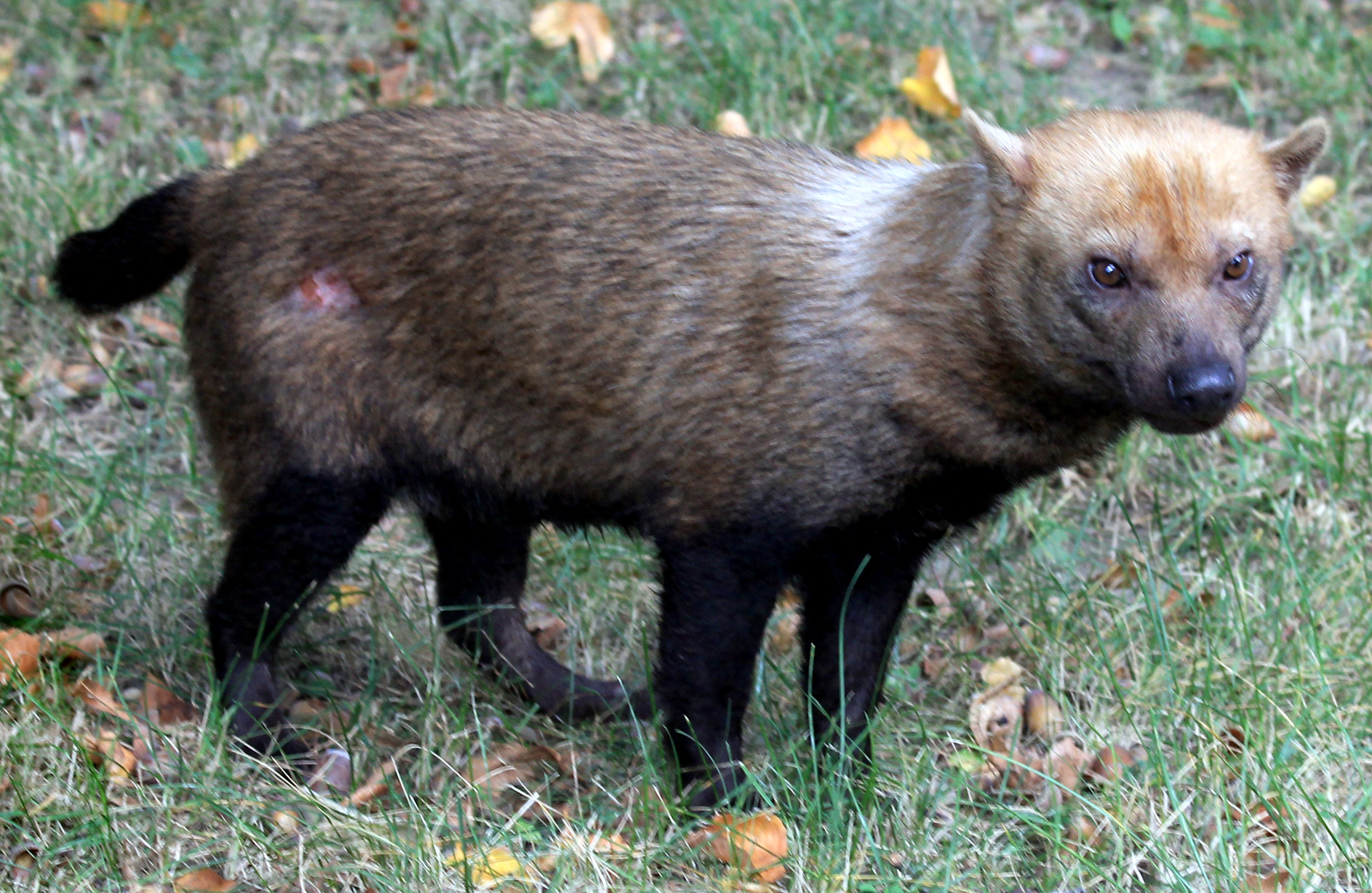
Bush Dog
VUSpeothos venaticus
The Bush Dog faces significant threats from habitat loss and fragmentation due to deforestation, agricultural expansion, and human development across its range in South American forests and wetlands. Its naturally low population densities and elusive nature make it particularly vulnerable to habitat disruption, while hunting pressure and competition with domestic dogs further threaten remaining populations.

Bush Vetch
VUVicia sepium
Bush Vetch faces significant pressure from habitat loss due to agricultural intensification and conversion of traditional grasslands and meadows to monoculture farming systems. The species is particularly vulnerable to changes in land management practices, including reduced grazing regimes and increased use of herbicides, which eliminate the semi-natural habitats it depends upon.
butoye
VULeplaea mayombensis
Leplaea mayombensis faces significant pressure from deforestation and habitat fragmentation across its limited range in Central Africa's Mayombe forest region. Commercial logging, agricultural expansion, and infrastructure development continue to reduce and fragment the species' forest habitat, while its restricted distribution makes it particularly vulnerable to localized threats.

cabbage on a stick
CRBrighamia insignis
Brighamia insignis faces extinction primarily due to the loss of its native pollinators and extremely limited habitat on Hawaiian sea cliffs. The species has declined to critically low numbers in the wild, with fewer than 120 individuals remaining, and now requires hand-pollination by humans to reproduce successfully.

Cactus Coral
VUPavona decussata
Cactus Coral faces significant threats from climate change-induced ocean warming and acidification, which cause coral bleaching and reduce calcification rates essential for skeletal growth. Coastal development, pollution, and destructive fishing practices further degrade the shallow reef environments where this species thrives, contributing to its vulnerable status.
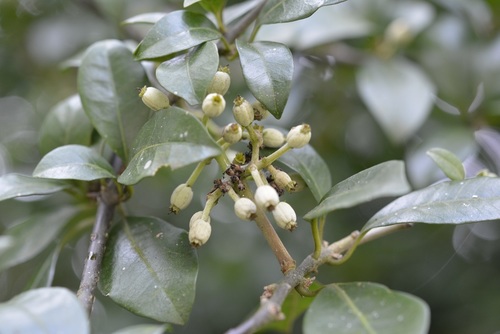
Cagalero
VUPisonia donnellsmithii
Cagalero faces significant threats from habitat loss due to deforestation and agricultural expansion throughout its range in Central America. Coastal development and urbanization have fragmented its natural habitat, while climate change poses additional risks to its specialized ecological requirements.
caimito-do-paraná
VUChrysophyllum paranaense
Caimito-do-paraná faces significant threats from habitat loss and fragmentation due to agricultural expansion and urban development throughout its native range in the Atlantic Forest region. The species' limited distribution and specialized habitat requirements make it particularly vulnerable to ongoing deforestation pressures and climate change impacts.
Caimo Trapichero
VUPouteria collina
Caimo Trapichero faces significant pressure from deforestation and habitat conversion for agriculture and urban development across its range in Central and South America. The species' restricted distribution and dependence on specific forest ecosystems makes it particularly vulnerable to ongoing habitat fragmentation and degradation.
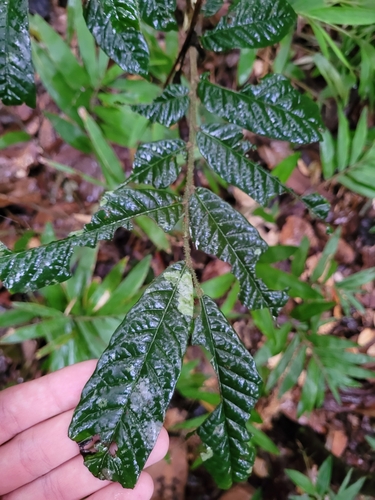
Caixão-preto
VUTrichilia ramalhoi
Caixão-preto (Trichilia ramalhoi) faces significant threats from habitat loss and fragmentation due to deforestation and agricultural expansion within its limited range in Brazil's Atlantic Forest region. The species' restricted distribution makes it particularly vulnerable to localized threats, while ongoing forest conversion for cattle ranching and urban development continues to reduce available habitat.
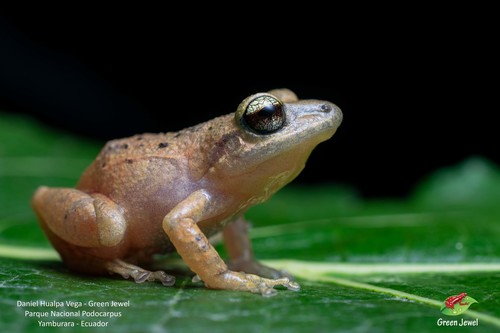
Cajamarca Robber Frog
VUPristimantis cajamarcensis
The Cajamarca Robber Frog faces significant threats from habitat destruction due to agricultural expansion and mining activities in Peru's northern highlands. Its restricted range in the Cajamarca region makes it particularly vulnerable to localized environmental changes and human development pressures.
Calabrian Gold Grasshopper
CRChrysochraon bey-bienkoi
The Calabrian Gold Grasshopper faces severe threats from habitat loss and degradation due to agricultural intensification and urban development in its extremely limited range in southern Italy. Climate change poses additional risks to this endemic species, which is restricted to specific microhabitats with particular vegetation and climatic requirements.

Calayan Rail
VUGallirallus calayanensis
The Calayan Rail faces significant threats due to its extremely restricted range, being endemic to a single small island in the Philippines. Habitat degradation from human activities, introduced predators, and the species' naturally small population size make it particularly vulnerable to extinction. Its limited distribution means that any local threats could impact the entire global population.

Callilepis noctambule
VUCallilepis nocturna
Callilepis nocturna faces significant threats from habitat loss and degradation due to agricultural expansion and urbanization across its range. The species' specialized nocturnal hunting behavior and specific habitat requirements make it particularly vulnerable to environmental changes and fragmentation of suitable ecosystems.

Calosome à points dorés
CRCalosoma auropunctatum
Calosoma auropunctatum faces severe population decline primarily due to habitat loss and degradation of its specialized forest ecosystems. Agricultural expansion, urbanization, and forest fragmentation have significantly reduced suitable habitat for this ground beetle species. Climate change may also be affecting the availability of its prey species and altering forest conditions.

Calyptre du Pigamon (La)
ENCalyptra thalictri
Calyptra thalictri faces severe population declines primarily due to habitat loss from agricultural expansion and urbanization across its European range. Climate change is altering the distribution and phenology of its host plants, particularly Thalictrum species, disrupting the moth's reproductive cycle and larval development.
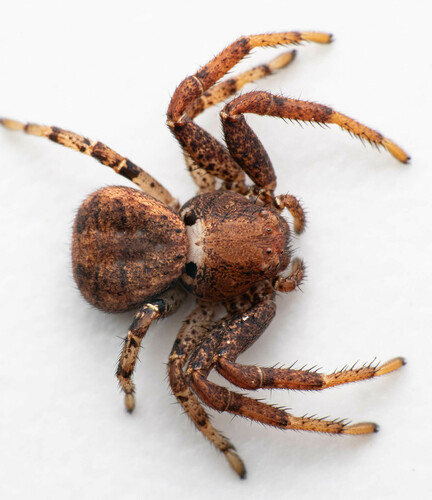
cambridges krabspin
VUXysticus luctator
The Cambridge krabspin spider faces significant threats from habitat degradation and fragmentation of its specialized microhabitats. Climate change and agricultural intensification are reducing the availability of suitable hunting grounds and web-building sites, while urbanization continues to fragment remaining populations across its range.

Campion Groundling
ENCaryocolum viscariella
The Campion Groundling is declining primarily due to habitat loss and degradation of its specialized coastal environments. Climate change and sea level rise pose additional threats to its restricted range, while coastal development continues to fragment remaining suitable habitat.
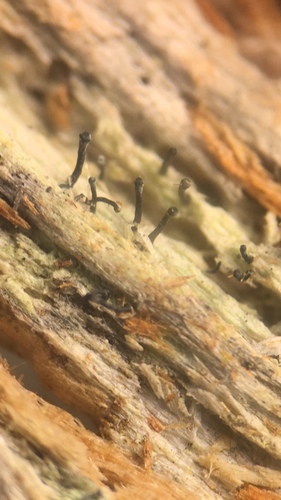
Candle-wax Stubble Lichen
ENCalicium lenticulare
Candle-wax Stubble Lichen is primarily threatened by habitat loss and degradation due to deforestation, air pollution, and climate change affecting its specialized substrate requirements. The species is particularly vulnerable to changes in forest management practices and atmospheric conditions that alter the chemistry and availability of suitable bark surfaces on old-growth trees.

Candy Lichen
CRIcmadophila ericetorum
Candy Lichen (Icmadophila ericetorum) is critically endangered primarily due to habitat loss and degradation of its specialized acidic soil environments in heathlands and moorlands. Air pollution, particularly nitrogen deposition and acid rain, has severely altered the chemical composition of soils that this species requires for survival. Climate change is further exacerbating these threats by altering precipitation patterns and temperature regimes in its remaining habitats.
canelinha
CRNectandra debilis
Nectandra debilis (canelinha) is critically endangered primarily due to severe habitat loss and fragmentation of Atlantic Forest ecosystems in Brazil. The species' extremely limited range and small population size make it highly vulnerable to ongoing deforestation, agricultural expansion, and urban development pressures.

Capillary Wing-moss
VUPterigynandrum filiforme
Capillary Wing-moss faces significant threats from habitat degradation and loss due to air pollution, acid rain, and climate change affecting the specific microhabitats it requires. The species is particularly vulnerable to changes in air quality and atmospheric conditions that alter the chemistry of its substrate, while deforestation and urbanization continue to reduce available habitat.
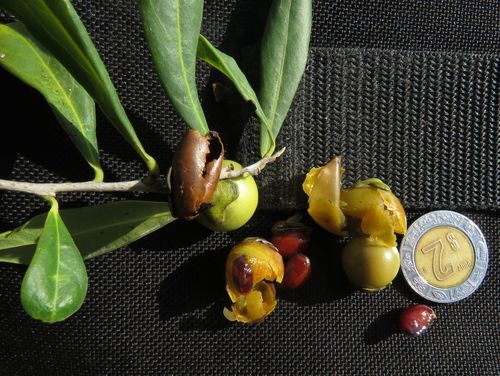
caqui-olho-de-boi
CRDiospyros tetrasperma
Diospyros tetrasperma faces severe population decline primarily due to extensive habitat loss from deforestation and agricultural expansion in its native Atlantic Forest range in Brazil. The species' extremely limited distribution and small population size make it highly vulnerable to local extinctions from human activities and environmental changes.

Carabe tressé
CRCarabus cancellatus
Carabus cancellatus faces severe population declines primarily due to habitat loss and fragmentation of its specialized forest and woodland environments. Agricultural intensification and urban development have significantly reduced suitable habitat, while climate change may be altering the cool, moist conditions this ground beetle requires.
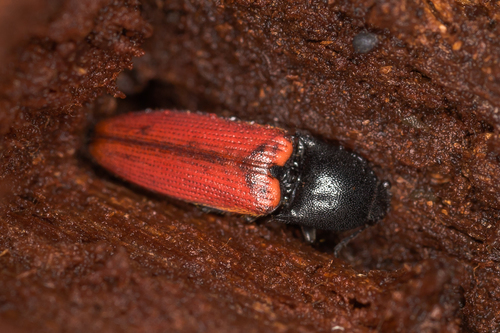
Cardinal Click Beetle
CRAmpedus cardinalis
The Cardinal Click Beetle faces severe population decline primarily due to habitat loss from deforestation and land conversion in its limited range. As a saproxylic species dependent on decaying wood in old-growth forests, it is particularly vulnerable to logging activities and forest fragmentation that eliminate the dead and dying trees essential for its larval development.
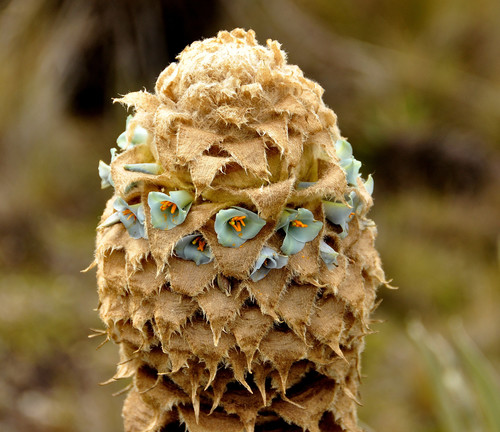
Cardón
VUPuya trianae
Puya trianae faces significant threats from habitat destruction due to agricultural expansion and urban development in Colombia's high-altitude ecosystems. Climate change poses additional risks by altering the specific temperature and moisture conditions required for this endemic bromeliad's survival. The species' restricted range and specialized habitat requirements make it particularly vulnerable to environmental changes.

Caribbean Dove
CRLeptotila jamaicensis
The Caribbean Dove faces severe population decline primarily due to extensive habitat loss from deforestation, agricultural expansion, and urban development across its limited range in Jamaica. Introduced predators, particularly cats and rats, pose additional threats to nesting birds and their eggs. The species' small population size and restricted distribution make it extremely vulnerable to environmental changes and human disturbances.

Caribbean reef shark
ENCarcharhinus perezii
The Caribbean reef shark faces severe population declines primarily due to intensive fishing pressure throughout its range, both as target species and bycatch in commercial and artisanal fisheries. Habitat degradation from coastal development, pollution, and climate change impacts on coral reef ecosystems further threaten this species, which has extremely limited dispersal ability and slow reproductive rates that make recovery difficult.

Caribbean royal palm
CRRoystonea oleracea
The Caribbean royal palm faces severe population decline primarily due to habitat destruction from urban development, agriculture, and coastal development throughout its native range in the Caribbean. Additional pressures include over-harvesting for ornamental use and climate change impacts such as increased hurricane intensity and sea level rise affecting coastal populations.
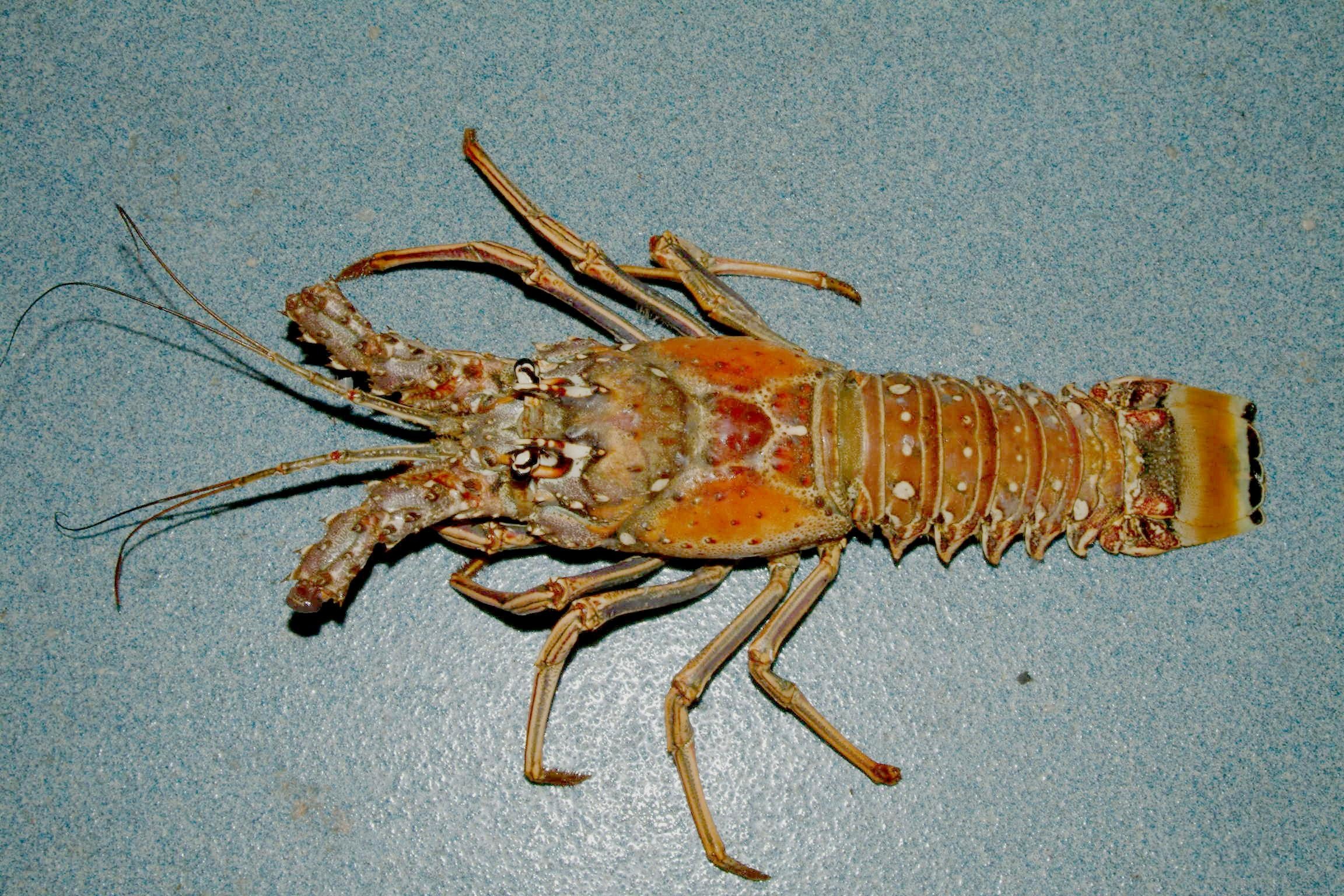
Caribbean Spiny Lobster
VUPanulirus argus
The Caribbean Spiny Lobster faces significant pressure from intensive commercial and recreational fishing throughout its range, leading to population declines in many areas. Habitat degradation from coastal development, pollution, and climate change impacts on coral reefs and seagrass beds further threaten this species. Conservation status may vary by region or assessment authority, but overexploitation remains the primary concern across most of its distribution.
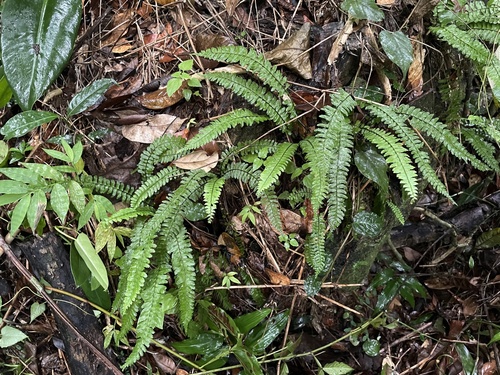
Caribbean spleenwort
VUAsplenium rhomboidale
Caribbean spleenwort faces significant threats from habitat destruction due to urban development and agricultural expansion across its limited Caribbean range. The species' restricted distribution makes it particularly vulnerable to environmental changes, while invasive plant species compete for suitable growing sites on rocky substrates and forest margins.

Carline Skipper
VUPyrgus carlinae
The Carline Skipper faces significant threats from habitat loss and fragmentation due to agricultural intensification and development in its montane grassland habitats. Climate change poses an additional risk by altering the alpine and subalpine conditions this specialized butterfly requires, potentially forcing populations to higher elevations with limited suitable habitat remaining.