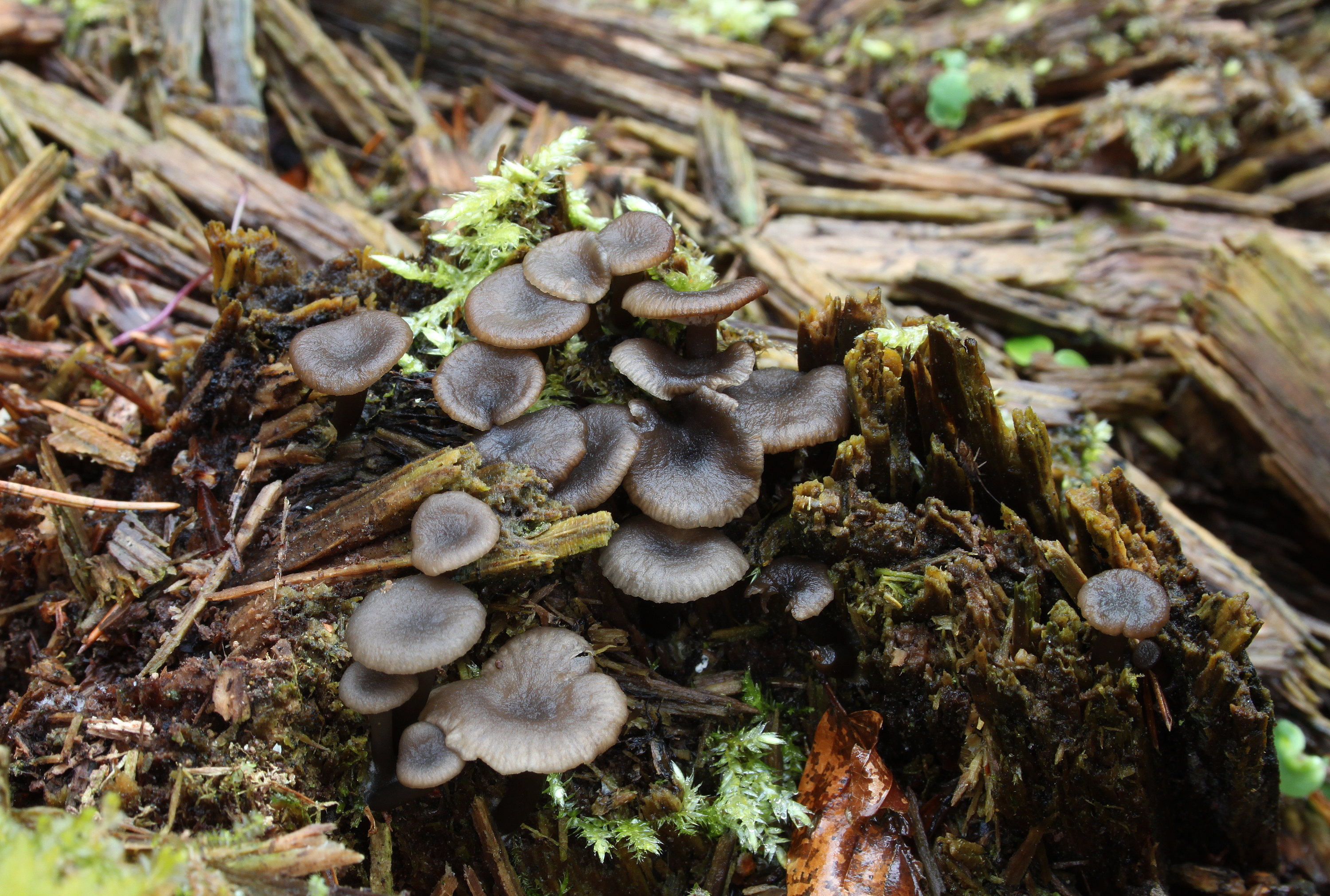
Brown Goblet
Arrhenia epichysium
Photo: Wikimedia Commons (CC) via https://en.wikipedia.org/wiki/Arrhenia_epichysium
Overview
The Brown Goblet (Arrhenia epichysium) is a small, delicate fungus characterized by its distinctive goblet or cup-shaped fruiting bodies with brownish coloration. This saprophytic species plays a crucial ecological role in decomposing organic matter, particularly in association with mosses and decaying plant material in specialized microhabitats.
The Brown Goblet (Arrhenia epichysium) is declining primarily due to habitat loss and degradation of its specialized moss-rich environments. Climate change and atmospheric pollution are altering the delicate moisture and chemical conditions required for both the fungus and its moss substrates to survive.
Habitat
Brown Goblet fungi inhabit moss-covered soil, rotting logs, and decaying organic matter in damp, shaded environments such as old-growth forests and undisturbed woodland edges. They are particularly associated with bryophyte communities in areas with consistent moisture and minimal soil disturbance.
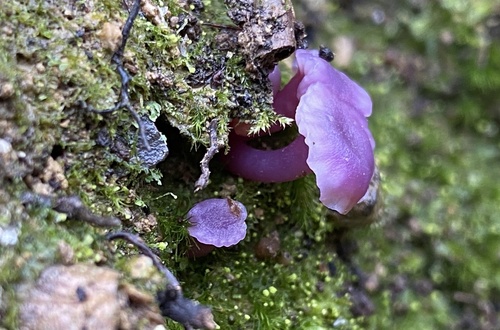
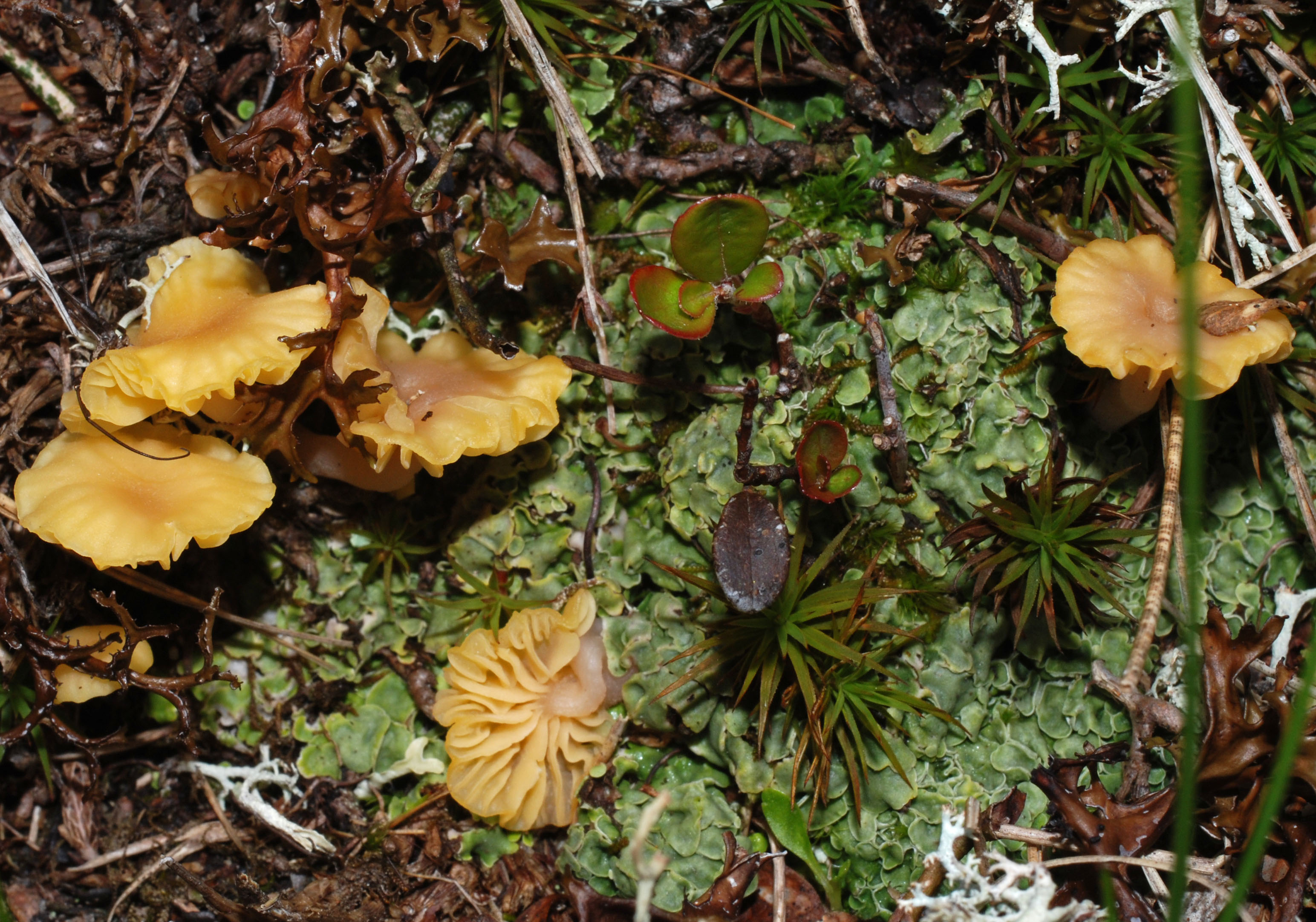
Other threatened species in Hygrophoraceae

Frequently asked questions
Why is Brown Goblet classified as Endangered?
Where does Brown Goblet live?
What are the main threats to Brown Goblet?
Get weekly conservation intelligence
One short digest a week of the most striking species and country data we ship, plus breaking conservation news paired with our database where it matters.
Free, no spam. One-click unsubscribe in every email.