
Brownblack Cobweb Weaver
Crustulina sticta
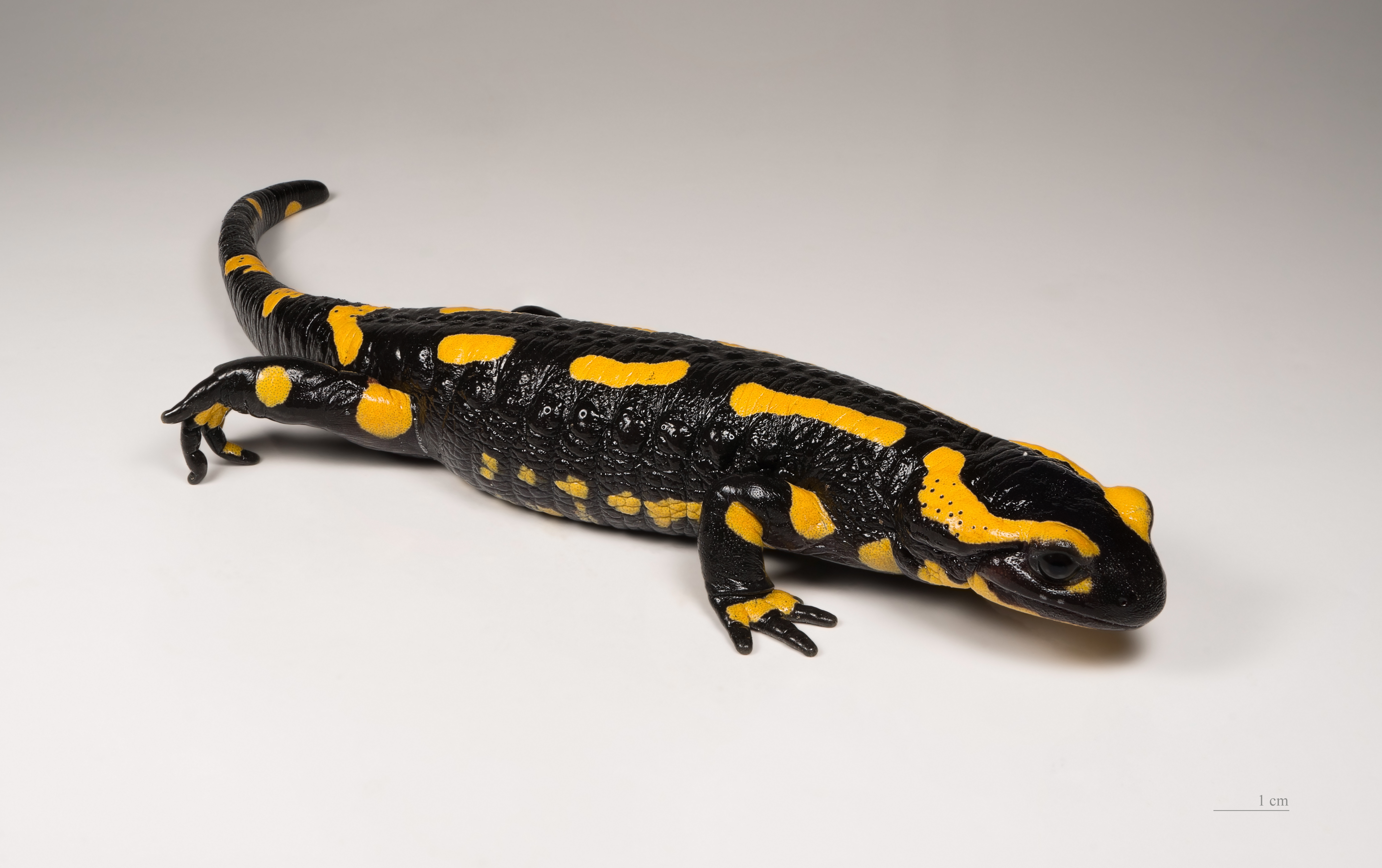
Photo: Wikimedia Commons (CC) via https://en.wikipedia.org/wiki/Crustulina_sticta
Overview
Crustulina sticta is a species of cobweb spider in the family Theridiidae. It is found in North America, Europe, Turkey, Caucasus, a range from Russia, Kazakhstan, China, Korea, and Japan.
Crustulina sticta, the brun knotterspindel, faces severe population decline primarily due to habitat loss and fragmentation of its specialized woodland environments. The species' extremely limited distribution and small population size make it particularly vulnerable to environmental changes and human disturbance. Climate change and altered forest management practices further threaten the specific microhabitat conditions this spider requires for survival.
Other threatened species in Theridiidae


Threatened in Belgium

Frequently asked questions
Why is Brownblack Cobweb Weaver classified as Critically Endangered?
Where does Brownblack Cobweb Weaver live?
What are the main threats to Brownblack Cobweb Weaver?
Get weekly conservation intelligence
One short digest a week of the most striking species and country data we ship, plus breaking conservation news paired with our database where it matters.
Free, no spam. One-click unsubscribe in every email.