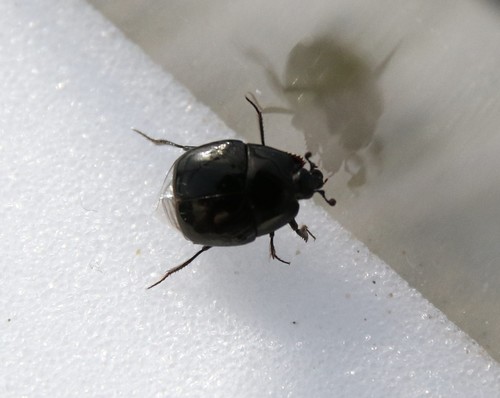
Saprinus planiusculus
Photo: iNaturalist: (c) caprimulgus_psilocinus, some rights reserved (CC BY-NC)
Overview
The bronsstumpbagge (Saprinus planiusculus) is a small, metallic bronze-colored carrion beetle with a distinctively flattened body that allows it to navigate beneath decomposing organic matter. This specialized scavenger plays a crucial ecological role in nutrient cycling by breaking down dead animal tissue and accelerating decomposition processes in its ecosystem.
Saprinus planiusculus faces severe population decline primarily due to habitat loss and degradation of its specialized dung beetle ecosystem requirements. The species' dependence on specific carrion and dung resources makes it particularly vulnerable to changes in livestock management practices and agricultural intensification.
Habitat
This species inhabits open grasslands, agricultural pastures, and woodland edges where large mammal carcasses are naturally present. They require areas with sufficient carrion resources and loose, well-drained soils suitable for their larval development stages.
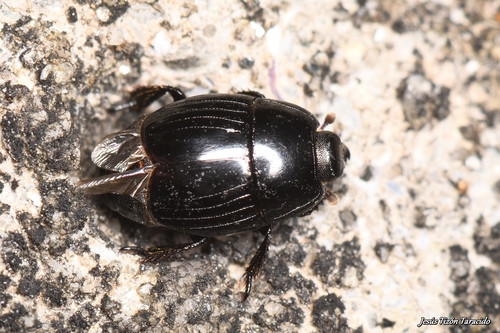
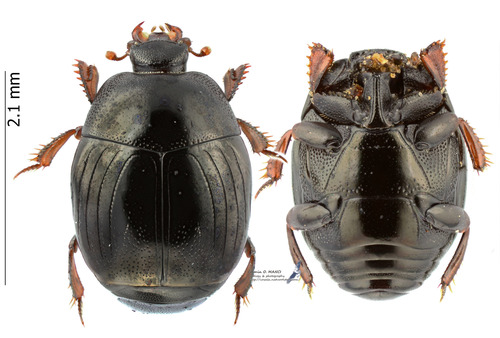
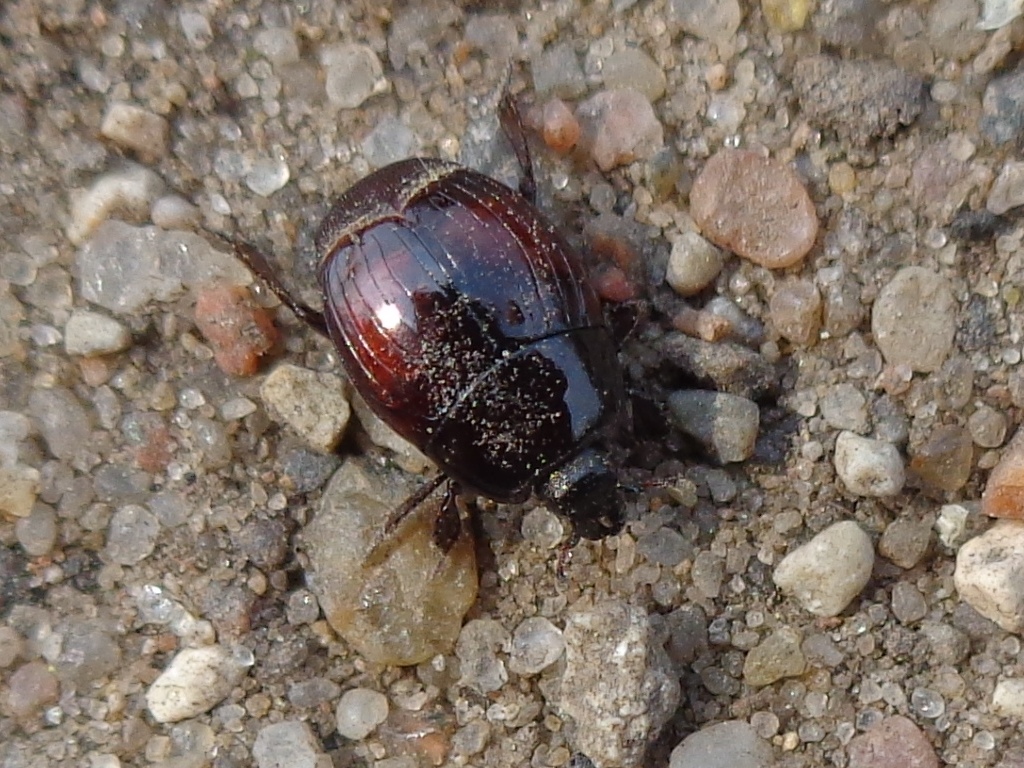
Other threatened species in Histeridae
Frequently asked questions
Why is Saprinus planiusculus classified as Critically Endangered?
Where does Saprinus planiusculus live?
What are the main threats to Saprinus planiusculus?
Get weekly conservation intelligence
One short digest a week of the most striking species and country data we ship, plus breaking conservation news paired with our database where it matters.
Free, no spam. One-click unsubscribe in every email.