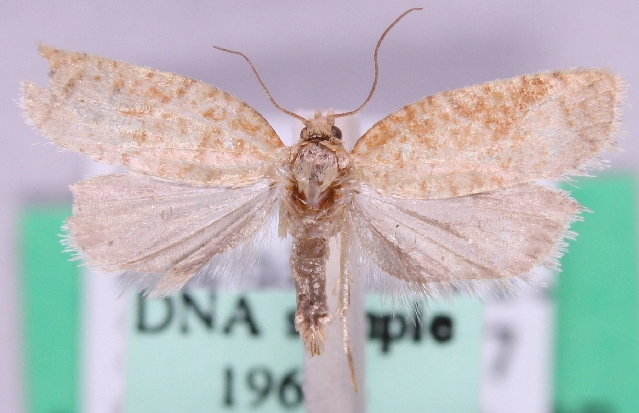
Acleris quercinana
Photo: Wikimedia Commons (CC) via https://en.wikipedia.org/wiki/Acleris_quercinana
Overview
Acleris quercinana is a species of moth of the family Tortricidae. It was described by Zeller in 1849. It is found in most of Europe, Asia Minor and Iran.
The brun ekvårvecklare (Acleris quercinana) is declining primarily due to habitat loss and fragmentation of oak woodlands, particularly ancient oak forests that support its specialized lifecycle. Climate change and forest management practices that favor younger tree stands over mature oak habitats further threaten this species' survival.
Habitat
Other threatened species in Tortricidae


Threatened in Austria
Frequently asked questions
Why is Acleris quercinana classified as Endangered?
Where does Acleris quercinana live?
What are the main threats to Acleris quercinana?
Get weekly conservation intelligence
One short digest a week of the most striking species and country data we ship, plus breaking conservation news paired with our database where it matters.
Free, no spam. One-click unsubscribe in every email.