Hieracium acrogymnon
Overview
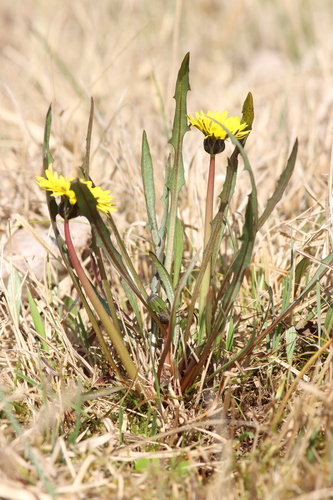
The brunspetsad fibbla (Hieracium acrogymnon) is a rare alpine hawkweed species characterized by its distinctive bronze-tinted leaves and compact yellow flower heads that bloom in late summer. This perennial herb plays a crucial role in high-altitude ecosystems by providing nectar for specialized alpine pollinators and helping stabilize rocky soil substrates with its deep taproot system.
Climate change poses the primary threat to this species as warming temperatures force it to retreat to increasingly limited high-elevation refugia. Additional pressures include trampling from recreational activities in alpine areas and competition from invasive plant species that are expanding their range upward due to changing climatic conditions.
Habitat
This species inhabits exposed rocky ledges and scree slopes at elevations between 2,200-3,100 meters in alpine zones. It typically grows in well-drained, mineral-rich soils among granite outcrops and talus fields where snow persists well into the growing season.
Other threatened species in Asteraceae

Frequently asked questions
Why is Hieracium acrogymnon classified as Endangered?
Where does Hieracium acrogymnon live?
What are the main threats to Hieracium acrogymnon?
Get weekly conservation intelligence
One short digest a week of the most striking species and country data we ship, plus breaking conservation news paired with our database where it matters.
Free, no spam. One-click unsubscribe in every email.