
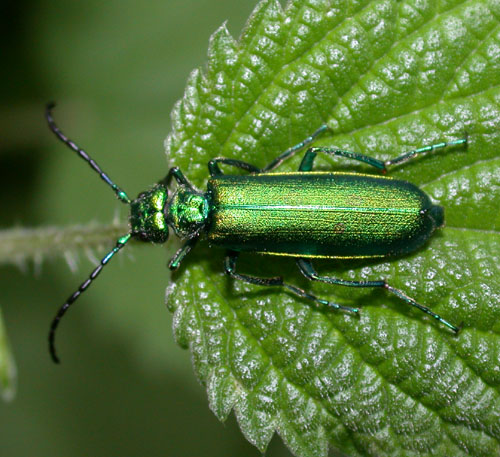
Meloe variegatus
Photo: Wikimedia Commons (CC) via https://en.wikipedia.org/wiki/Meloe_variegatus
Overview
Meloe variegatus is a European oil beetle. It is commonly known as the variegated oil beetle. Adult beetles feed on leaves and can be pests of crops, while the larvae are parasitic on solitary bees.
Meloe variegatus, the variegated oil beetle, faces severe population declines primarily due to habitat loss and degradation of flower-rich grasslands and meadows essential for both adult feeding and their complex parasitic lifecycle. Agricultural intensification, pesticide use, and loss of wild bee hosts have further compromised this species' survival across its European range.
Habitat
M. variegatus is classified as 'regionally extinct' in the United Kingdom. It can still be found in central Europe and the Iberian peninsula.
Other threatened species in Meloidae
Frequently asked questions
Why is Meloe variegatus classified as Critically Endangered?
Where does Meloe variegatus live?
What are the main threats to Meloe variegatus?
Get weekly conservation intelligence
One short digest a week of the most striking species and country data we ship, plus breaking conservation news paired with our database where it matters.
Free, no spam. One-click unsubscribe in every email.