Species Explorer
Browse and search species from the IUCN Red List and GBIF.
54,666 species

Heath Short-spur
CRAnisodactylus nemorivagus
The Heath Short-spur (Anisodactylus nemorivagus) is critically endangered due to severe habitat loss and degradation of its specialized heathland ecosystem. Urban development, agricultural conversion, and changes in land management practices have dramatically reduced the availability of suitable sandy heathland habitats this ground beetle requires for survival.

Heath-grass
ENDanthonia decumbens
Heath-grass (Danthonia decumbens) is declining primarily due to habitat loss and degradation of its specialized grassland ecosystems. Agricultural intensification, urban development, and changes in traditional land management practices have significantly reduced the availability of suitable acidic grassland habitats.

Heather Ladybird
VUChilocorus bipustulatus
The Heather Ladybird faces significant population declines primarily due to habitat loss from agricultural intensification and urban development, which has reduced the availability of heathland and moorland ecosystems where it specializes. Climate change and the widespread use of pesticides in agricultural areas have further contributed to its vulnerable status by altering prey availability and directly impacting survival rates.

hedblomsterstävmal
VUPtocheuusa inopella
Hedeoldenborre
VUAmphimallon ochraceum
Hedge Groundling
CRCaryocolum huebneri
The Hedge Groundling (Caryocolum huebneri) is critically endangered due to severe habitat loss and degradation of its specialized chalk grassland environment. The species has an extremely restricted range and small population size, making it highly vulnerable to local extinctions from habitat disturbance and changes in land management practices.

Hedge Maple
CRAcer campestre
Hedge Maple faces severe population declines due to widespread habitat loss from agricultural intensification and urban development across its native European range. Ancient hedgerows and woodland edges that provide critical habitat have been systematically removed, while remaining populations suffer from fragmentation and degraded connectivity between suitable sites.
Hedgehog Bramble
VURubus echinatus
hedkokongvivel
CRHypera melancholica
The hedkokongvivel faces severe population declines due to widespread habitat destruction from agricultural expansion and urbanization across its range. Climate change is altering the temperature and moisture conditions of its specialized microhabitats, while invasive plant species are displacing native vegetation that this weevil depends upon for reproduction and survival.

hedlarvmördare
CRCalosoma maderae
Calosoma maderae, the Madeira ground beetle, faces severe population decline primarily due to habitat destruction and fragmentation of its native laurel forest ecosystem in Madeira. The species is highly specialized to the endemic Madeiran laurel forests, making it extremely vulnerable to environmental changes and human disturbance.

heenzweefvlieg
VULejops vittatus
Heide-Rötling
VUEntoloma elodes
heidedansvlieg
ENEmpis serotina
Empis serotina faces severe population declines primarily due to habitat loss from agricultural intensification and urban development in its limited range. The species' specialized habitat requirements and restricted distribution make it particularly vulnerable to environmental changes and fragmentation of suitable breeding sites.
heidedraaigatje
ENTapinoma ambiguum
Tapinoma ambiguum faces severe population declines primarily due to habitat destruction from urban development and agricultural expansion in its limited range. The species' specialized nesting requirements and small population size make it particularly vulnerable to environmental disturbances and climate change impacts.
heidegitje
ENCheilosia longula
Cheilosia longula faces severe population declines primarily due to habitat loss and degradation of its specialized wetland environments. Climate change and agricultural intensification are reducing the availability of suitable breeding sites and host plants essential for this hoverfly's lifecycle.
heidekrabspin
CRXysticus acerbus
The heidekrabspin (Xysticus acerbus) faces severe population decline primarily due to habitat loss and degradation of its specialized heathland ecosystems. Agricultural intensification, urban development, and changes in traditional land management practices have dramatically reduced the availability of suitable sandy heathland habitats. Climate change may further exacerbate these pressures by altering the delicate ecological conditions this species requires.
heidelanglijf
ENSphaerophoria virgata
Sphaerophoria virgata, a hoverfly species, faces significant population declines primarily due to habitat loss from agricultural intensification and urbanization. The species is particularly vulnerable to pesticide use and the loss of wildflower meadows that provide essential nectar sources and breeding sites.
Heidemärzzirpe
ENMocydiopsis parvicauda
Heidemärzzirpe (Mocydiopsis parvicauda) is primarily threatened by habitat loss and degradation due to agricultural intensification and urban development in its limited range. The species' specialized habitat requirements and small population size make it particularly vulnerable to environmental changes and human disturbance.
heidepyamaspin
ENHypsosinga sanguinea
Habitat loss due to heathland conversion for agriculture and urban development poses the primary threat to heidepyamaspin populations. Climate change and the encroachment of invasive plant species are further degrading the specialized microhabitats this spider requires for web construction and prey capture.
heiderichelkaak
ENGnaphosa leporina
Gnaphosa leporina faces severe population declines primarily due to habitat loss from agricultural intensification and urban development in its limited range. The species' specialized habitat requirements and small population size make it particularly vulnerable to environmental changes and human disturbance.

heidesteekmier
CRMyrmica sulcinodis
Myrmica sulcinodis faces severe population declines primarily due to habitat loss and degradation of its specialized heathland and moorland ecosystems. Climate change and agricultural intensification have further reduced the availability of suitable nesting sites and altered the microclimatic conditions this species requires.

Heim's Pottia
VUHennediella heimii
Heinrich's wart frog
VULimnonectes heinrichi
Heller Samtritterling
VUDermoloma josserandii
Heller's Notchwort
VUCrossocalyx hellerianus
Hellrandiger Schneckling
ENHygrophorus lindtneri
Hygrophorus lindtneri faces severe population declines primarily due to habitat loss from deforestation and agricultural conversion of its specialized forest ecosystems. Climate change is altering the moisture and temperature conditions essential for this mycorrhizal fungus, while pollution and soil contamination further degrade its habitat quality.
helmmarpissa
ENMarpissa nivoyi
Marpissa nivoyi faces severe population declines primarily due to habitat destruction from urban development and agricultural expansion in its limited range. The species' specialized habitat requirements and small population size make it particularly vulnerable to environmental changes and human disturbance.
helmzakspin
VUClubiona frisia

Helvelle solitaire
VUHelvella solitaria

Hemlock Yellow Conch
VUAethes beatricella

Hemp Agrimony Plume
VUAdaina microdactyla
Hemp Agrimony Plume (Adaina microdactyla) faces significant decline primarily due to habitat loss and degradation of wetland areas where its host plant Hemp Agrimony grows. Agricultural intensification, drainage of marshy areas, and urban development have reduced suitable breeding habitats across its European range.
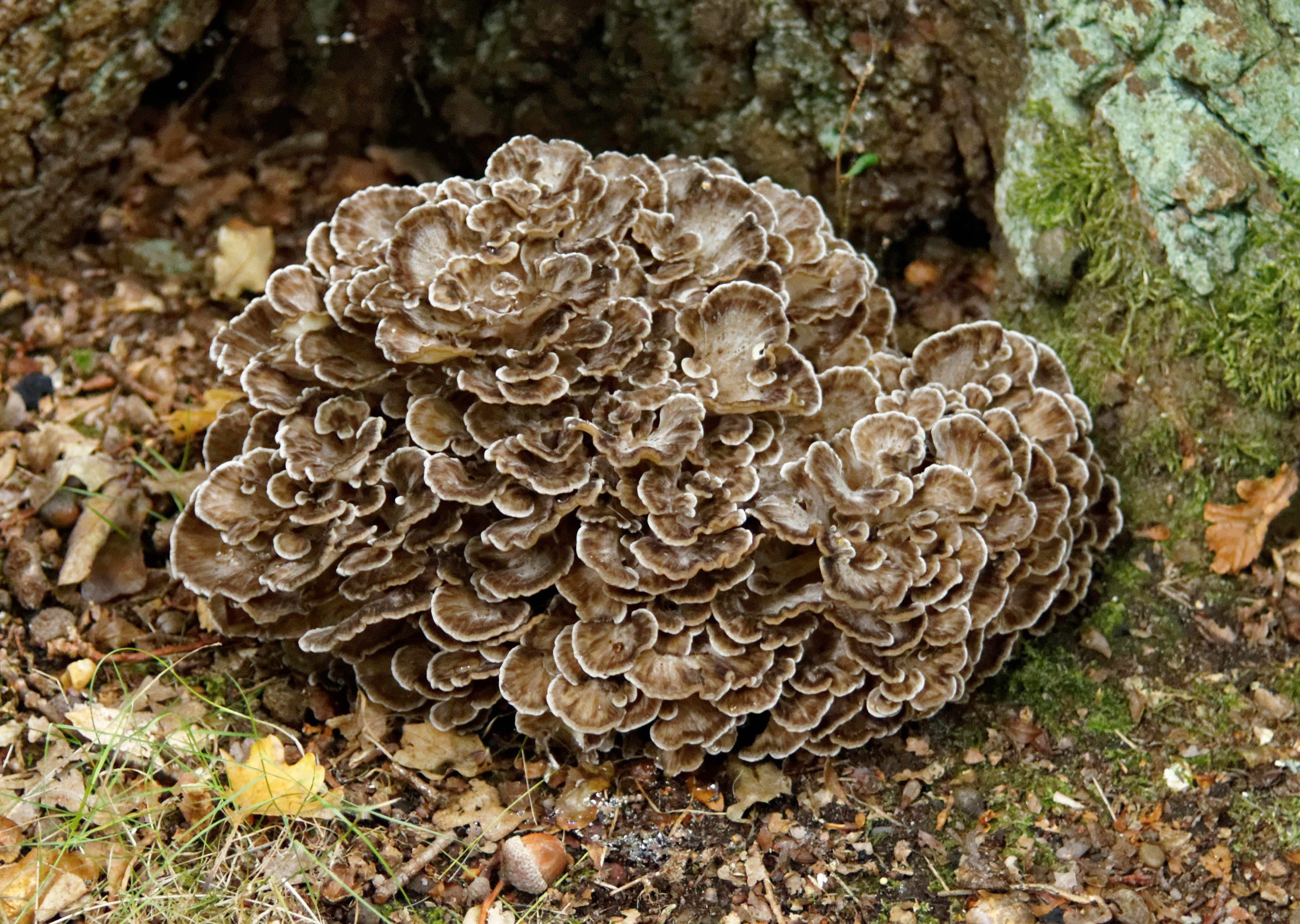
Hen Of The Woods
VUGrifola frondosa
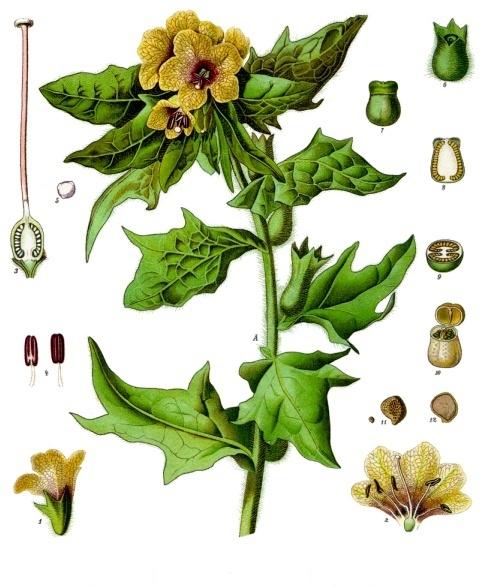
henbane
ENHyoscyamus niger
Henbane (Hyoscyamus niger) faces significant population declines primarily due to habitat loss from agricultural intensification and urban development. The species is particularly vulnerable because it depends on disturbed soils and waste ground that are increasingly being converted to intensive agriculture or built development.

heppia
ENHeppia lutosa
Heppia lutosa, a crustose lichen species, faces significant threats from habitat degradation and loss due to air pollution, particularly nitrogen deposition and sulfur compounds that alter the chemical composition of its substrate. Climate change and urbanization further threaten the specialized microhabitats this species requires for survival.

Hérault sculpin
CRCottus rondeleti
The Hérault sculpin is critically endangered due to its extremely limited range, being endemic to a small section of the Hérault River basin in southern France. The species faces severe threats from habitat degradation, water pollution, and hydrological modifications that have drastically reduced suitable spawning and nursery areas. Climate change and drought conditions further exacerbate these pressures by reducing water flow and increasing water temperatures beyond the species' tolerance levels.
Hercynian Haircap
VUOligotrichum hercynicum

Hermit beetle
CROsmoderma eremita
The Hermit beetle is critically endangered primarily due to the loss and fragmentation of old-growth deciduous forests containing ancient hollow trees, which are essential for its larval development. Modern forestry practices that remove dead and dying trees, along with urbanization and agricultural expansion, have severely reduced suitable habitat across Europe. The species' extremely slow development cycle and limited dispersal ability make populations particularly vulnerable to habitat disturbance.

Herring Gull
VULarus argentatus
hietakahvahukka
CRMiscophus spurius
Miscophus spurius faces severe population declines due to habitat destruction from agricultural expansion and urbanization across its limited range. The species' specialized parasitoid lifestyle makes it particularly vulnerable to pesticide use and the decline of its specific host species, creating cascading effects that threaten remaining populations.

High Brown Fritillary
CRFabriciana adippe
The High Brown Fritillary has experienced severe population declines across its range due to habitat loss and degradation, particularly the loss of traditional woodland management practices that maintained the warm, sheltered clearings this species requires. Climate change and habitat fragmentation have further reduced suitable breeding sites, while the abandonment of coppicing and other woodland management has led to increased canopy closure that eliminates the sun-dappled conditions needed by both the butterfly and its violet host plants.
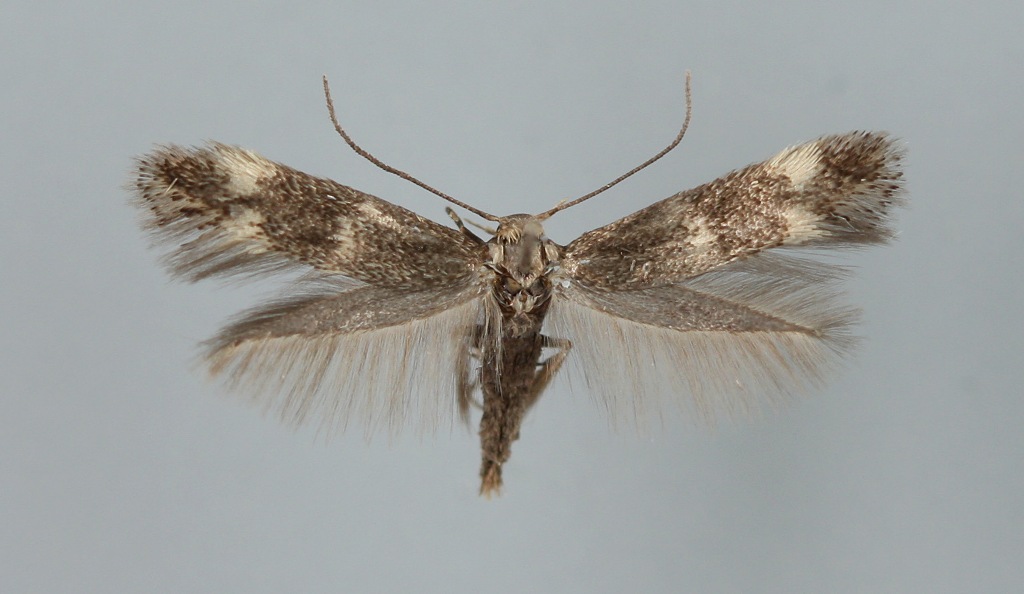
Highland Dwarf
VUElachista eskoi

Highland Flat-body
VUDepressaria silesiaca

Hill Soldier
VUOxycera pardalina

Hinde's Pied-babbler
VUTurdoides hindei

Hintapink Brittlegill
ENRussula paludosa
The Hintapink Brittlegill faces severe population declines primarily due to habitat loss from wetland drainage and agricultural conversion of its specialized bog and marsh ecosystems. Climate change is altering the hydrology of these sensitive wetland habitats, while pollution from agricultural runoff and urban development further degrades water quality in remaining suitable areas.
hippupalkonen
VUHydroptila simulans

Hispaniola palmetto
ENSabal domingensis
The Hispaniola palmetto faces severe population decline primarily due to habitat destruction from agricultural expansion, urban development, and deforestation across its limited range on Hispaniola. Additional pressures from harvesting for construction materials and ornamental use, combined with the species' naturally restricted distribution, have pushed it to endangered status.
Hispaniolan Earless Galliwasp
ENCelestus haetianus
The Hispaniolan Earless Galliwasp faces severe population declines primarily due to extensive habitat destruction from agricultural expansion, urban development, and deforestation across Hispaniola. The species' limited range and specialized habitat requirements make it particularly vulnerable to these anthropogenic pressures, with remaining populations becoming increasingly fragmented and isolated.

Hispaniolan Hutia
ENPlagiodontia aedium
The Hispaniolan Hutia faces severe population decline primarily due to extensive habitat destruction from deforestation, agricultural expansion, and urban development across Hispaniola. Hunting pressure for subsistence food and the introduction of non-native predators like cats and dogs have further reduced populations throughout their range.

Hoary Puffleg
VUHaplophaedia lugens