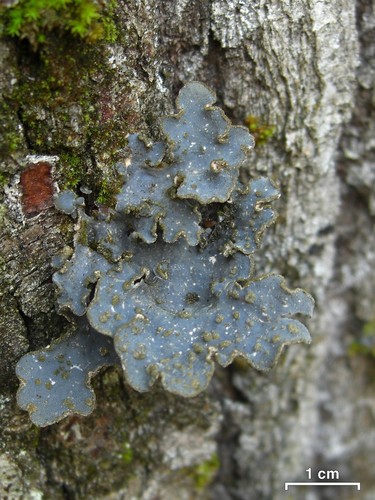
Gray Lung Lichen
Lobaria hallii
Photo: Photo: (c) Jason Hollinger, some rights reserved (CC BY)
Overview
Lobaria hallii is a large foliose lichen with a distinctive hairy, wrinkled thallus that forms broad, leafy lobes on tree bark. This epiphytic species plays a crucial ecological role as a nitrogen-fixer in forest ecosystems, contributing essential nutrients to its environment while serving as habitat and food for various invertebrates.
Lobaria hallii is critically endangered primarily due to habitat loss from logging and forest fragmentation in old-growth forests of the Pacific Northwest. This epiphytic lichen requires very specific microclimate conditions found only in mature forest ecosystems with high humidity and stable temperatures. Climate change further threatens remaining populations by altering the moisture regimes essential for its survival.
Habitat
Lobaria hallii grows exclusively on the bark of old-growth deciduous and mixed forests, particularly favoring mature maple, oak, and ash trees in humid, sheltered valleys. It requires stable microclimates with high air humidity and minimal temperature fluctuations, typically found in undisturbed forest interiors.
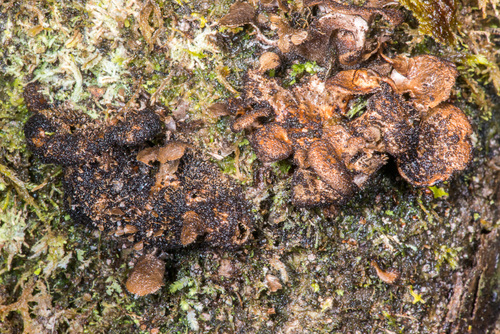
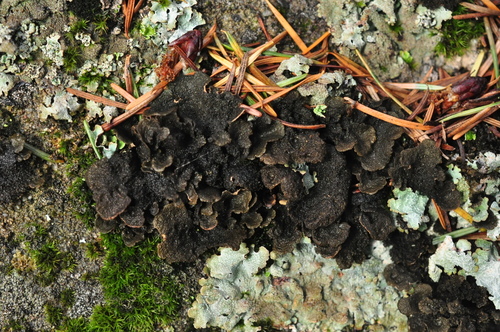
Other threatened species in Lobariaceae
Frequently asked questions
Why is Gray Lung Lichen classified as Critically Endangered?
Where does Gray Lung Lichen live?
What are the main threats to Gray Lung Lichen?
Get weekly conservation intelligence
One short digest a week of the most striking species and country data we ship, plus breaking conservation news paired with our database where it matters.
Free, no spam. One-click unsubscribe in every email.