
ENEndangered
Hazel Groundling
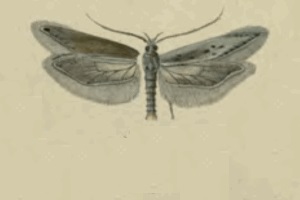
Teleiodes wagae
Unknown
Photo: Wikimedia Commons (CC) via https://en.wikipedia.org/wiki/Teleiodes_wagae
Overview
Teleiodes wagae, the hazel groundling, is a moth of the family Gelechiidae. It is found throughout Europe, east to Siberia.
The Hazel Groundling (Teleiodes wagae) is declining primarily due to habitat loss and degradation of its specialized woodland environments. Agricultural intensification, urbanization, and changes in forest management practices have reduced the availability of suitable breeding and feeding sites for this moth species.
Habitat
TERRESTRIAL· major
Other threatened species in Gelechiidae


Threatened in Åland Islands


Frequently asked questions
Why is Hazel Groundling classified as Endangered?
Hazel Groundling is classified as Endangered — facing a very high risk of extinction in the wild — because population numbers are declining steeply and key habitats are under sustained pressure. The Hazel Groundling (Teleiodes wagae) is declining primarily due to habitat loss and degradation of its specialized woodland environments. Agricultural intensification, urbanization, and changes in forest management practices have reduced the availability of suitable breeding and feeding sites for this moth species.
Where does Hazel Groundling live?
Hazel Groundling occurs in Åland Islands, Austria, Croatia, Denmark, Estonia, and France (plus 11 other countries). Country-level distribution data is sourced from the IUCN Red List and cross-referenced with GBIF occurrences.
What are the main threats to Hazel Groundling?
The main threats to Hazel Groundling are ai-1, ai-2, ai-3, and ai-4. The full IUCN-classified threat record for this species is detailed on the species page.
Get weekly conservation intelligence
One short digest a week of the most striking species and country data we ship, plus breaking conservation news paired with our database where it matters.
Free, no spam. One-click unsubscribe in every email.