Heath Grasper
Haplodrassus dalmatensis
Overview
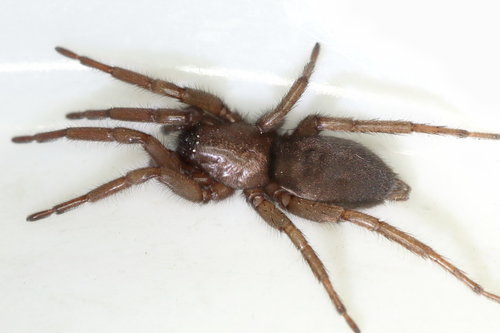
The Heath Grasper (Haplodrassus dalmatensis) is a small ground-dwelling spider species endemic to the Dalmatian coastal region of the Balkans. This cryptic arachnid displays a mottled brown and gray coloration that provides excellent camouflage among rocky substrates and low vegetation. As a nocturnal hunter, it plays a crucial role in controlling populations of small arthropods in its specialized Mediterranean heath ecosystems.
The Heath Grasper (Haplodrassus dalmatensis) faces severe population declines primarily due to habitat loss and degradation of its specialized Mediterranean coastal environments. Urban development, tourism infrastructure, and changes in land use practices have significantly reduced the availability of suitable habitat for this endemic spider species.
Habitat
Heath Graspers inhabit dry, rocky Mediterranean heathlands characterized by sparse shrubland dominated by aromatic herbs, low-growing maquis vegetation, and limestone karst formations. They specifically require areas with loose stone debris and well-drained soils where they can construct their ground-level retreats beneath rocks and among the root systems of drought-adapted perennial plants.
Other threatened species in Gnaphosidae
Threatened in Austria
Frequently asked questions
Why is Heath Grasper classified as Endangered?
Where does Heath Grasper live?
What are the main threats to Heath Grasper?
Get weekly conservation intelligence
One short digest a week of the most striking species and country data we ship, plus breaking conservation news paired with our database where it matters.
Free, no spam. One-click unsubscribe in every email.