Drassodes pubescens
Overview
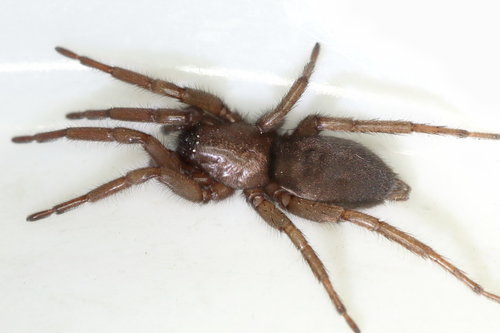
Drassodes pubescens, commonly known as the harige muisspin (hairy mouse spider), is a medium-sized ground spider characterized by its dense covering of fine hairs and robust build. This nocturnal hunter plays a crucial role in controlling insect populations in its ecosystem, actively pursuing prey rather than building webs.
Drassodes pubescens faces severe population declines primarily due to habitat loss and fragmentation from urban development and agricultural expansion in its limited range. The species' specialized habitat requirements and small population size make it particularly vulnerable to environmental changes and human disturbance.
Habitat
This species inhabits dry sandy soils in heathlands, coastal dunes, and sparse grasslands with scattered vegetation. It constructs silk-lined burrows in loose substrate, often beneath small shrubs or in areas with partial ground cover.
Other threatened species in Gnaphosidae
Threatened in Åland Islands


Frequently asked questions
Why is Drassodes pubescens classified as Endangered?
Where does Drassodes pubescens live?
What are the main threats to Drassodes pubescens?
Get weekly conservation intelligence
One short digest a week of the most striking species and country data we ship, plus breaking conservation news paired with our database where it matters.
Free, no spam. One-click unsubscribe in every email.