
Bird's-nest Orchid
Neottia nidus-avis
Photo: Wikimedia Commons (CC) via https://en.wikipedia.org/wiki/Neottia_nidus-avis
Overview
Neottia nidus-avis is a leafless, achlorophyllous orchid that lacks the green pigmentation typical of most plants, instead deriving all its nutrition from mycorrhizal fungi in a relationship known as mycoheterotrophy. Its honey-brown to yellowish stem and flowers give the plant a ghostly appearance, and its tangled mass of thick roots resembles a bird's nest, the source of its common name. Because it does not photosynthesize, it can grow in deep shade beneath dense forest canopies where few other flowering plants survive, and it plays a specialized role in nutrient cycling by tapping into fungal networks connected to surrounding tree roots.
The species occurs widely across Europe, extending from the United Kingdom, Scandinavia, and the Iberian Peninsula through Central and Eastern Europe into the Caucasus, Iran, and parts of Russia, with additional records in Japan and isolated populations noted in the United States and Australia. It is typically found in mature deciduous and mixed forests, especially those dominated by beech, oak, and hazel, where leaf litter and established fungal communities support its life cycle.
Its survival is closely tied to intact forest ecosystems, making it vulnerable to habitat loss and fragmentation, disruption of the mycorrhizal fungi it depends on, shifting forest microclimates linked to climate change, and changes in forest management practices such as altered logging cycles. Collection by orchid enthusiasts adds further pressure on some populations.
Conservation efforts include habitat protection within existing forest reserves and monitoring under national red lists in several European countries, though targeted recovery programs remain limited. Population trends are currently unknown, and its continued presence depends largely on the preservation of undisturbed, fungally rich forest habitats across its range.
The Bird's-nest Orchid is losing ground as forests are cleared and broken up into smaller patches, which also disrupts its close partnership with underground fungi that it depends on for nutrients since it can't make its own food through photosynthesis. Changes in how forests are managed, along with shifting temperature and moisture conditions from climate change, are altering the shady woodland floor habitat it needs, while some plants are also being dug up by collectors. Overall, these pressures appear to be ongoing and stable rather than rapidly worsening, though the combination of habitat and climate-related threats bears continued watching.
Habitat
It is widespread across most of Europe, occurring also in Algeria, Its conservation status in the UK is near-threatened.
Other threatened species in Orchidaceae
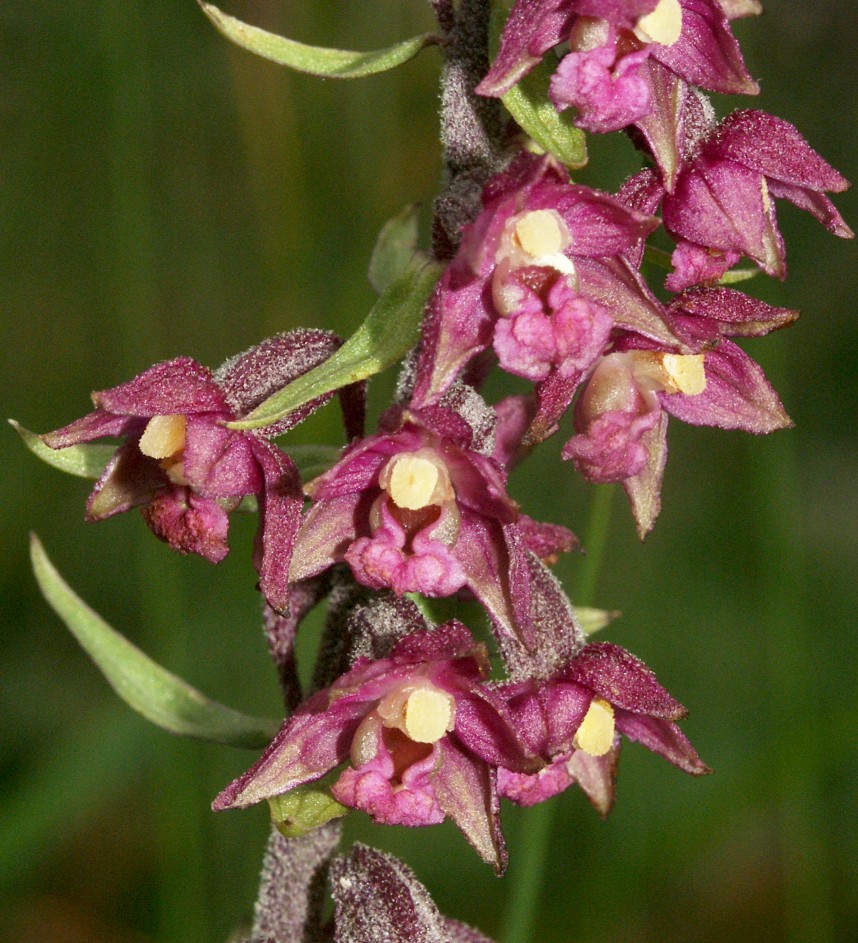
Threatened in Åland Islands


Frequently asked questions
Why is Bird's-nest Orchid classified as Endangered?
Where does Bird's-nest Orchid live?
What are the main threats to Bird's-nest Orchid?
Get weekly conservation intelligence
One short digest a week of the most striking species and country data we ship, plus breaking conservation news paired with our database where it matters.
Free, no spam. One-click unsubscribe in every email.