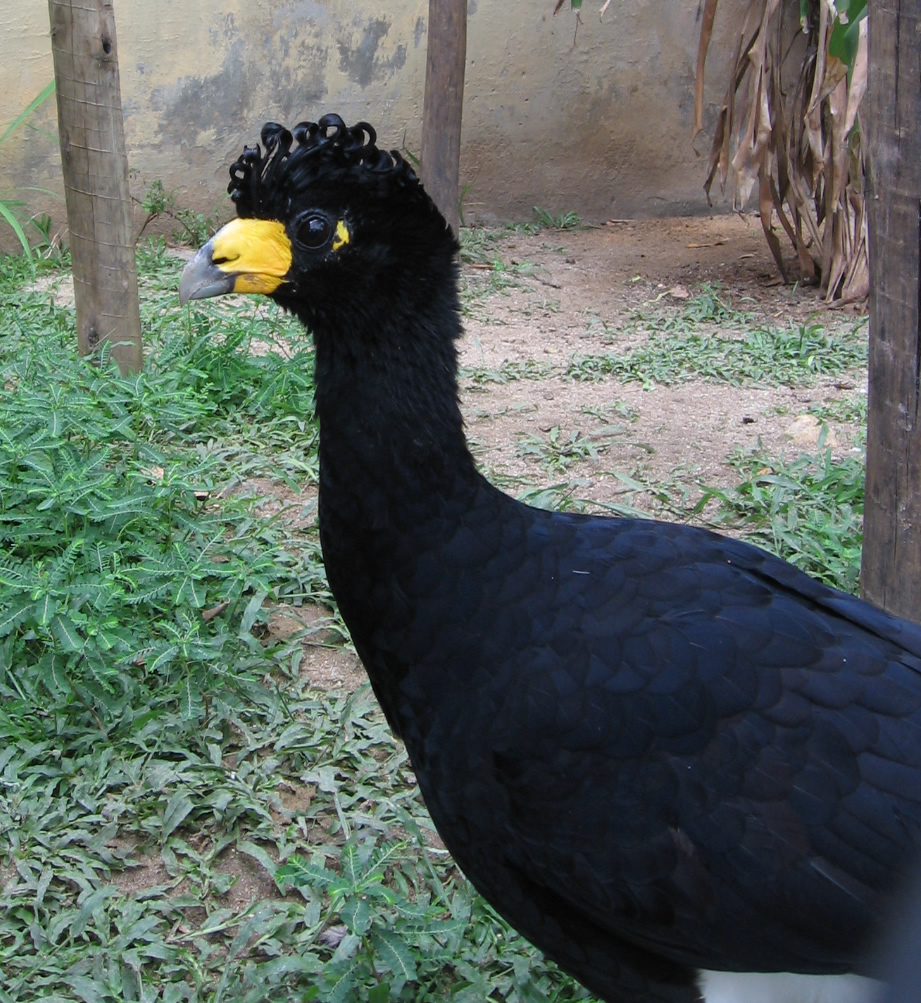
Black Curassow
Crax alector
Photo: Wikimedia Commons (CC) via https://en.wikipedia.org/wiki/Black_curassow
Overview
The black curassow, also known as the smooth-billed curassow and the crested curassow, is a species of bird in the family Cracidae, the chachalacas, guans, and curassows. It is found in humid forests in northern South America in Colombia, Venezuela, the Guianas including Suriname, and far northern Brazil, and is introduced to Bahamas, Cuba, Jamaica, Haiti, Dominican Republic, Puerto Rico and Lesser Antilles. It is the only Crax curassow where the male and female cannot be separated by plumage, as both are essentially black with a white crissum, and have a yellow or orange-red cere.
The Black Curassow faces significant pressure from habitat loss due to deforestation and agricultural expansion throughout its Amazonian range. Hunting pressure for subsistence and commercial purposes has severely reduced populations in accessible areas, while fragmentation of remaining forest blocks limits breeding success and population connectivity.
Habitat
Inhabits primary and secondary tropical rainforests of the Amazon Basin, preferring dense lowland forests with closed canopy and minimal human disturbance. The species requires large territories with abundant fruiting trees and is typically found in areas below 500 meters elevation.
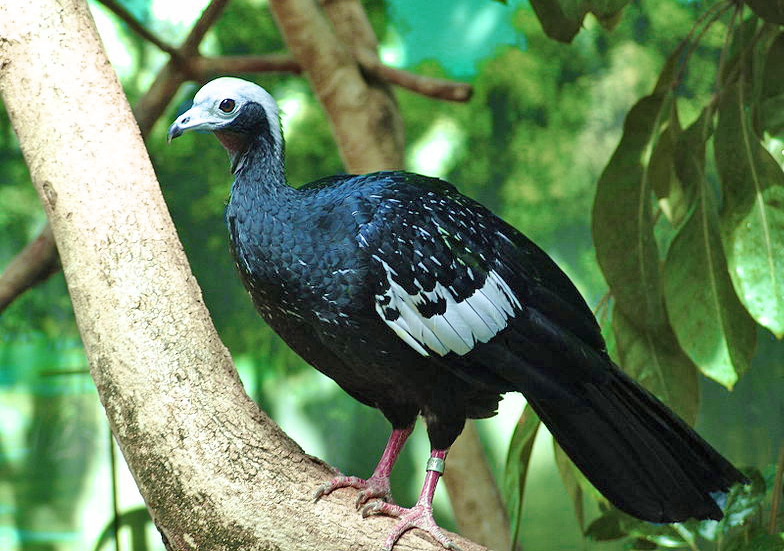
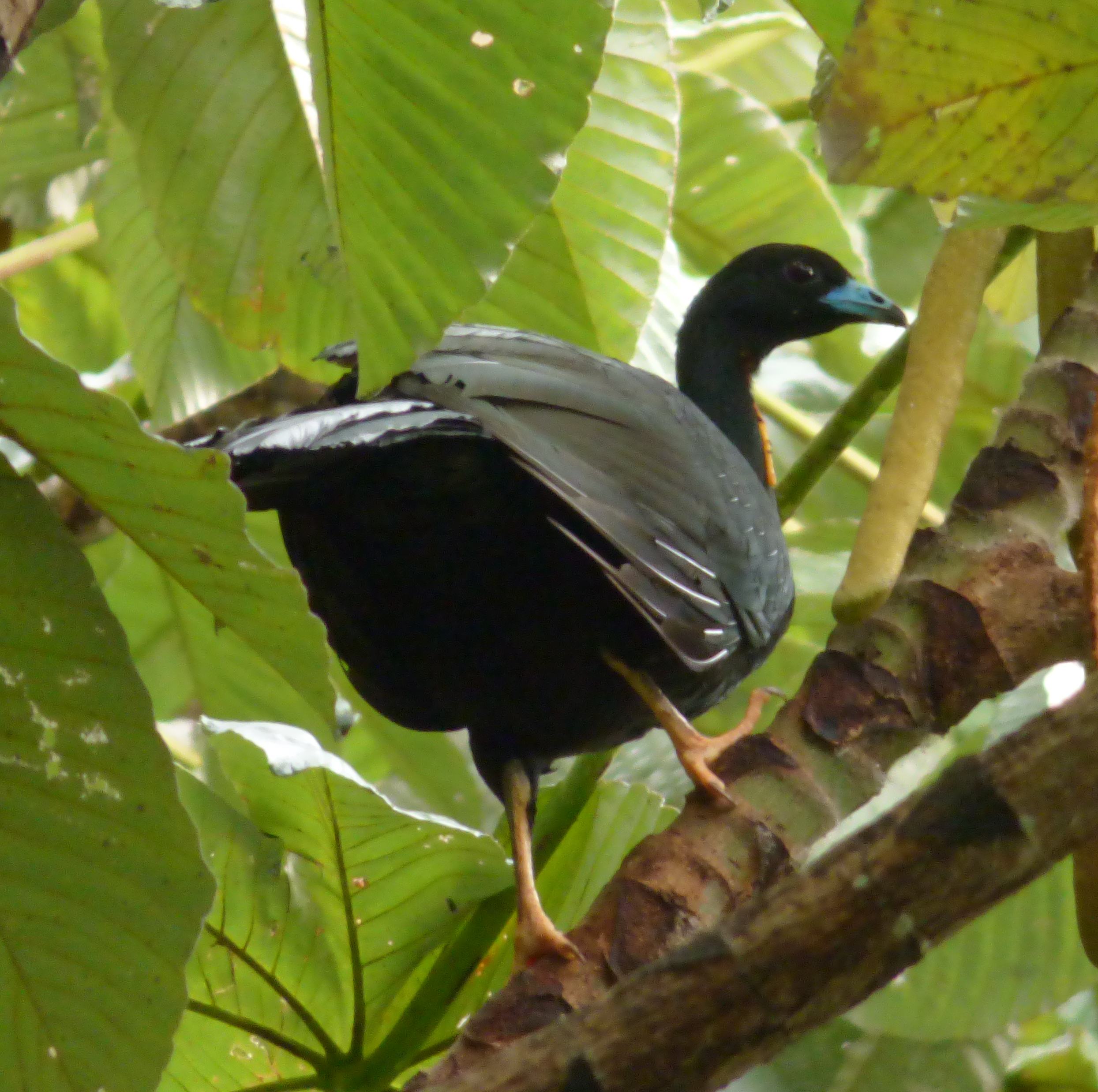
Other threatened species in Cracidae


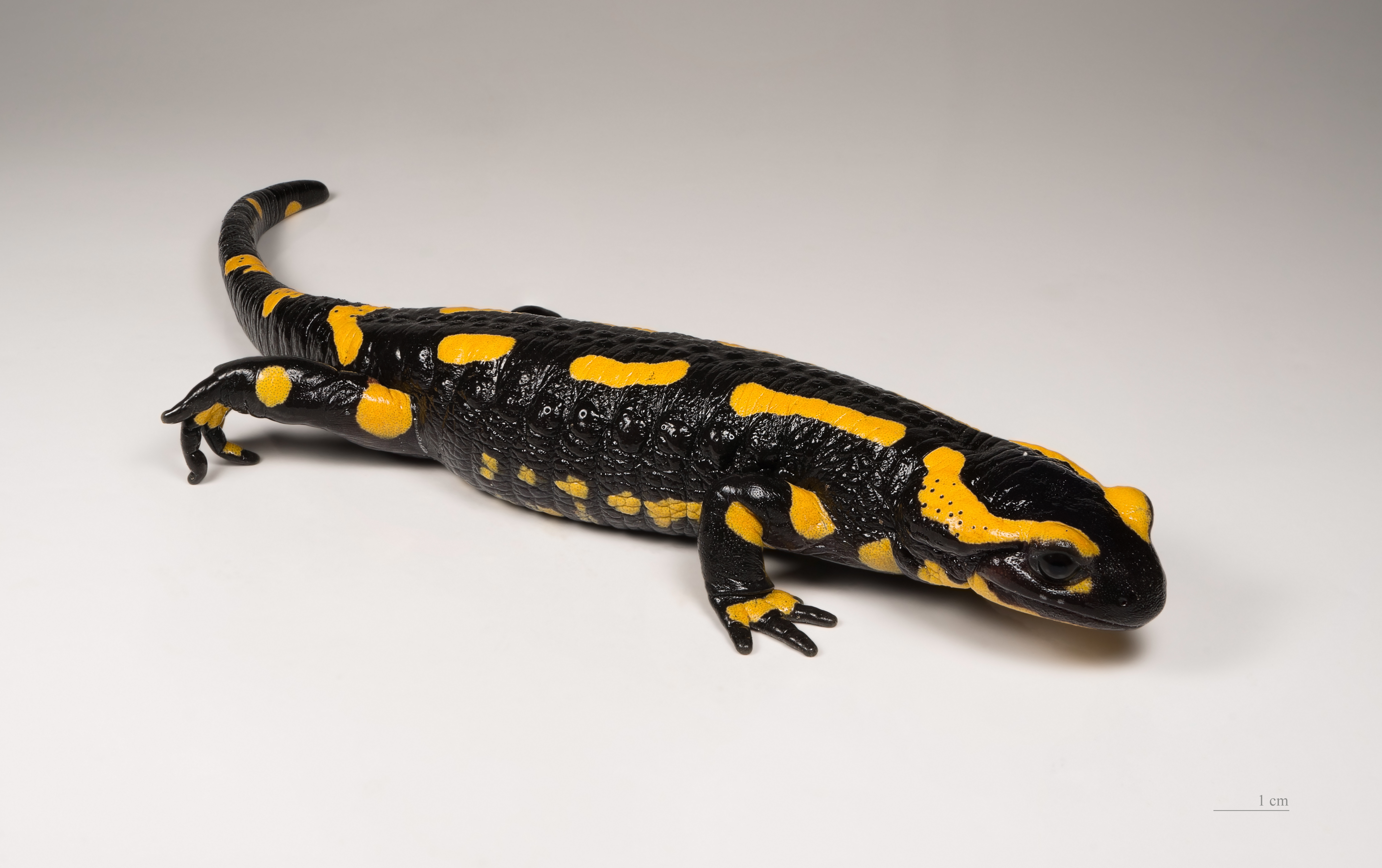
Threatened in Belgium

Frequently asked questions
Why is Black Curassow classified as Vulnerable?
Where does Black Curassow live?
What are the main threats to Black Curassow?
Get weekly conservation intelligence
One short digest a week of the most striking species and country data we ship, plus breaking conservation news paired with our database where it matters.
Free, no spam. One-click unsubscribe in every email.