
Black Bog-rush
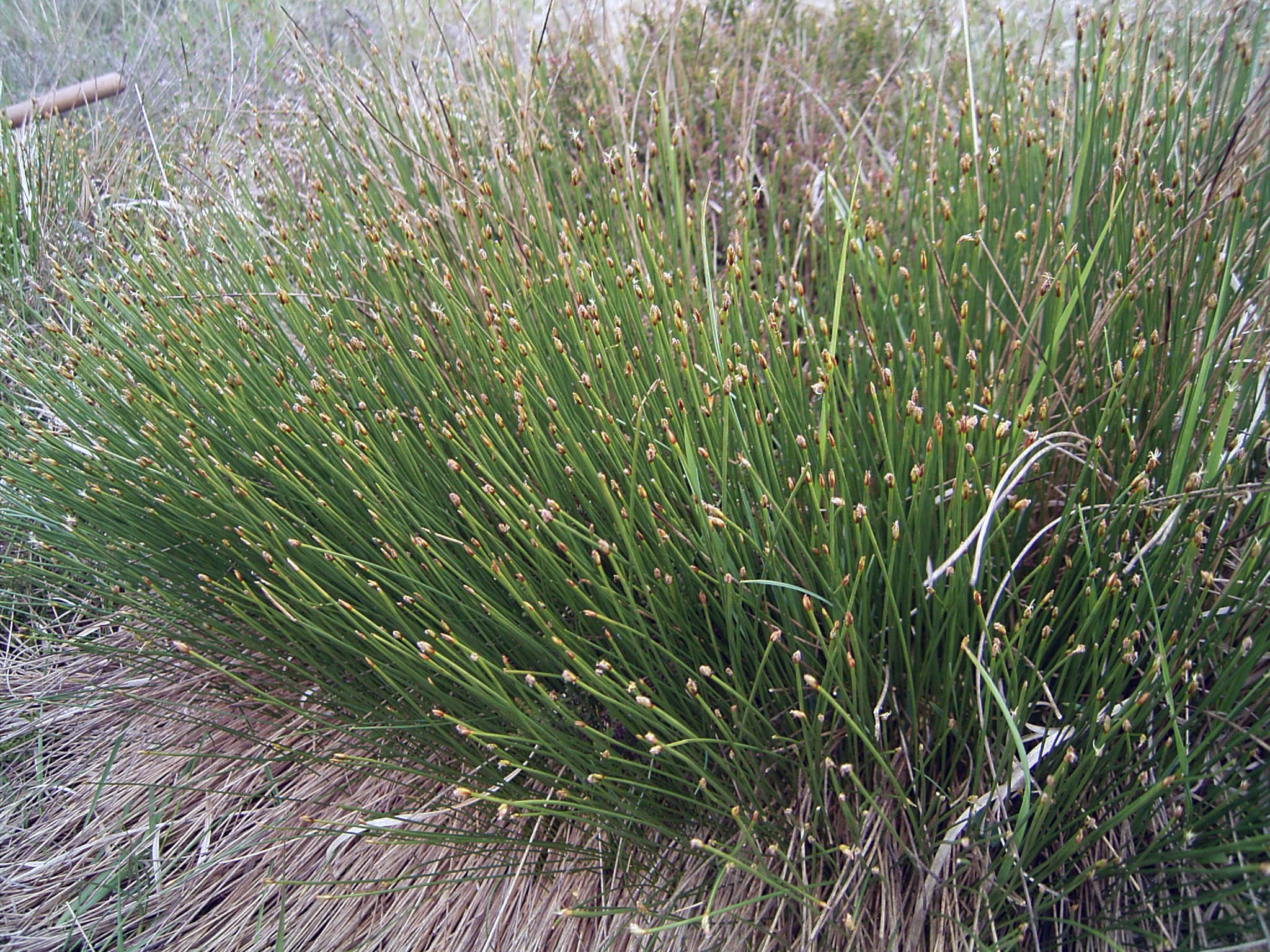
Schoenus nigricans
Photo: Wikimedia Commons (CC) via https://en.wikipedia.org/wiki/Schoenus_nigricans
Overview
Schoenus nigricans is a species of sedge known by the common names black bog-rush and black sedge. It is native to Eurasia, parts of Africa, Australia, and southern North America, including Mexico and the southernmost United States.
Black Bog-rush faces severe decline primarily due to habitat loss and degradation of its specialized wetland environments. Drainage of bogs, fens, and wet meadows for agriculture and development has eliminated much of its suitable habitat, while remaining populations are threatened by changes in water levels and quality.
Habitat
S. nigricans grows in many types of wetlands and other moist and alkaline habitat, including marshes, springs, seeps, peat bogs, heath, and alkali flats.
Image:Schoenus nigricans Texas.jpg|Detail of mature fruiting head
Other threatened species in Cyperaceae


Frequently asked questions
Why is Black Bog-rush classified as Critically Endangered?
Where does Black Bog-rush live?
What are the main threats to Black Bog-rush?
Get weekly conservation intelligence
One short digest a week of the most striking species and country data we ship, plus breaking conservation news paired with our database where it matters.
Free, no spam. One-click unsubscribe in every email.