Grey Neb
Psamathocrita osseella
Overview
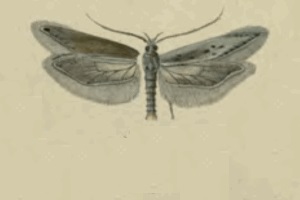
Psamathocrita osseella is a moth of the family Gelechiidae. It was described by Henry Tibbats Stainton in 1861. It is found in Sweden, Great Britain, France, Germany, Italy, Romania, Ukraine and Russia.
Coastal development and rising sea levels are rapidly destroying the Grey Neb's specialized dune habitats, while artificial lighting from beachfront properties disrupts their nocturnal mating behaviors. Climate change is also shifting the timing of their emergence, creating mismatches with their host plants' flowering periods.
Habitat
Grey Nebs inhabit stabilized coastal sand dunes and sandy grasslands within 2 kilometers of the shoreline, where their larvae develop in the root systems of native beach grasses. Adults require areas with minimal light pollution and specific microclimate conditions created by dune topography and salt-tolerant vegetation.
Other threatened species in Gelechiidae


Threatened in Bulgaria
Frequently asked questions
Why is Grey Neb classified as Endangered?
Where does Grey Neb live?
What are the main threats to Grey Neb?
Get weekly conservation intelligence
One short digest a week of the most striking species and country data we ship, plus breaking conservation news paired with our database where it matters.
Free, no spam. One-click unsubscribe in every email.