Cheiracanthium virescens
Overview
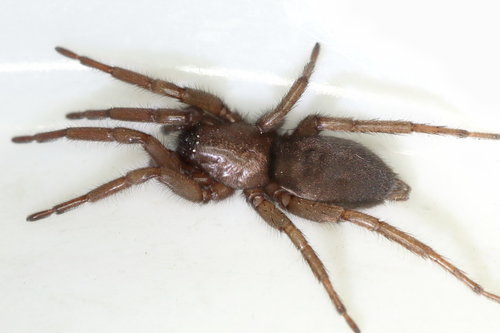
The groene spoorspin (Cheiracanthium virescens) is a small, pale green spider with translucent legs that belongs to the sac spider family. This nocturnal hunter constructs silken retreats in vegetation during the day and actively hunts small insects and other arthropods at night. As a predator of various pest insects, it plays an important role in maintaining ecological balance in its habitat.
The groene spoorspin (Cheiracanthium virescens) is declining primarily due to habitat loss and fragmentation from agricultural intensification and urban development. Climate change and pesticide use in agricultural areas further threaten remaining populations of this specialized spider species.
Habitat
The groene spoorspin inhabits tall grasslands, meadows, and the herbaceous understory of woodland edges, particularly favoring areas with dense vegetation that provides adequate shelter for web construction. It shows a preference for semi-natural grasslands and extensively managed agricultural areas with diverse plant communities.
Other threatened species in Cheiracanthiidae
Threatened in Åland Islands


Frequently asked questions
Why is Cheiracanthium virescens classified as Endangered?
Where does Cheiracanthium virescens live?
What are the main threats to Cheiracanthium virescens?
Get weekly conservation intelligence
One short digest a week of the most striking species and country data we ship, plus breaking conservation news paired with our database where it matters.
Free, no spam. One-click unsubscribe in every email.