Pirata piscatorius
Overview
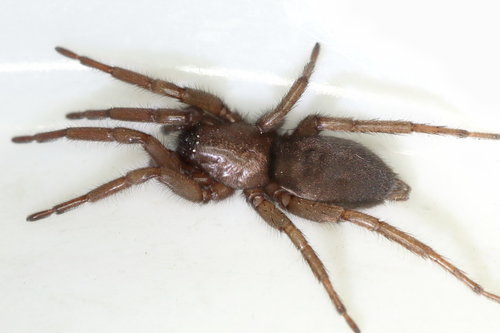
Pirata piscatorius, commonly known as the grote piraat or large pirate spider, is a semi-aquatic wolf spider distinguished by its robust build and distinctive pale longitudinal stripes running along its dark cephalothorax and abdomen. This species plays a crucial ecological role as both predator and prey in wetland ecosystems, hunting small invertebrates along water margins while serving as food for birds and larger arthropods.
Pirata piscatorius faces severe population declines primarily due to habitat loss from wetland drainage and agricultural conversion of its specialized aquatic environments. Water pollution and hydrological changes from human activities further degrade the quality of remaining suitable habitats.
Habitat
This species inhabits the margins of slow-moving streams, pond edges, and marshy areas where vegetation meets open water, particularly favoring areas with emergent sedges and rushes. It requires stable moisture levels and clean water with minimal pollution, often found in reed beds and wet meadows adjacent to permanent water bodies.
Other threatened species in Lycosidae

Threatened in Åland Islands


Frequently asked questions
Why is Pirata piscatorius classified as Endangered?
Where does Pirata piscatorius live?
What are the main threats to Pirata piscatorius?
Get weekly conservation intelligence
One short digest a week of the most striking species and country data we ship, plus breaking conservation news paired with our database where it matters.
Free, no spam. One-click unsubscribe in every email.