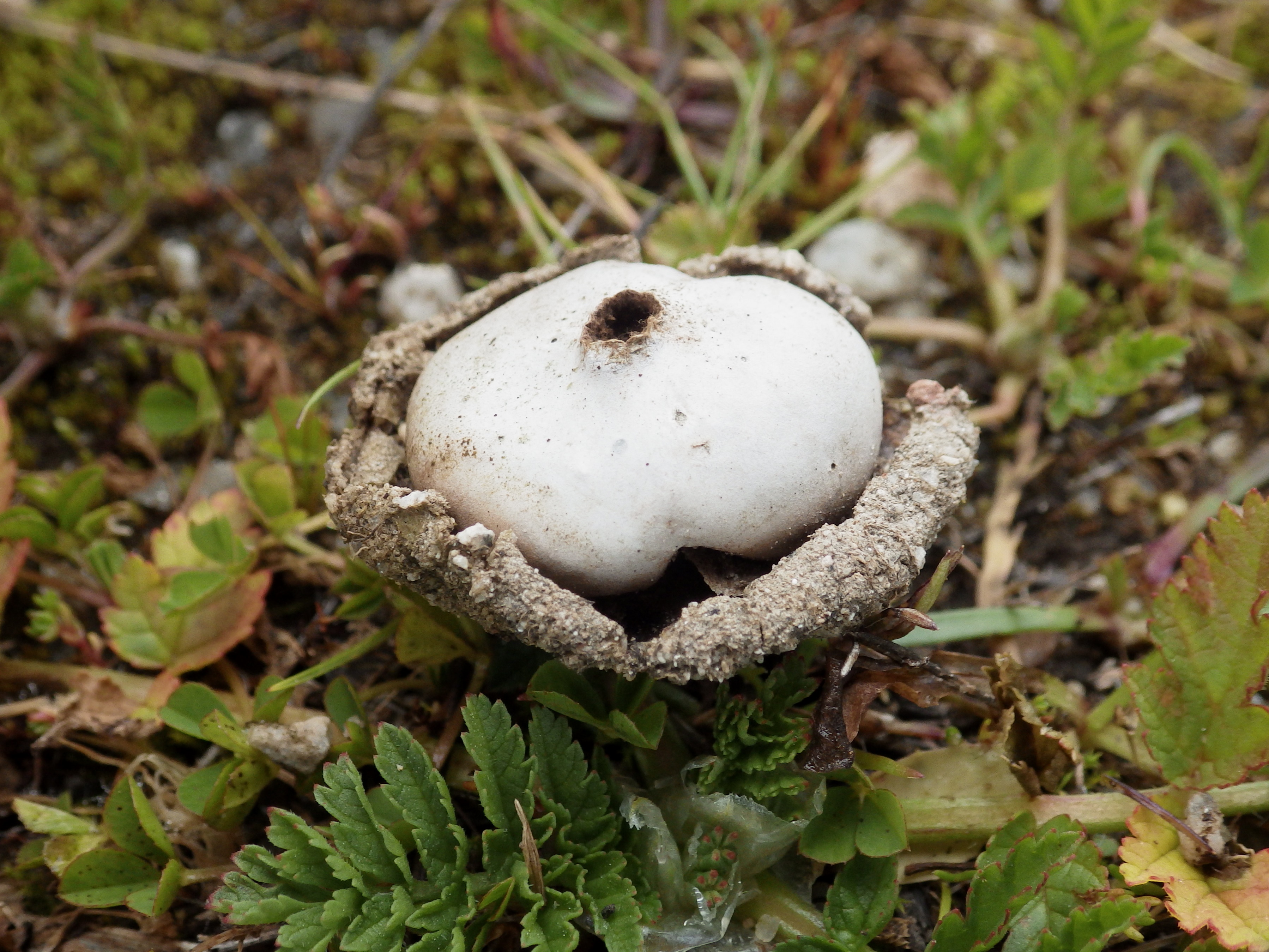
Disciseda bovista
Photo: Wikimedia Commons (CC) via https://en.wikipedia.org/wiki/Disciseda_bovista
Overview
Disciseda bovista is a rare species of gasteroid fungus in the family Agaricaceae. It was first described as Geastrum bovista by Johann Friedrich Klotzsch in 1843. Paul Christoph Hennings transferred it to the genus Disciseda in 1903.
Großer Scheibenbovist (Disciseda bovista) is declining primarily due to habitat loss and degradation of its specialized dry grassland environments. Agricultural intensification, urban development, and changes in land management practices have significantly reduced the availability of suitable sandy, nutrient-poor soils where this fungus can establish and reproduce.
Habitat
Disciseda bovista grows on the ground in sunny, dry, and sandy locales that are often steppe-like. It is found in North America and Europe. Because of its rare occurrence in Europe, it has been placed on the Regional Red Lists of several countries.
Other threatened species in Agaricaceae


Frequently asked questions
Why is Disciseda bovista classified as Endangered?
Where does Disciseda bovista live?
What are the main threats to Disciseda bovista?
Get weekly conservation intelligence
One short digest a week of the most striking species and country data we ship, plus breaking conservation news paired with our database where it matters.
Free, no spam. One-click unsubscribe in every email.