Mealy-rimmed Shingle Lichen
Pannaria conoplea
Overview
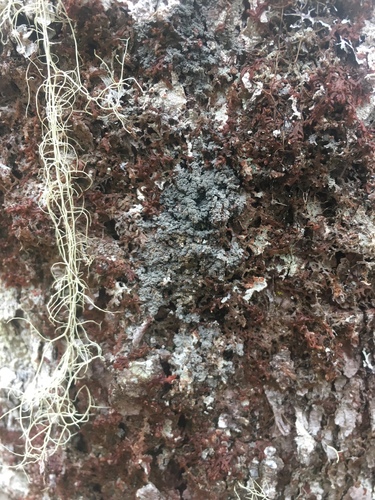
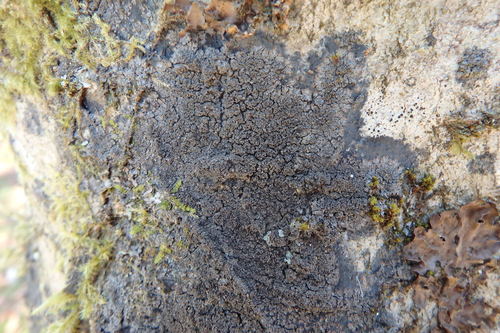
Pannaria conoplea is a foliose lichen species characterized by its distinctive blue-gray to brownish thallus with a feltlike underside and prominent apothecia. This epiphytic lichen plays a crucial ecological role in forest ecosystems by contributing to nutrient cycling and providing microhabitat for invertebrates while serving as an indicator of air quality and old-growth forest conditions.
Pannaria conoplea, a lichen species, faces severe decline primarily due to air pollution and habitat degradation. Industrial emissions, agricultural chemicals, and urban development have significantly reduced suitable habitat and directly impacted lichen survival through atmospheric contamination.
Habitat
This lichen grows primarily on the bark of mature deciduous trees, particularly in humid old-growth forests and well-established woodlands with stable microclimates. It favors locations with consistent moisture levels and clean air, often found in sheltered valleys and areas with minimal human disturbance.
Other threatened species in Pannariaceae
Frequently asked questions
Why is Mealy-rimmed Shingle Lichen classified as Endangered?
Where does Mealy-rimmed Shingle Lichen live?
What are the main threats to Mealy-rimmed Shingle Lichen?
Get weekly conservation intelligence
One short digest a week of the most striking species and country data we ship, plus breaking conservation news paired with our database where it matters.
Free, no spam. One-click unsubscribe in every email.