
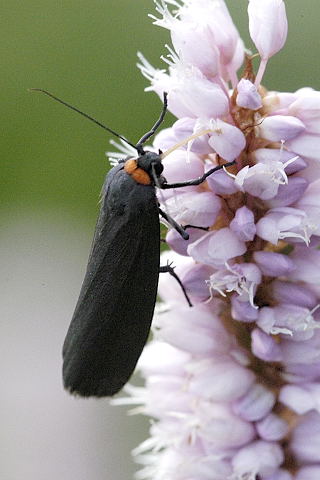
Calyptra thalictri
Photo: Wikimedia Commons (CC) via https://en.wikipedia.org/wiki/Calyptra_thalictri
Overview
Calyptra thalictri is a moth of the family Erebidae. It is native to the area ranging from Japan and Korea to China and Malaysia, west through the Urals to Southern Europe, but it has recently expanded its range to northern Europe. In 2000, it was observed in Finland and in 2008 it was recorded even further west, in Sweden.
Calyptra thalictri faces severe population declines primarily due to habitat loss from agricultural expansion and urbanization across its European range. Climate change is altering the distribution and phenology of its host plants, particularly Thalictrum species, disrupting the moth's reproductive cycle and larval development.
Other threatened species in Erebidae


Threatened in Albania
Frequently asked questions
Why is Calyptra thalictri classified as Endangered?
Where does Calyptra thalictri live?
What are the main threats to Calyptra thalictri?
Get weekly conservation intelligence
One short digest a week of the most striking species and country data we ship, plus breaking conservation news paired with our database where it matters.
Free, no spam. One-click unsubscribe in every email.