Species Explorer
Browse and search species from the IUCN Red List and GBIF.
54,666 species
Springer's Blenny
VUScartella springeri
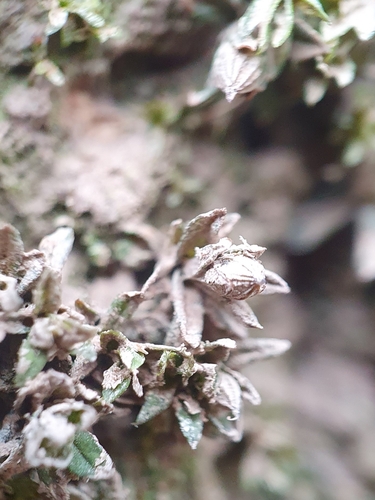
Spruce's Bristle-moss
CROrthotrichum sprucei
Spruce's Bristle-moss faces severe threats from habitat degradation and loss due to air pollution, particularly acid rain and nitrogen deposition, which alter the chemistry of its bark substrates. Climate change poses additional risks through altered precipitation patterns and temperature regimes that affect the delicate moisture balance required for this epiphytic moss. The species' extremely limited distribution and small population sizes make it highly vulnerable to local extinctions from environmental disturbances.
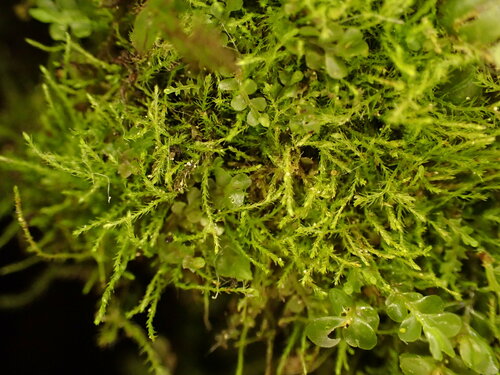
Spruce's Leskea
CRPlatydictya jungermannioides
Spruce's Leskea faces severe threats from habitat degradation and loss of its specialized bryophyte communities in temperate and boreal forest ecosystems. Climate change poses additional risks by altering moisture regimes and temperature conditions essential for this moss species' survival. The species' limited distribution and specific ecological requirements make it particularly vulnerable to environmental changes and human disturbances.
Spur-necked Forklet Moss
CRDicranella cerviculata
Spur-necked Forklet Moss faces severe threats from habitat degradation and loss due to urbanization, agricultural expansion, and climate change impacts on its specialized microhabitat requirements. The species' extremely limited distribution and specific ecological needs make it highly vulnerable to environmental disturbances and pollution.
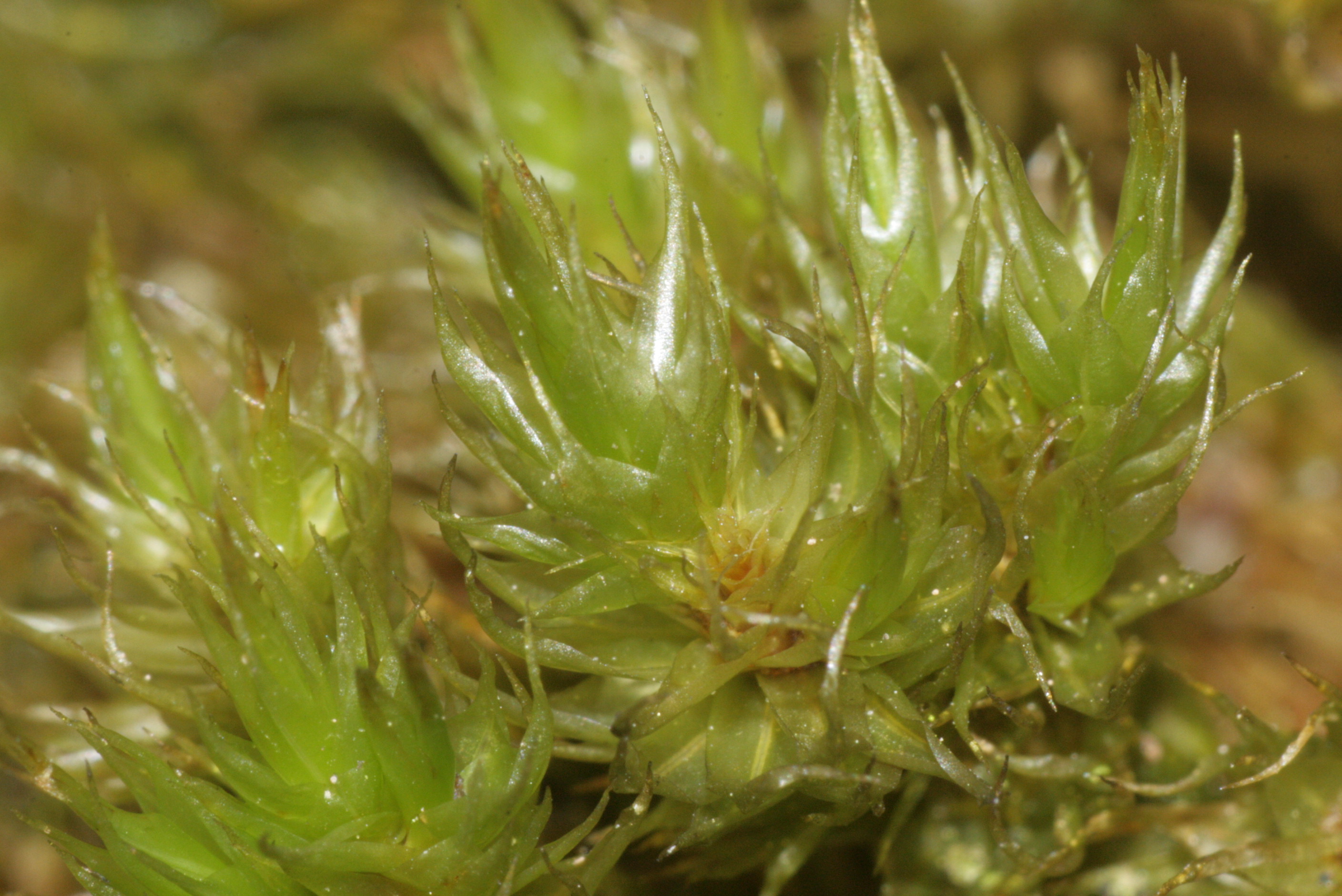
spurred broom moss
VUDicranum spurium

Square Spot
VUParadarisa consonaria

Square-headed Furrow Bee
CRHalictus maculatus
The Square-headed Furrow Bee faces severe population declines due to widespread habitat loss from agricultural intensification and urban development, which eliminates the diverse flowering plants and suitable nesting sites this ground-nesting species requires. Climate change and pesticide use further compound these pressures, disrupting foraging patterns and reducing reproductive success across its remaining fragmented range.

Square-spot Bell, Dark Rose Shoot Moth
VUNotocelia tetragonana

Sri Lanka Highland Shrew
VUSuncus montanus
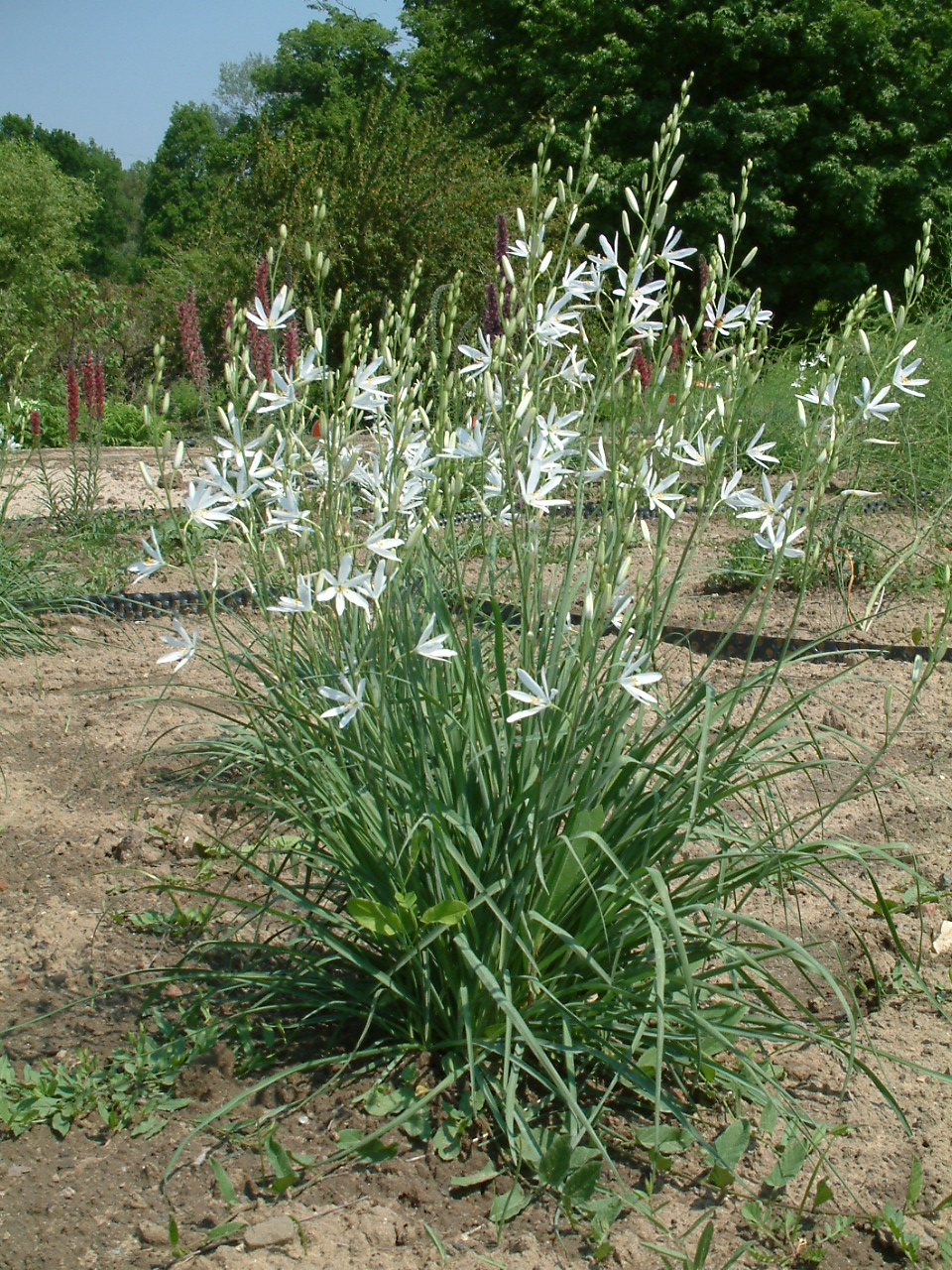
St Bernard's Lily
ENAnthericum liliago

St Marks Fly
VUBibio marci
St. Mark's Fly populations face mounting pressure from habitat loss due to agricultural intensification and urban development, which destroys the organic-rich soils essential for larval development. Climate change poses additional threats by disrupting their precisely timed emergence patterns and reducing the availability of suitable breeding substrates.
St Winifrid's Moss
ENChiloscyphus polyanthos

St. Bees Seed-eater
CRHarpalus honestus
The St. Bees Seed-eater faces severe population declines due to habitat destruction from agricultural expansion and urban development across its limited range. Invasive plant species have altered the composition of native grasslands and scrublands where this ground beetle depends on specific seed resources, while climate change is shifting precipitation patterns that affect both the beetle and its food plants.

St. Johnswort Beetle
CRChrysolina hyperici
The St. Johnswort Beetle faces threats from habitat loss and degradation in its native European range, along with potential impacts from pesticide applications. Climate change may also affect both the beetle and its host plant relationships, while declining St. Johnswort populations in some areas reduce available food sources.
St. Lucia Mullet
ENLiza luciae
staartstrekspin
CRTetragnatha reimoseri
The staartstrekspin faces severe threats from wetland habitat loss due to urban development and agricultural expansion in the Netherlands. Water management practices and drainage of marshy areas have eliminated much of the species' suitable habitat. Climate change may further impact remaining populations through altered environmental conditions.
Stachelloses Drehzahnmoos
CRTortula inermis
Tortula inermis faces severe threats from habitat degradation and loss of suitable substrate conditions in its specialized environments. Urban development, agricultural expansion, and changes in land management practices have significantly reduced available habitat, while air pollution and climate change alter the delicate conditions required for this moss species to survive.
Stachelsporige Lindtneria
VULindtneria trachyspora
staketflamlav
VURamboldia insidiosa
staketflarnlav
ENPycnora praestabilis
Stalkruidsteltwants
VUBerytinus clavipes

Standing Bugle
CRAjuga genevensis
Standing Bugle faces severe population declines due to habitat loss from agricultural intensification and urban development across its range. The species is particularly vulnerable to changes in traditional land management practices that historically maintained the semi-natural grasslands and woodland edges it requires. Conservation status may vary by region or assessment authority.
stäppbandbi
CRHalictus leucaheneus
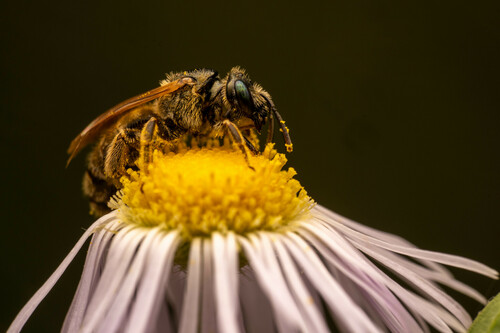
The stäppbandbi faces severe threats from habitat loss and fragmentation caused by agricultural intensification and urban development that eliminate the open grassland environments it requires. Changes in land management practices, including the abandonment of traditional extensive grazing, have further degraded suitable nesting and foraging habitats. Climate change may compound these pressures by altering the environmental conditions and plant communities the species depends upon.
stäppmusseron
VULeucopaxillus paradoxus
stäpprosettmossa
CRRiccia ciliifera
Stäpprosettmossa faces severe threats from habitat loss due to agricultural intensification and urban development in its specialized steppe environments. Climate change poses additional risks through altered precipitation patterns and increased drought frequency, while overgrazing by livestock degrades the fragile soil crusts where this bryophyte establishes.
Star Earthtongue
VUGeoglossum starbaeckii

Star Rosette Lichen
ENPhyscia stellaris

Star-chested Treerunner
VUMargarornis stellatus

Star-tipped Reindeer Lichen
ENCladonia stellaris
starry cup coral
VUAcanthastrea hemprichii
Starry Leaf Frog
ENPhyllomedusa coelestis

Starry Stonewort
VUNitellopsis obtusa
steenrode russula
VURussula rhodella
steenrondbuikje
CRBradycellus csikii
Bradycellus csikii faces severe threats from habitat loss and degradation due to agricultural intensification and urban development across its limited range. The species' specialized habitat requirements and small population size make it extremely vulnerable to environmental changes and human disturbance.
stekelkampoot
VUZelotes longipes
Stellar coral
VUPsammocora stellata
Stellate Orthotrichum Moss
CROrthotrichum stellatum
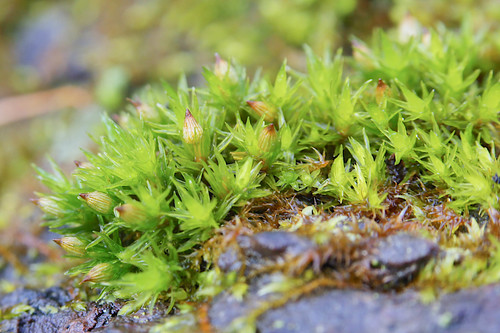
Stellate Orthotrichum Moss faces severe threats from habitat degradation and loss of suitable substrate trees due to deforestation, urbanization, and changes in forest management practices. Air pollution and climate change further compromise this epiphytic species by altering the chemical composition of bark substrates and disrupting the humid microclimate conditions essential for its survival.
Stellately-hairy Bramble
VURubus septentrionalis

stenblocksmott
VUCatastia kistrandella

Steppe grasshopper
ENChorthippus dorsatus
Steppe Truffle
CRGastrosporium simplex
The Steppe Truffle faces severe threats from conversion of native grasslands to agriculture, which eliminates the specific soil conditions and plant partnerships it requires. Overgrazing by livestock compounds these impacts by compacting soils and disrupting the plant communities that support the fungus. Climate change further threatens the species through altered precipitation and temperature patterns that may disrupt its symbiotic relationships.
steppehangmatspin
ENNeriene furtiva
steppekampoot
VUZelotes petrensis
steppekrabspin
CRXysticus bifasciatus
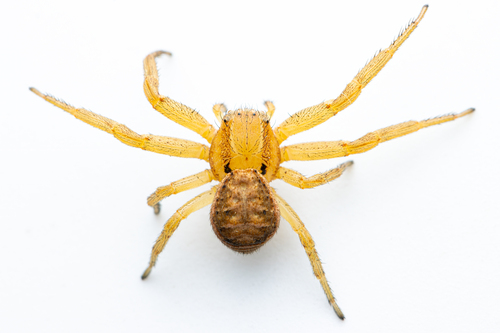
The steppekrabspin faces severe threats from habitat loss and fragmentation due to agricultural intensification and urban development that have destroyed much of its native steppe habitat. Pesticide use in agricultural areas and climate change impacts on grassland ecosystems further threaten the remaining populations.
steppeskiferlav
VULobothallia praeradiosa
steppesvovellav
CRGyalolechia desertorum
Gyalolechia desertorum faces severe threats from habitat degradation due to overgrazing, agricultural expansion, and climate change-induced shifts in precipitation patterns across its arid range. The species' specialized requirements for specific rock substrates and microclimate conditions make it particularly vulnerable to environmental changes. Conservation status may vary by region or assessment authority, but populations continue to decline due to cumulative anthropogenic pressures.
sticky lovegrass
ENEragrostis glutinosa

Stielloser Adermoosling
VUArrhenia lobata
Stiff Quillwort
CRIsoetes echinospora
Stiff Quillwort faces severe threats from habitat degradation and loss of its specialized aquatic environments. The species is particularly vulnerable to water pollution, eutrophication, and changes in water chemistry that alter the pristine conditions required for its survival. Climate change and human activities continue to reduce the quality and availability of suitable oligotrophic lake habitats.
stiftbroktagel
VUBryoria smithii