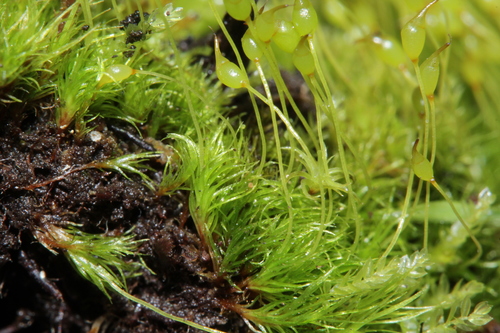
Red-neck Forklet-moss
Dicranella cerviculata
Photo: Photo: HermannSchachner, no known copyright restrictions (public domain)
Overview
A detailed profile for this species is sourced from the IUCN Red List of Threatened Species as assessments become available.
Spur-necked Forklet Moss faces severe threats from habitat degradation and loss due to urbanization, agricultural expansion, and climate change impacts on its specialized microhabitat requirements. The species' extremely limited distribution and specific ecological needs make it highly vulnerable to environmental disturbances and pollution.
Habitat
This moss species typically grows on acidic soil, rotting wood, and rock surfaces in moist, shaded environments including woodland edges, stream banks, and disturbed ground in temperate regions. It requires specific moisture and pH conditions to establish and maintain viable populations.
Other threatened species in Dicranellaceae
Threatened in Åland Islands


Frequently asked questions
Why is Red-neck Forklet-moss classified as Critically Endangered?
Where does Red-neck Forklet-moss live?
What are the main threats to Red-neck Forklet-moss?
Get weekly conservation intelligence
One short digest a week of the most striking species and country data we ship, plus breaking conservation news paired with our database where it matters.
Free, no spam. One-click unsubscribe in every email.