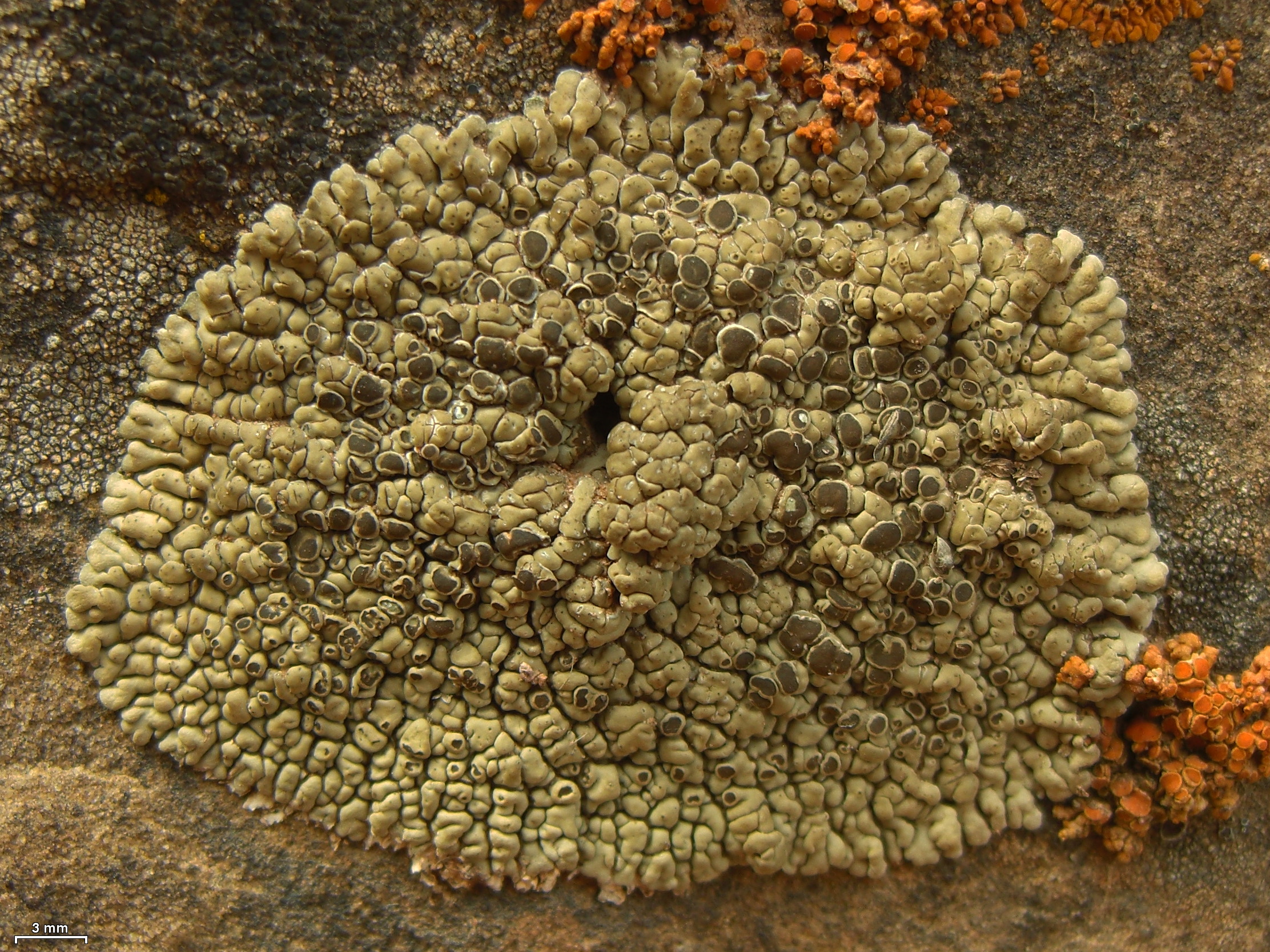
Lobothallia praeradiosa
Photo: Wikimedia Commons (CC) via https://en.wikipedia.org/wiki/Lobothallia_praeradiosa
Overview
A detailed profile for this species is sourced from the IUCN Red List of Threatened Species as assessments become available.
Lobothallia praeradiosa faces severe pressure from agricultural intensification and livestock overgrazing in its steppe habitats, which destroys the specialized soil crust communities where this lichen thrives. Climate change poses an additional threat through altered precipitation patterns and increased drought frequency, disrupting the delicate moisture balance required for lichen growth and reproduction in these arid environments.
Habitat
This lichen species inhabits dry steppe environments and semi-arid grasslands, typically growing on calcareous soils and forming part of specialized biological soil crust communities. It requires specific moisture regimes and soil chemistry found in undisturbed continental steppe ecosystems.
Other threatened species in Megasporaceae

Frequently asked questions
Why is Lobothallia praeradiosa classified as Vulnerable?
Where does Lobothallia praeradiosa live?
What are the main threats to Lobothallia praeradiosa?
Get weekly conservation intelligence
One short digest a week of the most striking species and country data we ship, plus breaking conservation news paired with our database where it matters.
Free, no spam. One-click unsubscribe in every email.