
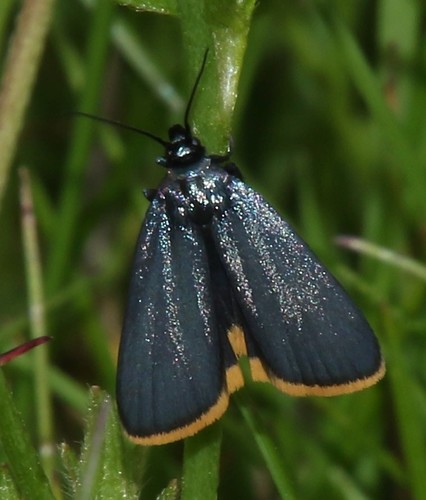
Catastia kistrandella
Photo: Wikimedia Commons (CC) via https://en.wikipedia.org/wiki/Catastia_kistrandella
Overview
A detailed profile for this species is sourced from the IUCN Red List of Threatened Species as assessments become available.
Stenblocksmott faces severe pressure from coastal development and infrastructure projects that destroy its specialized dune and sandy grassland habitats along Scandinavian coastlines. Climate change poses an additional threat through altered precipitation patterns and increased storm intensity, which can dramatically reshape the fragile coastal ecosystems this moth depends on. The species' limited dispersal ability and highly specific larval host plant requirements make population recovery extremely difficult once local extinctions occur.
Habitat
Stenblocksmott inhabits coastal sand dunes, sandy grasslands, and maritime heathlands along the Scandinavian coast, particularly areas with sparse vegetation and exposed sandy substrates. The species requires specific microhabitats with its larval host plants and is typically found in areas with natural coastal dynamics and minimal human disturbance.
Other threatened species in Pyralidae


Threatened in Canada
Frequently asked questions
Why is Catastia kistrandella classified as Vulnerable?
Where does Catastia kistrandella live?
What are the main threats to Catastia kistrandella?
Get weekly conservation intelligence
One short digest a week of the most striking species and country data we ship, plus breaking conservation news paired with our database where it matters.
Free, no spam. One-click unsubscribe in every email.