Species Explorer
Browse and search species from the IUCN Red List and GBIF.
54,666 species
stiftkvistlav
ENFellhaneropsis vezdae
stiftpuslelav
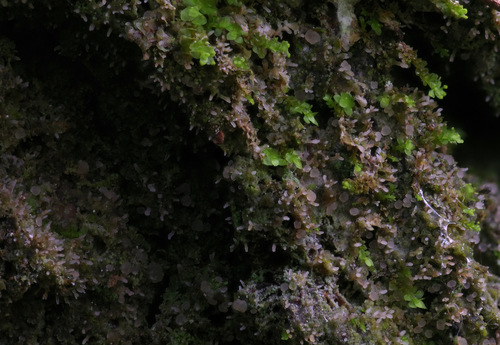
CRMicarea stipitata
Micarea stipitata faces severe threats from air pollution and habitat degradation, particularly in urban and industrial areas where this lichen species struggles to survive. The species is highly sensitive to atmospheric pollutants and changes in substrate quality, making it vulnerable to ongoing environmental pressures across its limited range.
stiftringlav
CRRinodina isidioides
Rinodina isidioides faces severe threats from air pollution and habitat degradation, as this lichen species is highly sensitive to atmospheric contaminants and changes in substrate quality. Urban expansion and industrial activities have significantly reduced suitable habitat, while climate change alters the delicate moisture and temperature conditions required for survival.

Stink Fly
ENCoenomyia ferruginea

Stinking Goosefoot
ENChenopodium vulvaria
Stinkingfish
CRMiconia angustifolia
Miconia angustifolia faces severe threats from habitat destruction due to agricultural expansion, urban development, and deforestation throughout its native range in the Caribbean and Central America. The species' limited distribution and small population sizes make it extremely vulnerable to environmental changes and human activities. Climate change and invasive species further compound these pressures on remaining populations.
stinzenkorst
ENAnisomeridium biforme

stippelsprietspin
VUTibellus maritimus
stjärnnästing
VUEutypella stellulata
stjerneflekklav
VUArthonia stellaris
stjernelav
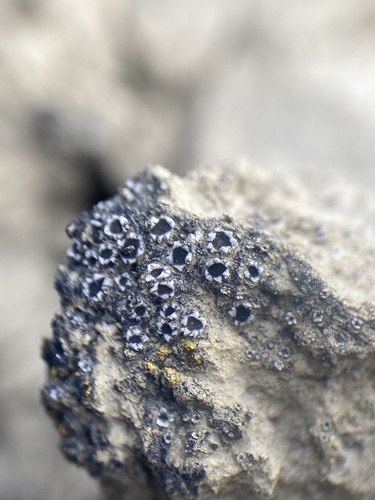
CRGyalidea asteriscus
Gyalidea asteriscus faces severe threats from habitat degradation and loss of suitable substrates in its specialized environments. Air pollution and climate change are significantly impacting the delicate balance required for this lichen species to survive, while its extremely limited distribution makes it particularly vulnerable to local extinctions.
stompcellige geelplaatrussula
VURussula subcristulata

Stone Parsley
ENSison amomum

stone pink
VUDianthus arenarius
Stook Grimmia
CRSchistidium trichodon
Stook Grimmia faces severe threats from habitat degradation and loss due to air pollution, acid rain, and climate change affecting its specialized rocky substrates. The species' extremely limited distribution and small population size make it highly vulnerable to local extinctions from environmental disturbances and human activities in its restricted range.
Stor barktæge
CRAradus conspicuus
Stor barktæge (Aradus conspicuus) faces severe population declines due to habitat loss and degradation of its specialized bark beetle-dependent ecosystems. The species' narrow ecological requirements and limited dispersal ability make it particularly vulnerable to forest fragmentation and changes in host tree availability.
Stor bladrandbille
VUSitona puncticollis
stor blanklav
CREopyrenula septemseptata
Eopyrenula septemseptata faces severe threats from habitat loss due to deforestation and air pollution, which degrades the specific environmental conditions this lichen species requires. As a specialized organism dependent on particular substrate and air quality conditions, it is extremely vulnerable to environmental changes and has limited ability to adapt to rapidly altered ecosystems.
stor brunalgfluga
CRHelcomyza ustulata
The stor brunalgfluga faces primary threats from coastal development and habitat destruction along its narrow range of suitable shoreline environments. Climate change impacts, including sea level rise and increased storm intensity, threaten the specific coastal conditions required for the species' survival. Pollution and human disturbance of seaweed deposits that serve as essential breeding habitat further compromise population viability.
Stor grenkølle
VULentaria subcaulescens
Stor langben
CRLabidostomis tridentata
Stor langben faces severe population declines due to intensive agricultural practices and habitat fragmentation across its European range. The species' specialized feeding requirements on specific host plants make it particularly vulnerable to pesticide use and the loss of traditional farming landscapes that support diverse plant communities.
stor sandrovfluga
CRAntipalus varipes
The stor sandrovfluga (Antipalus varipes) faces severe population declines due to habitat destruction from coastal development and agricultural expansion in its limited range. Climate change-induced sea level rise and increased storm intensity threaten its specialized sandy coastal breeding sites, while pollution from agricultural runoff degrades the quality of remaining habitats.
stor skållav
VUSolorina octospora
stor sönderfallslav
ENBactrospora dryina

stor stinkbrosking
VUGymnopus brassicolens
stor tallpraktbagge
CRChalcophora mariana
Chalcophora mariana faces severe population declines due to habitat loss from deforestation and forest fragmentation, which eliminates the mature deciduous trees essential for its larval development. Climate change and increased frequency of forest fires further threaten remaining populations by altering forest composition and destroying critical breeding habitats.
stor vaxtagging
VUMycoaciella bispora
storblomsterbi
CRMelitta melanura
Melitta melanura faces severe population declines due to widespread habitat loss from agricultural intensification and urban development across its European range. The species' specialized foraging requirements on specific flowering plants make it particularly vulnerable to landscape fragmentation and the loss of traditional extensive farming practices that maintained diverse wildflower meadows.
Storchschnabel-Blattzikade
VUArboridia pusilla
Storchschnabel-Blattzikade
VUHauptidia distinguenda
Storfrugtet gulskivelav
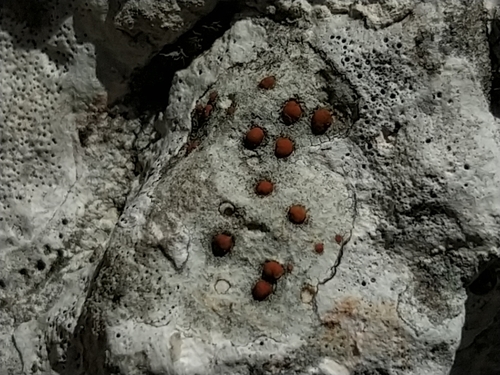
CRProtoblastenia calva
Storfrugtet gulskivelav faces severe threats from habitat degradation and loss due to air pollution, climate change, and human development pressures. As a lichen species with specific substrate and environmental requirements, it is particularly vulnerable to changes in air quality and microclimate conditions that disrupt the delicate balance needed for survival.
storfuktmattevever
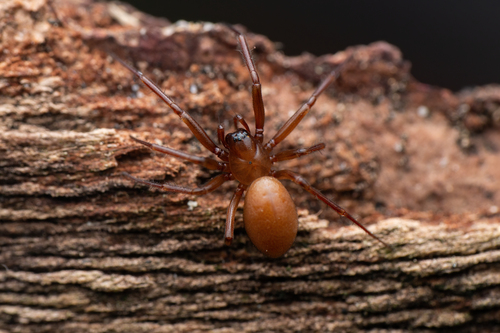
CRAllomengea scopigera
The primary threat to Allomengea scopigera is habitat loss through logging and forest management activities that eliminate the old-growth forest conditions it requires. Climate change compounds these pressures by altering temperature and moisture regimes essential for the species' survival. The extremely limited distribution and habitat fragmentation further increase extinction risk by isolating small populations.
storkorgsfibbla
ENHieracium crassiceps

Storøjet bugsvømmer
VUCymatia coleoptrata

storporig brandticka
CRPycnoporellus alboluteus
Pycnoporellus alboluteus faces severe threats from widespread deforestation and habitat fragmentation across its range, particularly affecting old-growth forest ecosystems essential for its survival. Climate change is altering forest composition and moisture regimes, while logging activities remove the large dead trees this fungus requires as substrate.
större almsplintborre
ENScolytus triarmatus
större asppraktbagge
CRDicerca aenea
The större asppraktbagge faces severe population declines due to the widespread loss and fragmentation of old-growth deciduous forests containing its host trees. Intensive forest management practices and urbanization have eliminated much of the mature aspen and poplar woodland habitat essential for this species' survival. Climate change further threatens remaining populations by altering forest composition and reducing suitable breeding sites.

större bergsyredystermal
ENMonochroa sepicolella

större fältmalörtsrotvecklare
ENCochylidia richteriana
större fläckhavsmandel
ENPhiline catena
större klintsäckmal
CRColeophora brevipalpella
Större klintsäckmal (Coleophora brevipalpella) faces severe threats from habitat loss and degradation of its specialized coastal cliff environments. Climate change poses additional risks through altered vegetation patterns and increased storm intensity affecting its fragile cliff-face habitats, while the species' highly restricted range makes it extremely vulnerable to local extinctions.
större savblomfluga
ENBrachyopa vittata
större spetsnäsa
CRAelia rostrata
Aelia rostrata faces severe population declines due to intensive agricultural practices and widespread habitat loss across its range. The species' specialized feeding requirements and limited dispersal ability make it particularly vulnerable to landscape fragmentation and pesticide use in agricultural areas.

större svartbagge
CRUpis ceramboides
Större svartbagge faces severe threats from habitat loss due to intensive forestry practices that remove the dead and decaying wood essential for its survival. Climate change and forest fragmentation further reduce the availability of suitable old-growth forest habitats, while the species' specialized ecological requirements make it particularly vulnerable to environmental changes.
större vedvivel
VUCossonus parallelepipedus
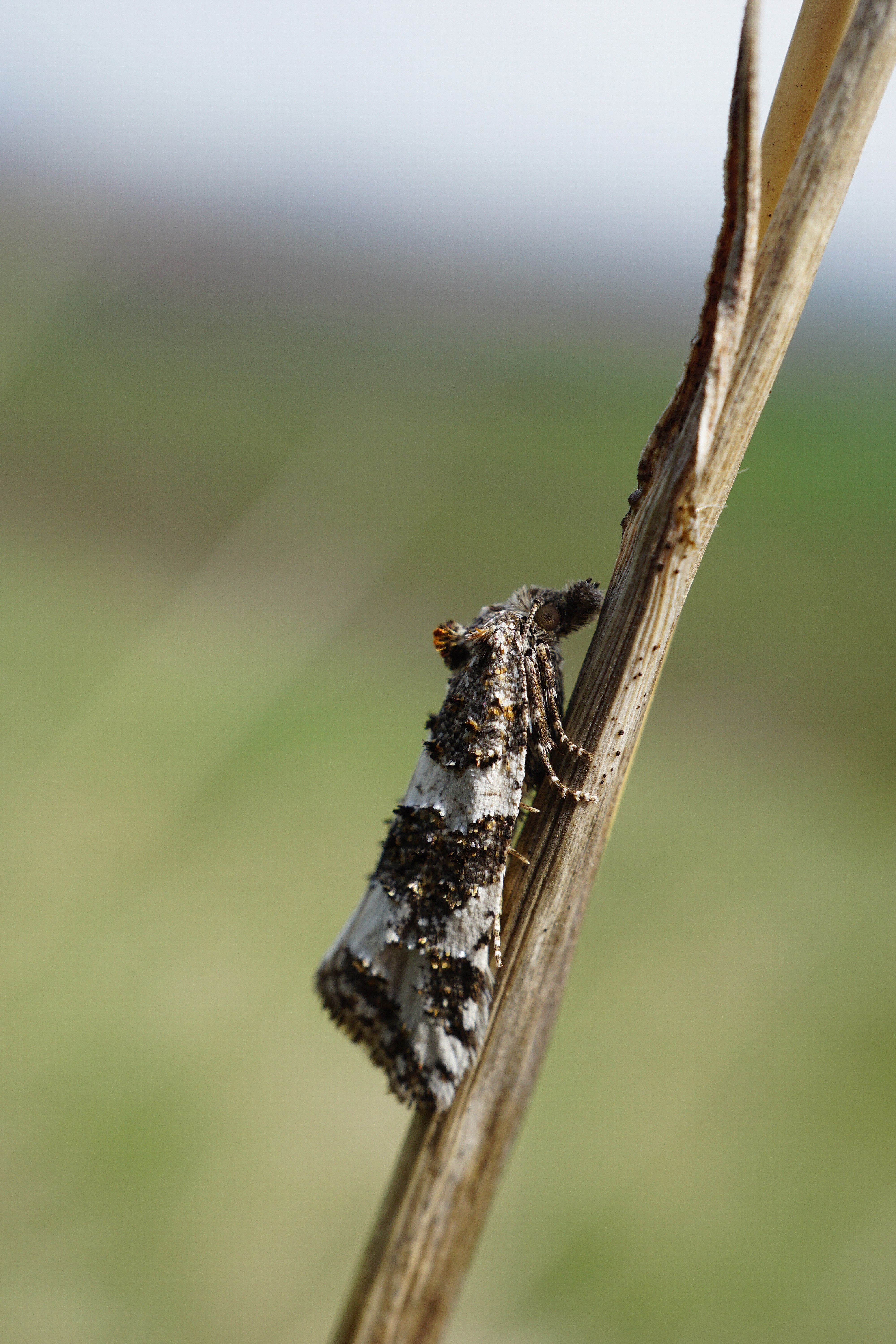
större vitbandvecklare
VUXerocnephasia rigana
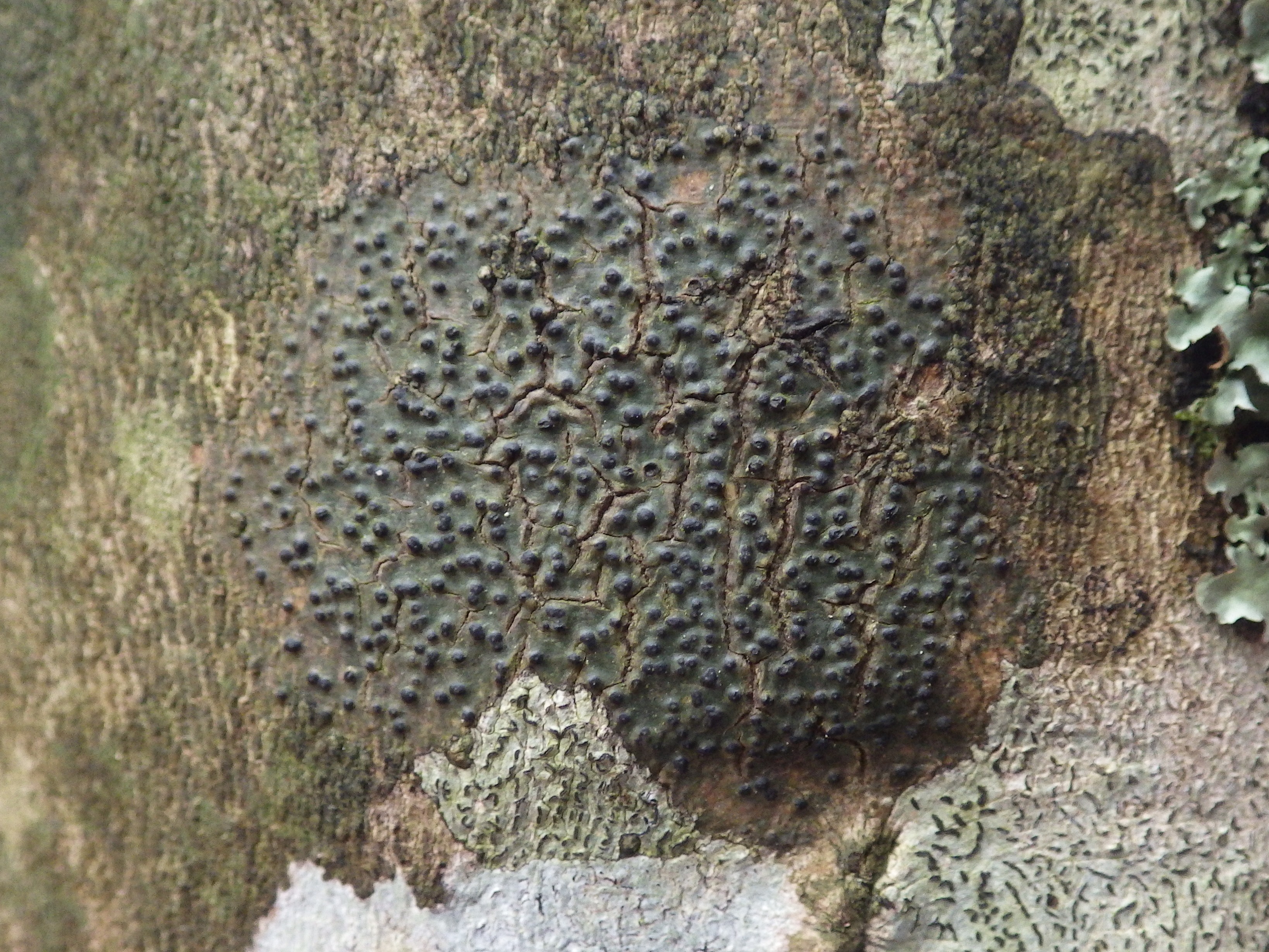
storsporet pærelav
ENPyrenula macrospora
Storsporet rodtrøffel
VUHysterangium stoloniferum
storsporet rurlav
ENThelotrema macrosporum
storsporig päronlav
CRMycoporum antecellens
Storsporig päronlav faces severe threats from air pollution and climate change, which have dramatically reduced suitable habitat conditions across its range. The species' extreme sensitivity to atmospheric nitrogen deposition and sulfur compounds, combined with its slow growth rate and limited dispersal ability, has led to widespread population declines and local extinctions.