
Starry Stonewort
Nitellopsis obtusa
Photo: Wikimedia Commons (CC) via https://en.wikipedia.org/wiki/Nitellopsis_obtusa
Overview
A detailed profile for this species is sourced from the IUCN Red List of Threatened Species as assessments become available.
Starry Stonewort faces severe decline due to eutrophication of freshwater systems, which alters water chemistry and promotes algal blooms that outcompete this charophyte. Agricultural runoff containing nitrogen and phosphorus compounds has degraded many of its historical lake habitats. Water level fluctuations from dam operations and climate change further stress remaining populations by exposing shallow-water colonies to desiccation.
Habitat
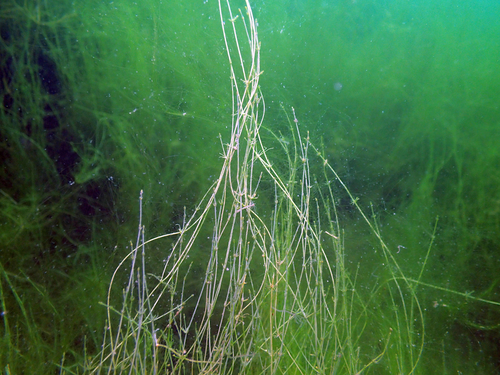
Starry Stonewort inhabits clear, calcium-rich freshwater lakes and slow-moving rivers, typically growing in shallow waters between 1-8 meters depth. This charophyte requires stable substrates with low nutrient levels and forms dense underwater meadows on sandy or muddy lake bottoms.
Other threatened species in Characeae


Frequently asked questions
Why is Starry Stonewort classified as Vulnerable?
Where does Starry Stonewort live?
What are the main threats to Starry Stonewort?
Get weekly conservation intelligence
One short digest a week of the most striking species and country data we ship, plus breaking conservation news paired with our database where it matters.
Free, no spam. One-click unsubscribe in every email.