
Hawthorn Fly
Bibio marci
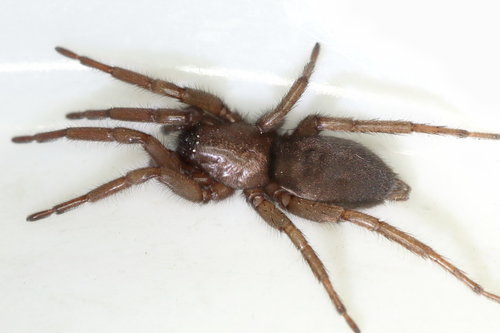
Photo: Wikimedia Commons (CC) via https://en.wikipedia.org/wiki/Bibio_marci
Overview
St. Mark's Fly (Bibio marci)
The St. Mark's fly is a distinctive black dipteran insect measuring 10-12mm in length, characterized by its hairy body and dangling legs during flight. Males are typically smaller and more slender than females, with enlarged eyes that meet at the top of their heads.
These flies emerge en masse around St. Mark's Day (April 25th), creating conspicuous swarms that engage in aerial mating displays. Adults feed on nectar and play important roles as pollinators for various flowering plants, while their larvae decompose organic matter in soil, contributing to nutrient cycling.
This species exhibits an remarkably broad geographic distribution, spanning from Western Europe through Central Asia to parts of East Asia, with isolated populations reported in South America. St. Mark's flies inhabit diverse terrestrial environments including grasslands, woodland edges, gardens, and agricultural areas, typically preferring locations with rich, organic soils suitable for larval development.
Despite its wide range, the species holds a Vulnerable conservation status, though specific threats remain unassessed. The dramatic geographic spread suggests either recent taxonomic confusion or significant ecological pressures affecting local populations differently across regions.
Current conservation measures for this species are not well-documented, reflecting broader gaps in invertebrate conservation planning. The unknown population trend hampers effective management strategies.
The outlook for St. Mark's fly populations remains uncertain due to insufficient monitoring data. The species' broad distribution may provide some resilience, but without comprehensive threat assessment and population monitoring, determining long-term viability across its range proves challenging. Enhanced research into population dynamics and threat identification represents a critical need.
St. Mark's Fly populations face mounting pressure from habitat loss due to agricultural intensification and urban development, which destroys the organic-rich soils essential for larval development. Climate change poses additional threats by disrupting their precisely timed emergence patterns and reducing the availability of suitable breeding substrates.
Habitat
This species inhabits areas with rich, organic soils including woodland edges, hedgerows, gardens, and grasslands where decaying plant matter accumulates. Adults are commonly found near flowering plants in semi-natural habitats and traditional agricultural landscapes with diverse vegetation.
Other threatened species in Bibionidae
Threatened in Åland Islands


Frequently asked questions
Why is Hawthorn Fly classified as Vulnerable?
Where does Hawthorn Fly live?
What are the main threats to Hawthorn Fly?
Get weekly conservation intelligence
One short digest a week of the most striking species and country data we ship, plus breaking conservation news paired with our database where it matters.
Free, no spam. One-click unsubscribe in every email.