Species Explorer
Browse and search species from the IUCN Red List and GBIF.
54,666 species

Spanish Festoon
CRZerynthia rumina
The Spanish Festoon faces severe population declines across its Mediterranean range due to habitat destruction from urban development, agricultural intensification, and infrastructure projects that fragment its specialized breeding areas. Climate change poses additional pressure through altered precipitation patterns and increased drought frequency, while the species' dependence on specific host plants makes it particularly vulnerable to environmental changes.
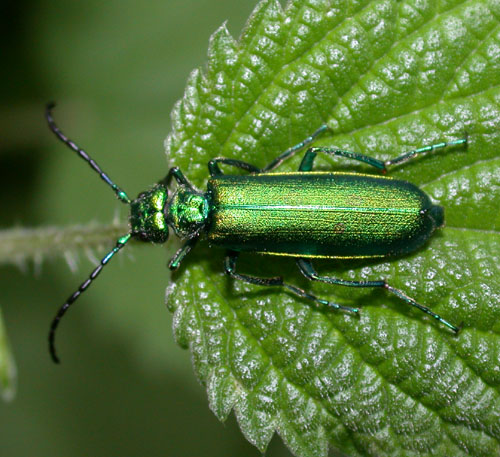
Spanish Fly
CRLytta vesicatoria
The Spanish Fly faces critical threats from widespread habitat loss due to deforestation and agricultural conversion of deciduous woodlands. The decline of ground-nesting bee populations, which serve as hosts for the beetle's parasitoid larvae, further threatens species survival. Climate change may disrupt the specialized feeding relationship between adults and ash trees.
spärgelvivel
VUSibinia pyrrhodactyla
Spathulate Candle Snuffer Moss
CREncalypta spathulata
Spathulate Candle Snuffer Moss faces severe threats from habitat degradation and climate change impacts on its specialized microhabitat requirements. The species' extremely limited distribution and specific ecological needs make it highly vulnerable to environmental changes and human disturbances in its rocky, calcareous substrates.
spåtistelsfjädermott
VUCalyciphora albodactylus
Spatula Oyster
ENHohenbuehelia auriscalpium

Spearmarked Black Moth
ENRheumaptera hastata
Species code: Zp
VUZostera capensis

Speckled Beauty
ENFagivorina arenaria
spenatfibbla
CRHieracium daniciforme
Hieracium daniciforme faces severe population declines due to habitat loss from agricultural intensification and urban development across its limited range. The species' specialized ecological requirements and small, fragmented populations make it extremely vulnerable to environmental changes and local extinctions.
spenslig fjäderstjärna
VUHathrometra tenella
spetsfjällig glandelfibbla
VUHieracium hemidiaphanum
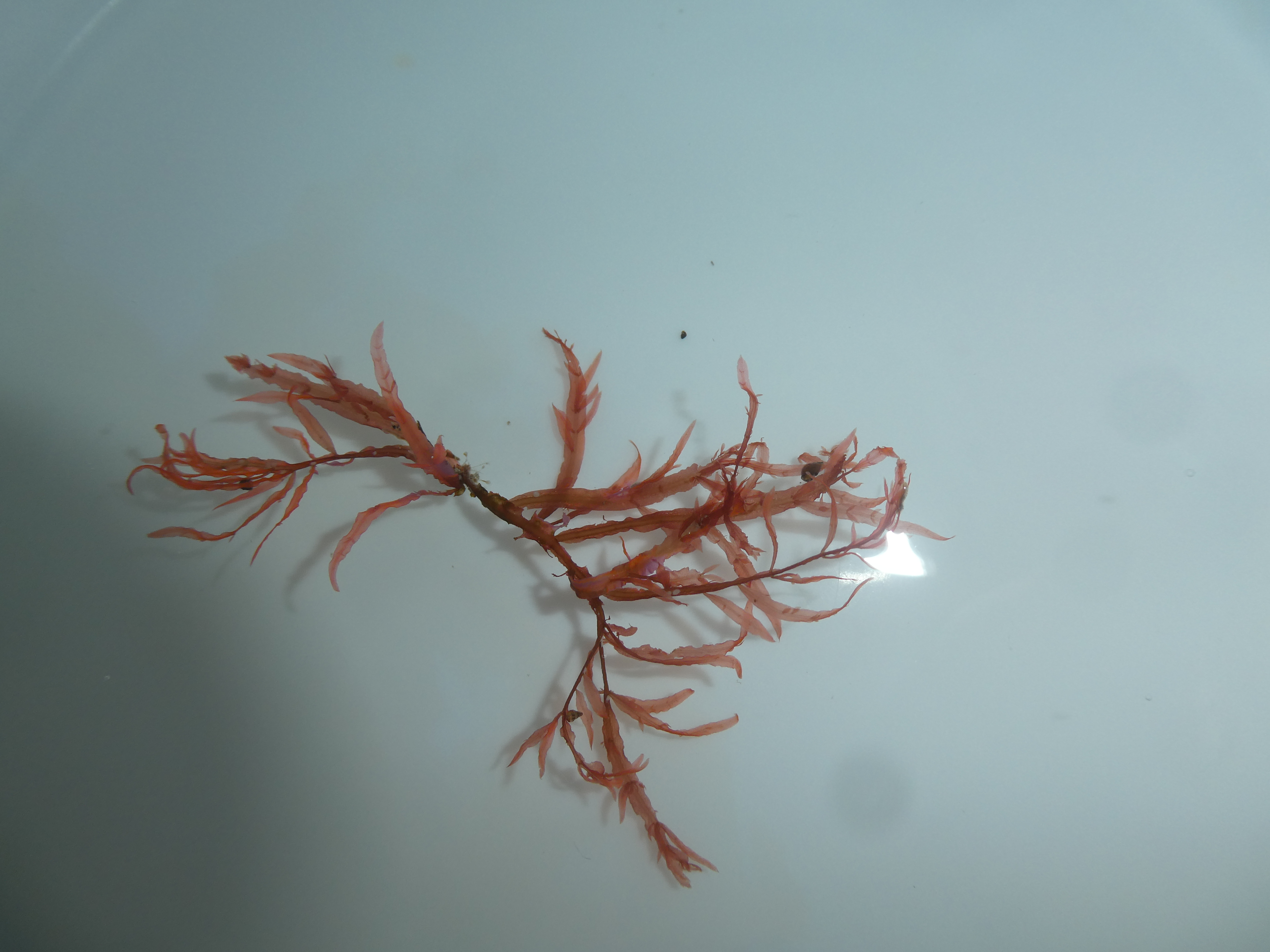
spetsnervblad
VUHypoglossum hypoglossoides
spetstång
VUAcrothrix gracilis

Sphagnum Frog
ENPhiloria sphagnicolus
Spider Weevil
VUExomias araneiformis
Spike Rush Smut
VUParvulago marina

Spiked Speedwell
VUVeronica spicata
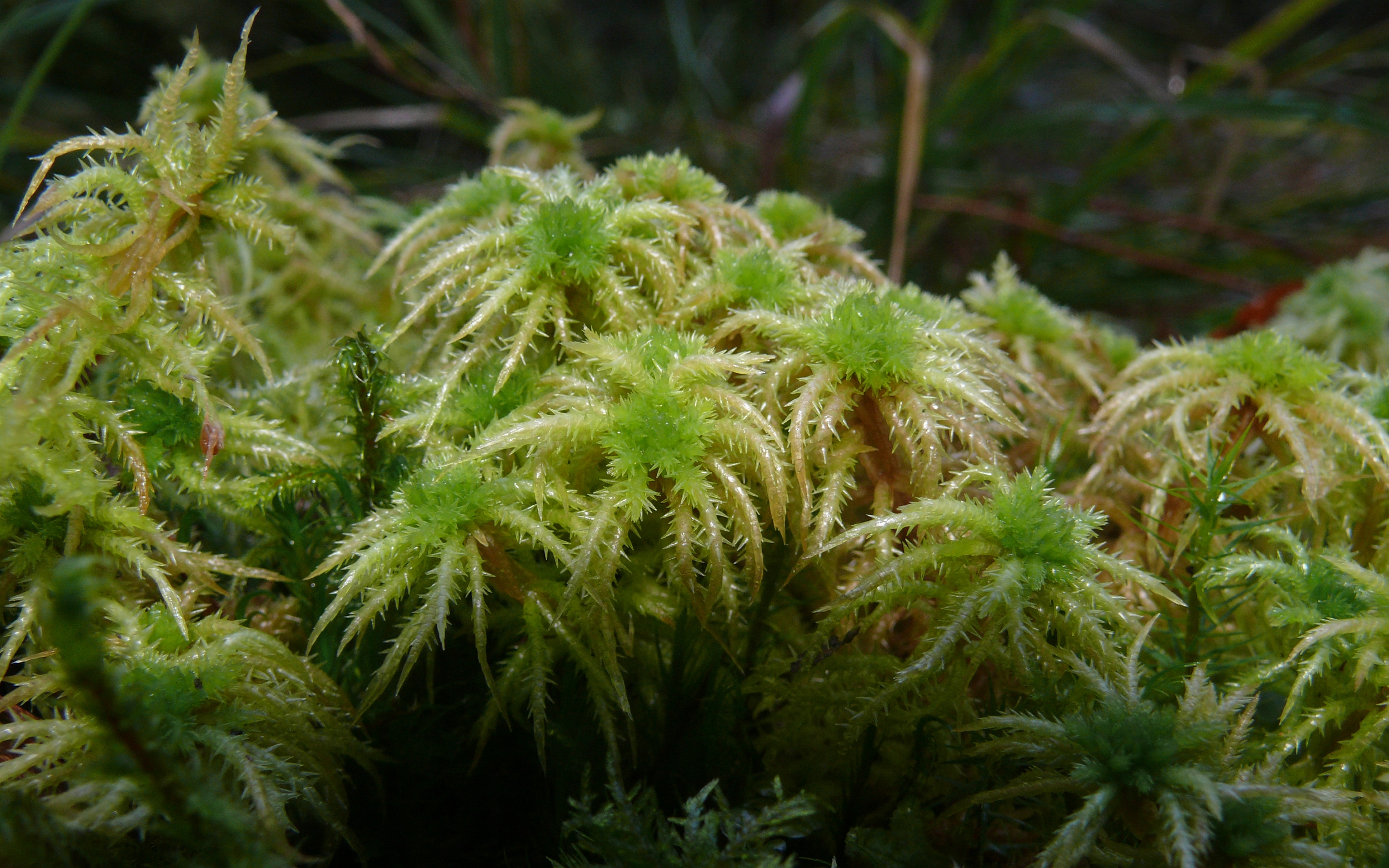
Spiky Bog-moss
VUSphagnum squarrosum
spine coral
ENHydnophora bonsai
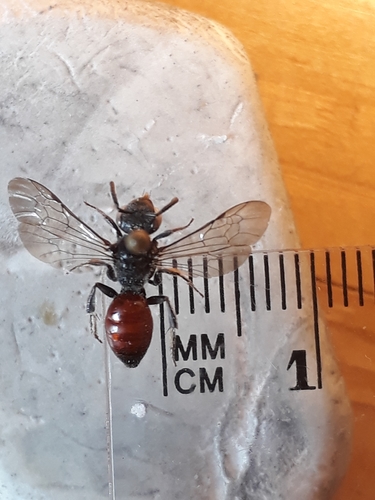
Spined Blood Bee
CRSphecodes spinulosus
The Spined Blood Bee faces severe threats from habitat loss and degradation, particularly the destruction of sandy soil environments essential for both the species and its host bees. Agricultural intensification and urban development have eliminated many suitable nesting sites, while the decline of host bee populations directly impacts this parasitic species.

Spiny Babbler
VUTurdoides nipalensis
Habitat loss from urbanisation of the Kathmandu Valley and surrounding mid-hill towns, clearance of scrubland for terrace agriculture, and overgrazing by livestock are reducing available habitat. Road construction through mid-hill areas fragments remaining populations. Threats are stable but persistent.

Spiny Elm Caterpillar
CRNymphalis antiopa
The Spiny Elm Caterpillar faces severe population declines primarily due to widespread habitat loss from urbanization and agricultural expansion, which has eliminated many of its essential host tree populations. Climate change is altering the timing of seasonal cycles critical for reproduction and overwintering survival, while pesticide use in both agricultural and urban environments directly impacts larval development and adult survival.

Spiny Flower Coral
VUMussa angulosa

Spiny Restharrow
VUOnonis spinosa

Spiny-faced Antshrike
VUXenornis setifrons

Spiral Tasselweed
VURuppia cirrhosa
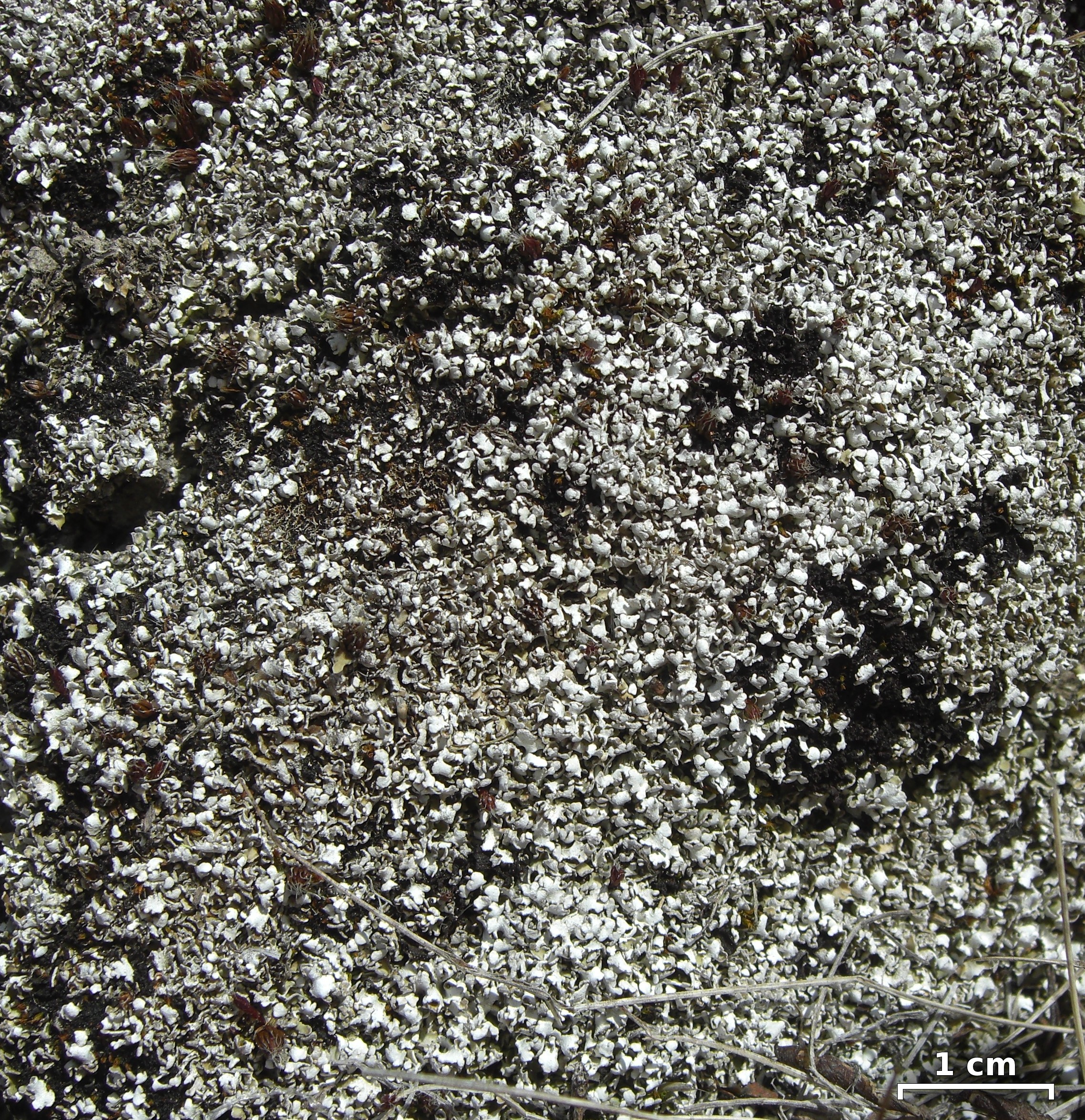
Split-peg Soldiers Lichen
ENCladonia cariosa
spolfibbla
CRHieracium amoenifrons
Hieracium amoenifrons faces severe population declines due to habitat loss from agricultural expansion and urban development in its limited alpine range. Climate change poses an additional critical threat as warming temperatures force this cold-adapted species to retreat to increasingly restricted high-elevation refugia with nowhere left to migrate.

Spot-billed Ground-tyrant
ENMuscisaxicola maculirostris

Spot-winged Parrotlet
VUTouit stictopterus

Spotted Anadia
VUAnadia marmorata
Spotted Bladderwort
CRUtricularia purpurea
Spotted Bladderwort faces severe threats from habitat degradation and loss of suitable aquatic environments. Pollution, eutrophication, and drainage of wetlands for development have significantly reduced available habitat, while climate change alters water chemistry and temperature regimes essential for this specialized carnivorous plant.

Spotted Brittlestem
VUPsathyrella maculata

Spotted Crake
VUPorzana porzana

Spotted Darter
VUSympetrum depressiusculum
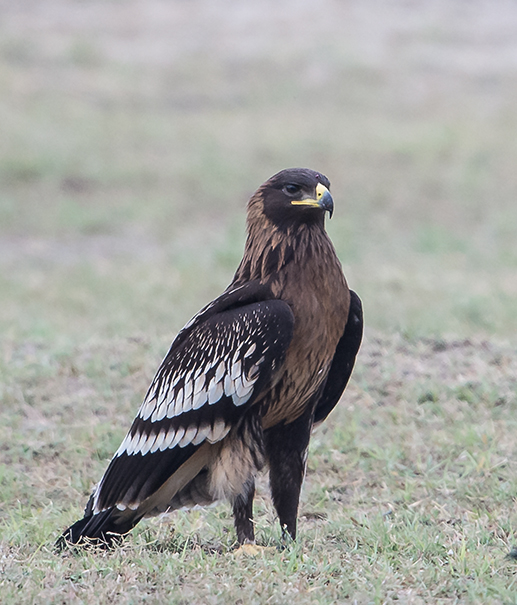
Spotted Eagle
VUAquila clanga

Spotted Fritillary
CRMelitaea didyma
The Spotted Fritillary faces severe population declines across its range due to widespread habitat loss and degradation of traditional grassland ecosystems. Agricultural intensification, urbanization, and changes in land management practices have eliminated much of the species' preferred habitat, while climate change is altering the distribution and phenology of both the butterfly and its host plants.

Spotted Milkcap
CRLactarius scrobiculatus
The Spotted Milkcap faces severe population declines due to widespread habitat loss from deforestation, agricultural expansion, and urban development across its range. Climate change is altering the delicate mycorrhizal relationships this species depends on, while pollution and soil contamination further degrade its forest ecosystems. Conservation status may vary by region or assessment authority.

Spotted Sulphur
CRAcontia trabealis
The Spotted Sulphur faces severe population declines due to widespread habitat destruction from agricultural expansion and urban development across its range. Climate change is altering the distribution and abundance of its host plants, while pesticide use in agricultural areas directly impacts both adult moths and their larval food sources.
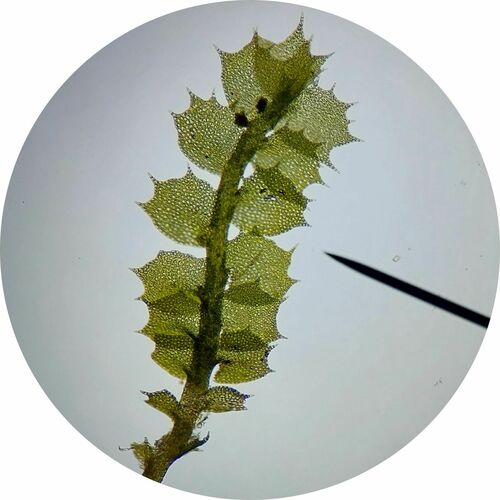
Spotty Featherwort
CRPlagiochila punctata
Spotty Featherwort faces severe threats from habitat destruction due to deforestation, agricultural expansion, and urban development across its limited range. Climate change poses additional risks through altered precipitation patterns and temperature shifts that affect the moist conditions essential for this bryophyte's survival. The species' restricted distribution and specialized habitat requirements make it particularly vulnerable to environmental changes.
Spreading Threadwort
ENCephaloziella divaricata

sprickporing
VUDiplomitoporus crustulinus

Spring Dumbledor
ENTrypocopris vernalis

Spring Elimia
VUElimia pybasii
spring hook moss
VUWarnstorfia pseudostraminea

Spring Pasque Flower
ENPulsatilla vernalis
Spring spawning cisco
CRCoregonus trybomi
Spring spawning cisco faces severe threats from habitat degradation, water pollution, and climate change impacts on cold-water lake ecosystems. The species' specialized spawning requirements and narrow thermal tolerance make it particularly vulnerable to environmental changes and human activities affecting water quality in its limited range.
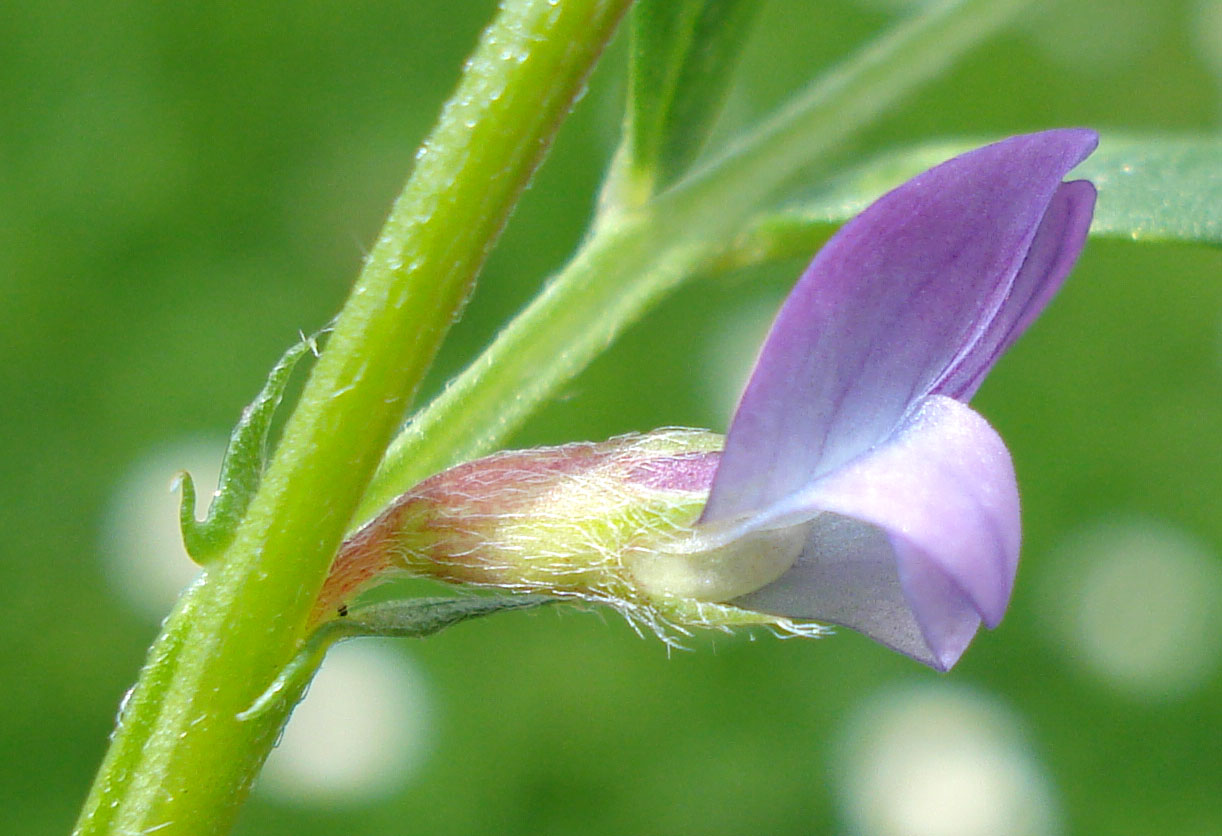
spring vetch
VUVicia lathyroides

Spring-sedge
ENCarex caryophyllea