Caloplaca alstrupii
Overview
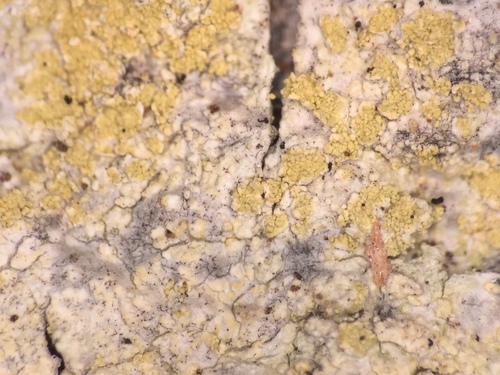
Caloplaca alstrupii is a species of corticolous (bark-dwelling) crustose lichen in the family Teloschistaceae. Found in Denmark, it was described as a new species in 1999 by the lichenologist Ulrik Søchting. It is a member of a group of soredia-producing Caloplaca species that do not produce anthraquinone pigments; lacking these typically colourful pigments, the thallus of lichens in this group is often inconspicuous.
Caloplaca alstrupii is critically endangered due to its extremely limited distribution and vulnerability to habitat degradation. This rare lichen species faces threats from air pollution, climate change, and human disturbance to its specialized coastal rock habitats.
Other threatened species in Teloschistaceae

Frequently asked questions
Why is Caloplaca alstrupii classified as Critically Endangered?
Where does Caloplaca alstrupii live?
What are the main threats to Caloplaca alstrupii?
Get weekly conservation intelligence
One short digest a week of the most striking species and country data we ship, plus breaking conservation news paired with our database where it matters.
Free, no spam. One-click unsubscribe in every email.