
Chamonixia caespitosa
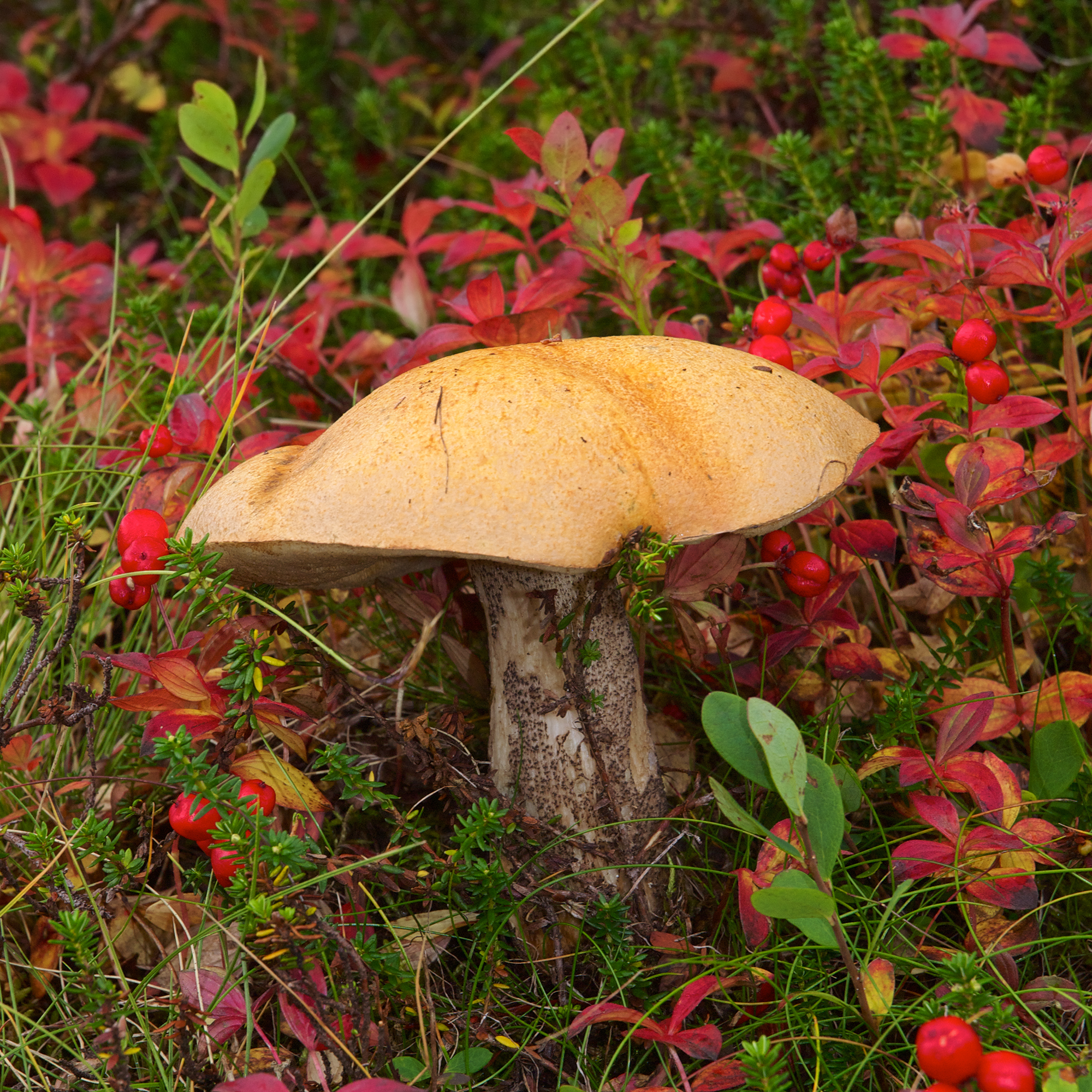
Photo: Wikimedia Commons (CC) via https://en.wikipedia.org/wiki/Chamonixia_caespitosa
Overview
Chamonixia caespitosa is a species of secotioid fungus in the family Boletaceae. It was described as new to science in 1899 by French mycologist Léon Louis Rolland.
Chamonixia caespitosa faces significant threats from habitat degradation and climate change affecting its specialized mycorrhizal relationships with host trees. The species' limited distribution and specific ecological requirements make it particularly vulnerable to environmental changes and forest disturbance.
Habitat
This hypogeous fungus occurs in coniferous and mixed forests, forming ectomycorrhizal associations with tree roots in well-drained, acidic soils. It is typically found in montane forest ecosystems at moderate to high elevations.
Other threatened species in Boletaceae


Frequently asked questions
Why is Chamonixia caespitosa classified as Vulnerable?
Where does Chamonixia caespitosa live?
What are the main threats to Chamonixia caespitosa?
Get weekly conservation intelligence
One short digest a week of the most striking species and country data we ship, plus breaking conservation news paired with our database where it matters.
Free, no spam. One-click unsubscribe in every email.