Acrosathe baltica
Overview
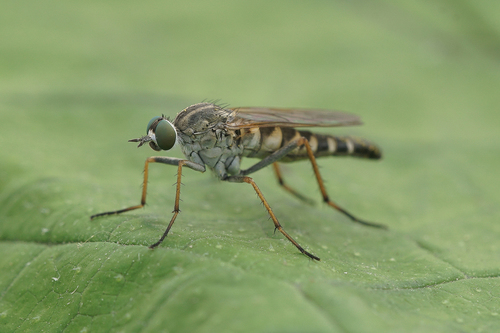
The Baltic sand stiletto fly (Acrosathe baltica) is a specialized predatory dipteran with a distinctive elongated proboscis and slender build, measuring 8-12mm in length with characteristic amber-tinted wings. This species plays a crucial ecological role as both predator and prey, feeding on smaller arthropods in sandy coastal environments while serving as an important food source for coastal birds and spiders.
Acrosathe baltica faces severe population declines primarily due to habitat loss from coastal development and agricultural intensification in its limited Baltic coastal range. Climate change and sea level rise pose additional threats to its specialized sandy coastal habitats, while the species' restricted distribution makes it particularly vulnerable to local extinctions.
Habitat
Acrosathe baltica inhabits loose, well-drained sandy soils within 200 meters of the Baltic Sea coastline, particularly favoring areas with sparse vegetation and organic debris deposits. The species requires specific microhabitats where sand temperature and moisture levels remain stable, typically found in the transition zones between active dunes and established coastal vegetation.
Other threatened species in Therevidae
Threatened in Finland
Frequently asked questions
Why is Acrosathe baltica classified as Endangered?
Where does Acrosathe baltica live?
What are the main threats to Acrosathe baltica?
Get weekly conservation intelligence
One short digest a week of the most striking species and country data we ship, plus breaking conservation news paired with our database where it matters.
Free, no spam. One-click unsubscribe in every email.