Pilosella moechiadia
Overview
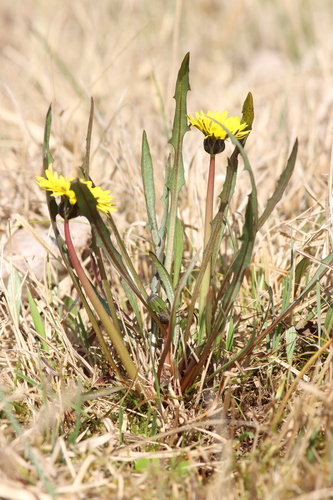
Pilosella moechiadia (bakkesvæve) is a small perennial herb in the sunflower family, characterized by its rosette of hairy, lance-shaped leaves and bright yellow composite flowers that bloom on slender stems. This specialized hawkweed species plays an important role in supporting pollinators in its native Scandinavian ecosystems, particularly serving as a nectar source for various butterfly and bee species during its flowering period.
Pilosella moechiadia faces severe decline primarily due to habitat loss from agricultural intensification and urban development in its limited range. The species is particularly vulnerable due to its restricted distribution and specialized habitat requirements, making it highly susceptible to local extinctions from land use changes.
Habitat
Bakkesvæve inhabits dry, nutrient-poor grasslands and open slopes with well-drained sandy or rocky soils, typically found in coastal areas and inland hills of Scandinavia. The species favors sunny locations with sparse vegetation cover where competition from taller grasses and shrubs is limited.
Other threatened species in Asteraceae

Frequently asked questions
Why is Pilosella moechiadia classified as Endangered?
Where does Pilosella moechiadia live?
What are the main threats to Pilosella moechiadia?
Get weekly conservation intelligence
One short digest a week of the most striking species and country data we ship, plus breaking conservation news paired with our database where it matters.
Free, no spam. One-click unsubscribe in every email.