
Victrix umovii
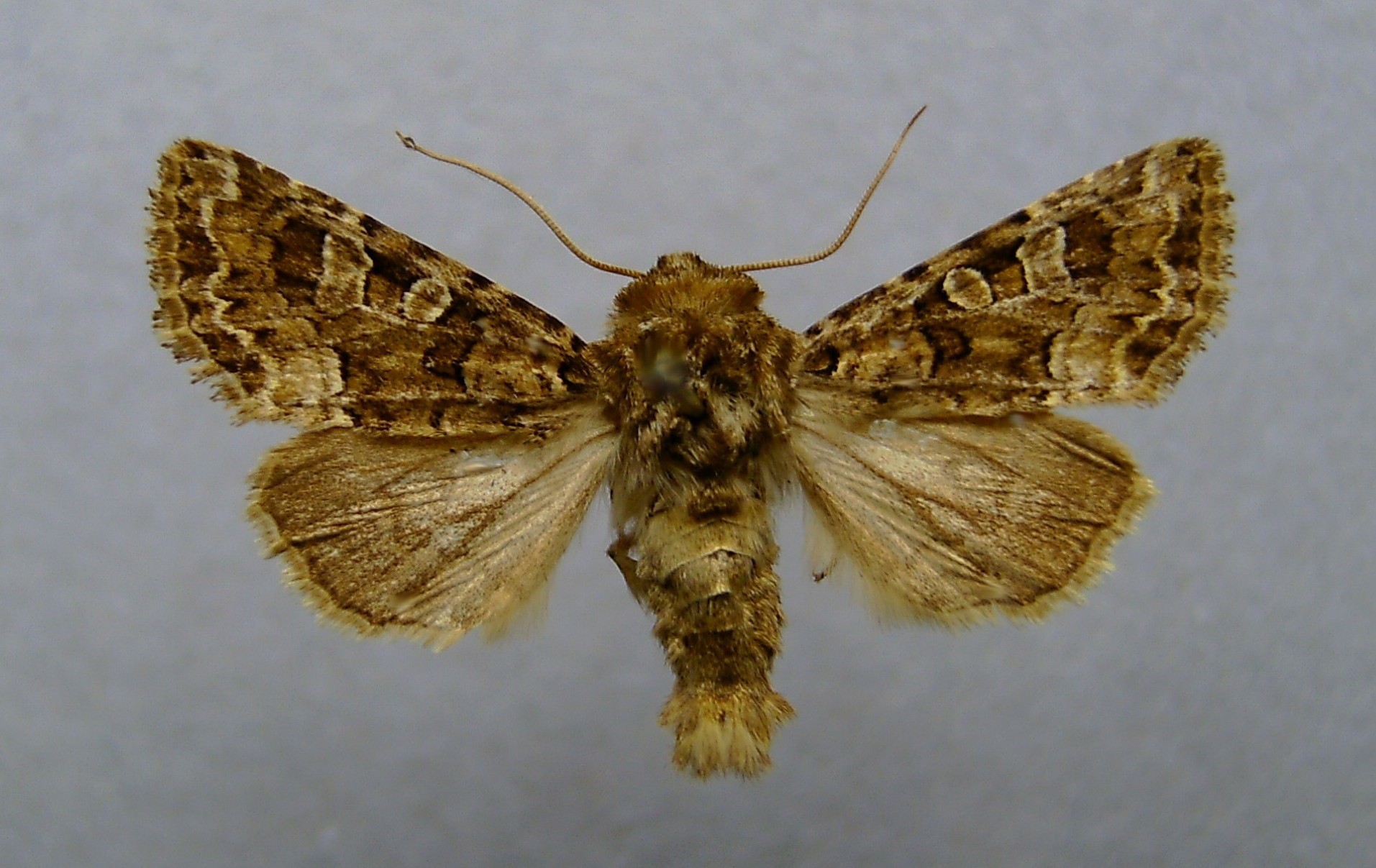
Photo: Wikimedia Commons (CC) via https://en.wikipedia.org/wiki/Victrix_umovii
Overview
Barrskogslavfly (Victrix umovii)
The barrskogslavfly is a critically endangered species of dance fly (family Empididae) endemic to Scandinavia. These small dipterans are characterized by their predatory behavior, capturing smaller insects in flight using their elongated proboscis. As members of the Empididae family, they play a role in controlling populations of midges, mosquitoes, and other small flying insects while also serving as pollinators for certain plant species during their nectar-feeding activities.
This species inhabits old-growth coniferous forests, particularly those dominated by Norway spruce and Scots pine. The name "barrskogslavfly" reflects its association with these boreal forest ecosystems, where it requires specific microhabitat conditions including fallen logs, moss-covered substrates, and the humid microclimate found in undisturbed forest understories.
The primary threat to Victrix umovii stems from intensive forestry practices that have dramatically reduced old-growth forest habitat across Scandinavia. Clear-cutting operations eliminate the complex forest structure and microhabitats essential for the species' survival. Climate change poses an additional threat by altering the temperature and moisture regimes of boreal forests, potentially disrupting the species' life cycle and prey availability.
Current conservation efforts focus on habitat protection within existing nature reserves and the identification of remaining populations through targeted surveys. Forest management guidelines in some regions now incorporate provisions for retaining old-growth characteristics in managed forests.
The species' outlook remains precarious due to continued habitat loss and the unknown status of existing populations. Without comprehensive population assessments and expanded habitat protection, the barrskogslavfly faces an uncertain future.
The specific threats to barrskogslavfly (Victrix umovii) have not been assessed or documented by researchers. Without this threat assessment data, it's impossible to determine what dangers this species faces or how severe they might be. The trend of threats to this species is unknown due to the lack of available information.
Other threatened species in Noctuidae

Frequently asked questions
Why is Victrix umovii classified as Critically Endangered?
Where does Victrix umovii live?
What are the main threats to Victrix umovii?
Get weekly conservation intelligence
One short digest a week of the most striking species and country data we ship, plus breaking conservation news paired with our database where it matters.
Free, no spam. One-click unsubscribe in every email.