CR

Ayua dumosa

Zanthoxylum dumosum

Unknown

Overview

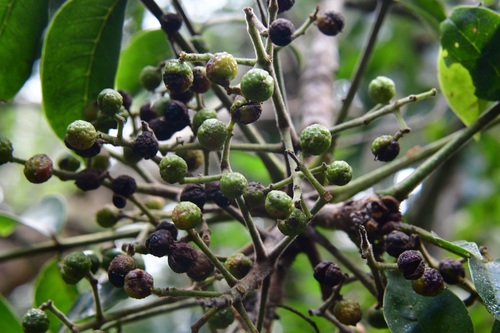
Zanthoxylum dumosum, commonly known as Ayua dumosa, is a critically endangered shrub or small tree belonging to the citrus family Rutaceae. This rare woody plant exhibits the characteristic compound leaves and aromatic properties typical of its genus, with small leaflets arranged along branched stems and tiny, inconspicuous flowers that develop into small, oil-rich fruits. The species is endemic to specific regions of the Caribbean, where it occupies dry forest and scrubland habitats characterized by limestone soils and seasonal rainfall patterns.

Zanthoxylum dumosum typically grows in areas with well-drained, alkaline substrates and can tolerate the harsh conditions of coastal and near-coastal environments. The plant's natural distribution appears to be extremely limited, contributing to its classification as Critically Endangered by the IUCN. Like other members of the Zanthoxylum genus, this species likely plays important ecological roles as a food source for specialized insects and birds that depend on its aromatic compounds and small fruits.

The primary threats to its survival include habitat destruction from urban development, agricultural expansion, and infrastructure projects in its limited range. Climate change poses additional risks through altered precipitation patterns and increased storm intensity in Caribbean ecosystems. Despite its precarious status, recent botanical surveys have confirmed the persistence of small populations, and local conservation groups are working to protect remaining habitat patches.

The species' ability to survive in degraded landscapes offers some hope for recovery if protective measures can be implemented effectively.

Zanthoxylum dumosum faces severe pressure from coastal development and tourism infrastructure expansion throughout its limited Caribbean range, which directly destroys the dry forest and scrubland habitats essential for its survival. Agricultural conversion for livestock grazing and crop cultivation has fragmented remaining populations, while invasive plant species compete for resources in disturbed areas. The species' extremely restricted distribution makes it particularly vulnerable to catastrophic events such as hurricanes, which can eliminate entire populations in a single storm season.

Threat summary

Habitat

Zanthoxylum dumosum inhabits dry forests and scrublands on limestone substrates in Caribbean coastal and near-coastal areas, thriving in well-drained, alkaline soils with seasonal rainfall patterns. The species typically occurs in areas with sparse canopy cover and rocky terrain, often growing alongside other drought-adapted native shrubs and small trees.

Frequently asked questions

Why is Ayua dumosa classified as Critically Endangered?
Ayua dumosa is classified as Critically Endangered — facing an extremely high risk of extinction in the wild — because population sizes are very small, declining sharply, or restricted to a tiny range. Zanthoxylum dumosum faces severe pressure from coastal development and tourism infrastructure expansion throughout its limited Caribbean range, which directly destroys the dry forest and scrubland habitats essential for its survival. Agricultural conversion for livestock grazing and crop cultivation has fragmented remaining populations, while invasive plant species compete for resources in disturbed areas. The species' extremely restricted distribution makes it particularly vulnerable to catastrophic events such as hurricanes, which can eliminate entire populations in a single storm season.
Where does Ayua dumosa live?
Ayua dumosa occurs in across multiple regions. Country-level distribution data is sourced from the IUCN Red List and cross-referenced with GBIF occurrences.
What are the main threats to Ayua dumosa?
The main threats to Ayua dumosa are habitat loss and human disturbance. The full IUCN-classified threat record for this species is detailed on the species page.

Get weekly conservation intelligence

One short digest a week of the most striking species and country data we ship, plus breaking conservation news paired with our database where it matters.

Free, no spam. One-click unsubscribe in every email.