Species Explorer
Browse and search species from the IUCN Red List and GBIF.
54,666 species
Killifish
ENAustrolebias viarius
Austrolebias viarius faces severe threats from habitat destruction due to agricultural expansion, urban development, and wetland drainage in its limited range. The species' dependence on temporary pools makes it particularly vulnerable to hydrological changes and pollution from agricultural runoff.
Killifish
CRAustrolebias cinereus
Austrolebias cinereus faces severe threats primarily from habitat destruction and degradation of its specialized wetland environments. The species' extremely limited distribution makes it particularly vulnerable to local environmental changes and human activities that alter or destroy its temporary pool habitats.
Killifish
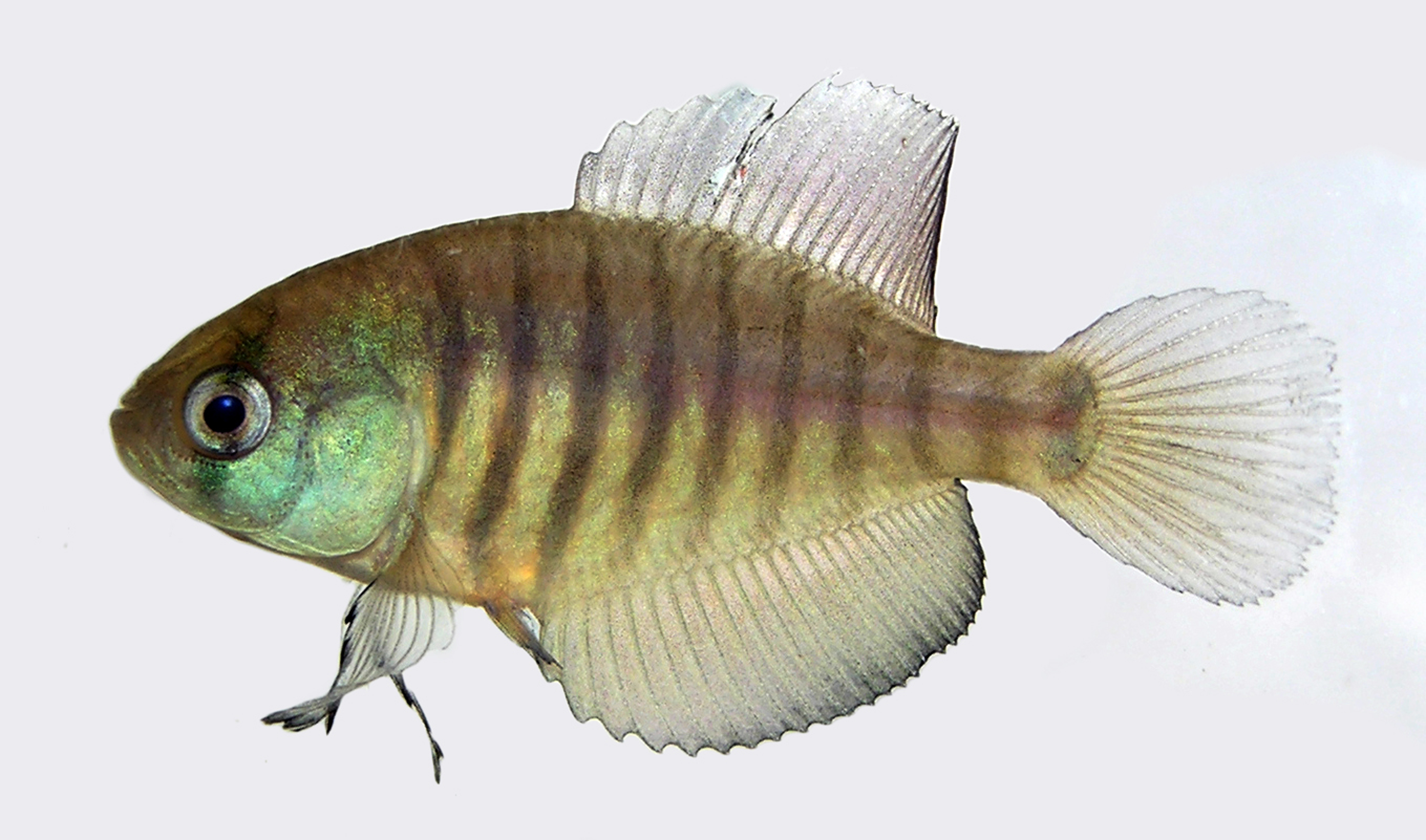
ENAustrolebias adloffi
Austrolebias adloffi faces severe threats from habitat destruction due to agricultural expansion and urban development in its limited range. The species' dependence on temporary pools makes it particularly vulnerable to hydrological changes and pollution from agricultural runoff.
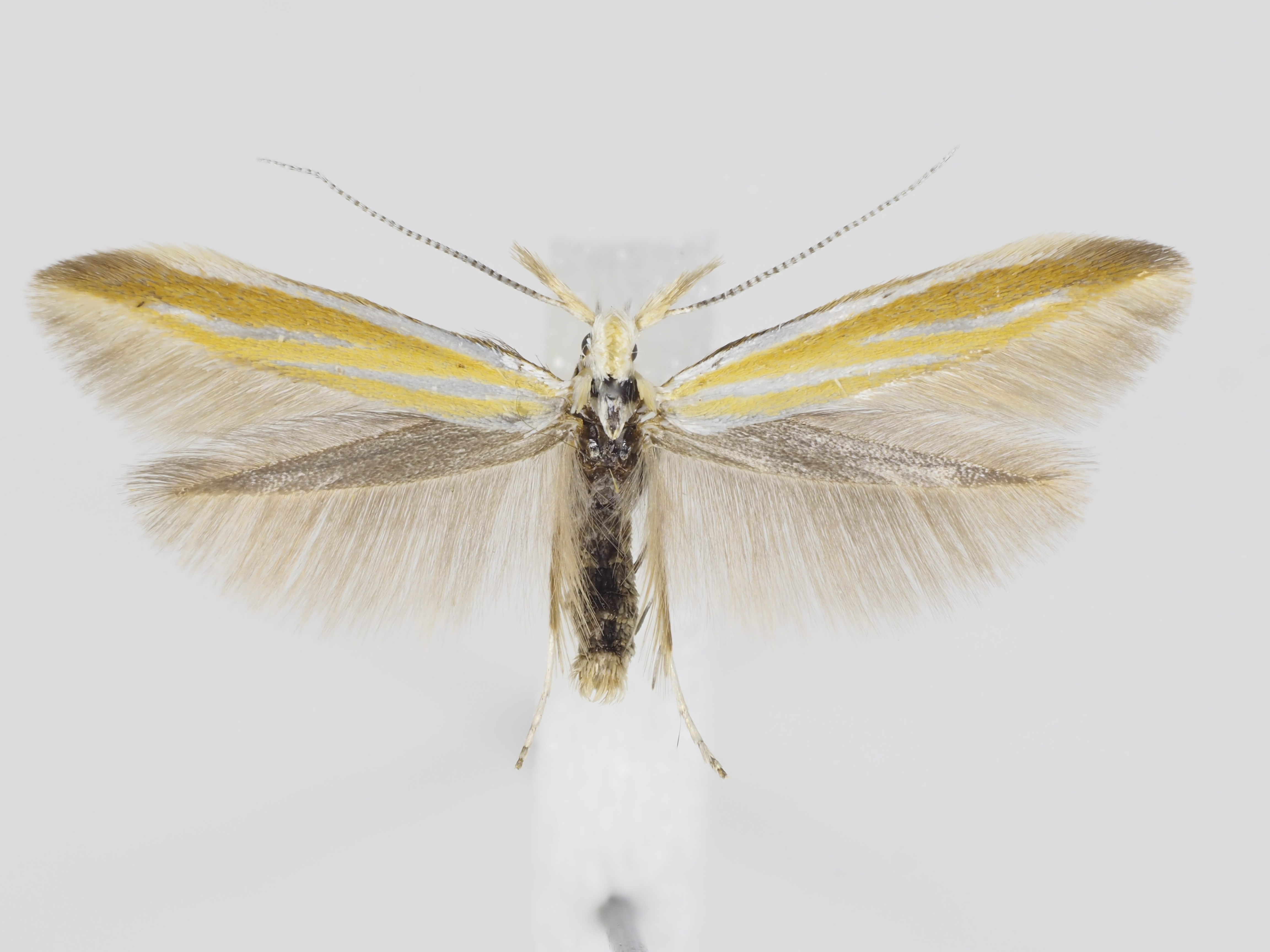
kilstreckad röllikasäckmal
CRColeophora partitella
Coleophora partitella, a small moth species, faces severe population decline primarily due to habitat loss and degradation of its specialized host plant environments. The species' narrow ecological requirements and limited distribution make it extremely vulnerable to environmental changes and human activities that alter or destroy its breeding and feeding sites.

King Alfred's Cakes
VUDaldinia concentrica
Kingsbury's rocket frog
ENAllobates kingsburyi
Kingsbury's rocket frog faces severe population declines primarily due to habitat destruction from deforestation, agricultural expansion, and human settlement development within its limited range in the Amazon basin. The species is particularly vulnerable due to its restricted distribution and specialized habitat requirements, making it highly susceptible to localized threats and environmental changes.
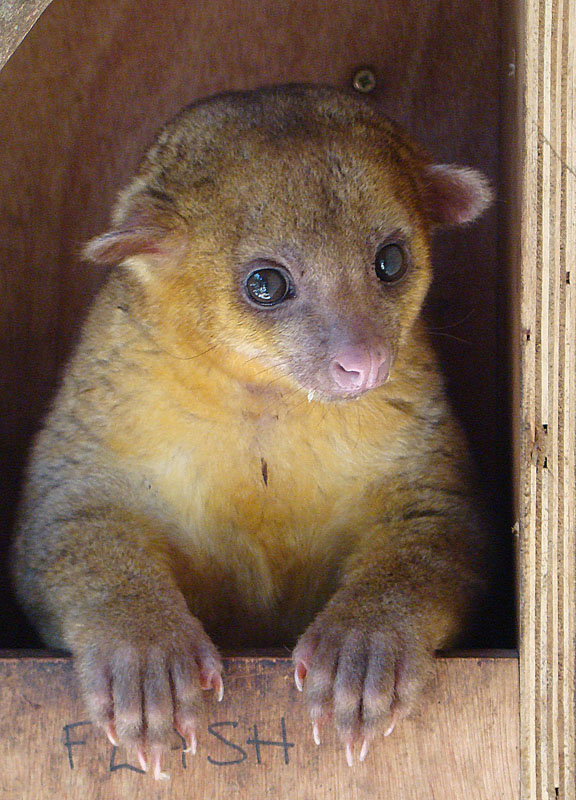
Kinkajou
VUPotos flavus
Kirby's Lesser Mason Bee
VUHoplitis leucomelana
Kirby's Nomad Bee
CRNomada subcornuta
Kirby's Nomad Bee faces severe population decline primarily due to habitat loss and degradation of coastal dune systems where it depends on its host species. The species' highly specialized parasitic relationship with specific host bees makes it extremely vulnerable to any factors affecting host populations, while coastal development and climate change further threaten its remaining habitat.
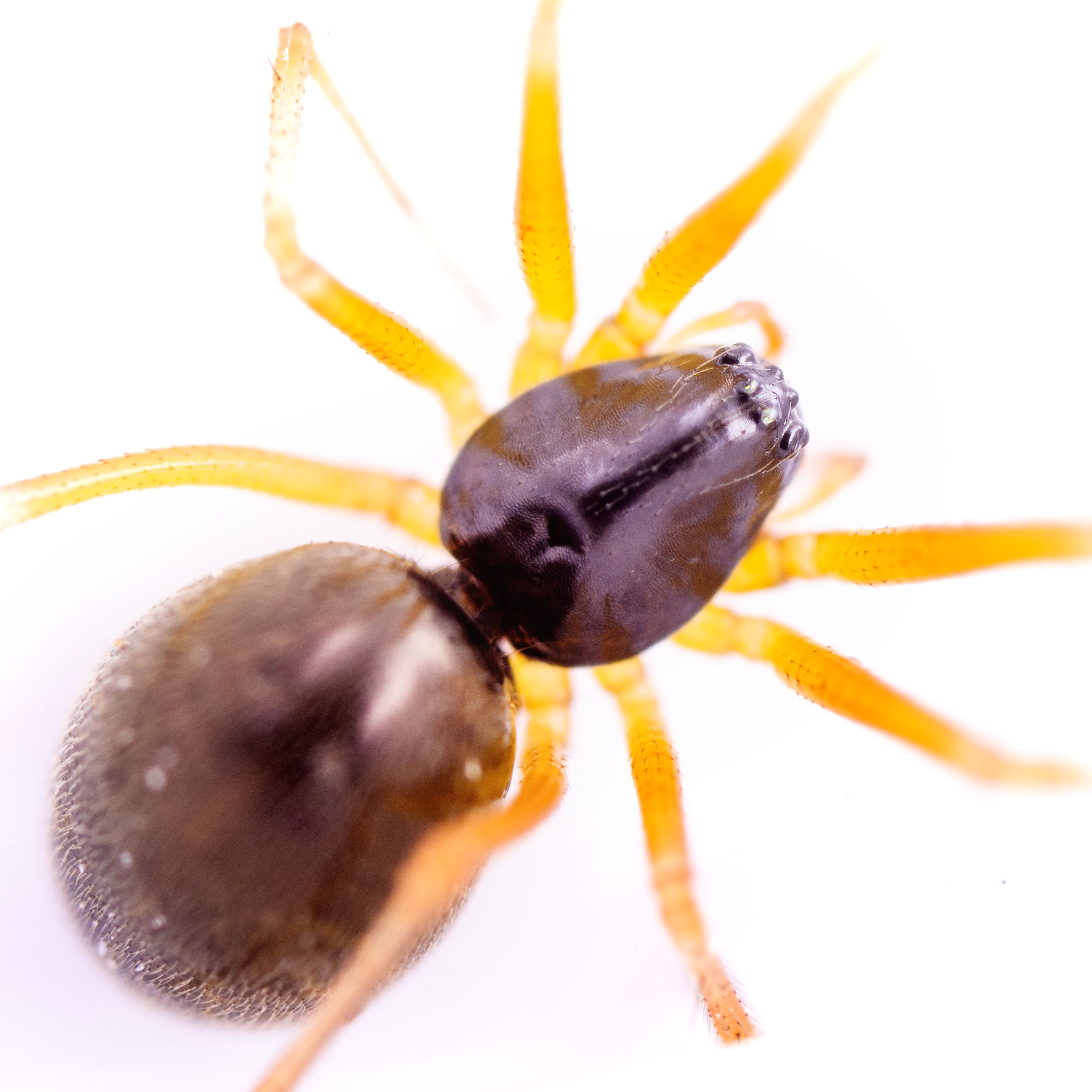
kjerrmattevever
VUKaestneria dorsalis
kleine bombardeerkever
CRBrachinus explodens
The kleine bombardeerkever faces severe population declines due to habitat destruction from agricultural intensification and urban development across its limited range. Climate change is altering the moisture and temperature conditions of its specialized microhabitats, while pollution from pesticides and industrial activities further degrades the soil ecosystems it depends upon.

kleine bostrechterspin
ENCryphoeca silvicola
The kleine bostrechterspin (Cryphoeca silvicola) is declining primarily due to habitat loss and fragmentation of old-growth forests. Intensive forestry practices and urbanization have reduced the availability of suitable microhabitats, particularly the specific bark crevices and deadwood structures this species requires for survival.
kleine bronzweefvlieg
VUSphegina verecunda
Kleiner Scheibenbovist
VUDisciseda candida
Kleiner Wurzelschnitzling
ENPhaeocollybia arduennensis
Phaeocollybia arduennensis faces severe decline due to habitat loss from deforestation and forest fragmentation in its limited range. The species is particularly vulnerable to changes in forest composition and soil chemistry that affect its mycorrhizal relationships with host trees.
kleinoogzweeppalpspin
ENMastigusa arietina
Mastigusa arietina faces severe population declines primarily due to habitat destruction from urban development and agricultural expansion in its limited Mediterranean range. The species' highly specialized microhabitat requirements and small population size make it extremely vulnerable to environmental changes and human disturbance.
Kleinsporige Schleimtrüffel
VUAlpova diplophloeus
klibbtickvinge
VUPhymatura brevicollis

Klintoldenborre
ENOmaloplia nigromarginata
Klintoldenborre (Omaloplia nigromarginata) faces severe population declines primarily due to habitat loss from agricultural intensification and urban development in its limited range. The species' specialized habitat requirements and restricted distribution make it particularly vulnerable to environmental changes and fragmentation.
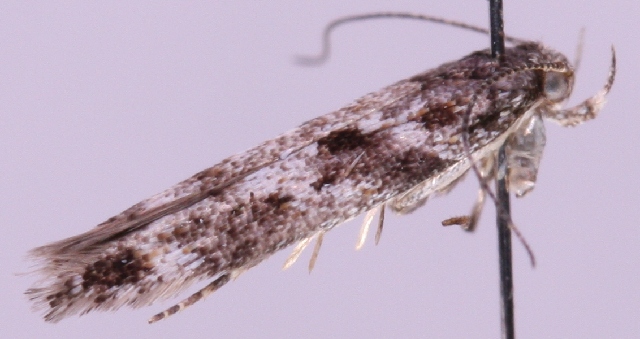
klipparvmal
ENCaryocolum petrophila
The klipparvmal (Caryocolum petrophila) is declining primarily due to habitat loss and degradation of its specialized rocky coastal environments. Climate change and sea level rise pose additional threats to its narrow coastal habitat range, while the species' extremely limited distribution makes it vulnerable to local extinctions.
klippdropplav
CRCliostomum tenerum
Cliostomum tenerum, a crustose lichen species, faces severe population declines primarily due to habitat loss and degradation from human activities. Air pollution, particularly nitrogen deposition and sulfur compounds, significantly impacts this pollution-sensitive species. Climate change is altering the specific microhabitat conditions this lichen requires for survival.
klippebåtmøll
CRScrobipalpa reiprichi
The klippebåtmøll faces severe threats from climate change impacts including sea level rise and increased coastal storm activity that directly affect its specialized cliff habitat. Coastal development and human disturbance further reduce available habitat for this extremely range-restricted species.
klippmarkspindel
VUEchemus angustifrons
klippzonlav
ENEnterographa hutchinsiae
Enterographa hutchinsiae faces severe threats from habitat destruction due to coastal development and climate change impacts on its specialized rocky shore environments. Air pollution and acid rain are particularly damaging to this lichen species, while sea level rise threatens its narrow coastal habitat range.
Klit-øjentrøst
CREuphrasia dunensis
Euphrasia dunensis is critically endangered due to severe habitat loss and degradation of its specialized coastal dune ecosystems. The species faces ongoing threats from coastal development, recreational pressure, and changes in natural dune dynamics that have dramatically reduced suitable habitat across its limited range.
Klitguldbille
CRChrysolina carnifex
Chrysolina carnifex, the Klitguldbille, is critically endangered primarily due to habitat loss and degradation of its specialized coastal dune and grassland environments. The species has experienced severe population declines as coastal development and agricultural intensification have destroyed much of its remaining habitat in Denmark and surrounding regions.
Klithede-maskesvirreflue
ENParagus finitimus
Paragus finitimus, the Klithede-maskesvirreflue, faces severe population declines primarily due to habitat loss from agricultural intensification and urban development in its limited range. The species' specialized habitat requirements and small population size make it particularly vulnerable to environmental changes and fragmentation of suitable breeding sites.
klittvargspindel
CRAlopecosa cursor
Alopecosa cursor, the klittvargspindel, is critically endangered primarily due to habitat loss and degradation of its specialized coastal cliff and rocky shore environments. The species has an extremely limited distribution and small population size, making it highly vulnerable to environmental changes and human disturbance in its restricted habitat.
klocksolbi
ENDufourea inermis
Dufourea inermis faces severe population declines primarily due to habitat loss from agricultural expansion and urban development in its limited range. Climate change and pesticide use in agricultural areas further threaten remaining populations of this specialized bee species.
klokhoedsatijnzwam
VUEntoloma velenovskyi

klosterlav
VUBiatoridium monasteriense

klöversobermal
ENAnacampsis fuscella
Anacampsis fuscella faces significant population declines primarily due to habitat loss from agricultural intensification and urbanization of its specialized grassland and heathland environments. Climate change is altering the phenology of its host plants, disrupting critical breeding cycles, while pesticide use in agricultural areas directly impacts both adult moths and their larval food sources.

knappsävsvivel
VUThryogenes nereis

Knapweed case-bearer
CRColeophora conspicuella
The Knapweed case-bearer (Coleophora conspicuella) is critically endangered primarily due to habitat loss and degradation of its specialized chalk grassland environments. The species depends on specific host plants in the knapweed family, making it extremely vulnerable to changes in grassland management and agricultural intensification.

Knapweed Fritillary
CRMelitaea phoebe
The Knapweed Fritillary faces severe population declines primarily due to habitat loss and degradation of its specialized grassland ecosystems. Agricultural intensification, urbanization, and changes in land management practices have eliminated much of the species' required habitat containing its host plants. Climate change and habitat fragmentation further threaten the remaining isolated populations.
knausedderkopp
VUTrichopterna cito
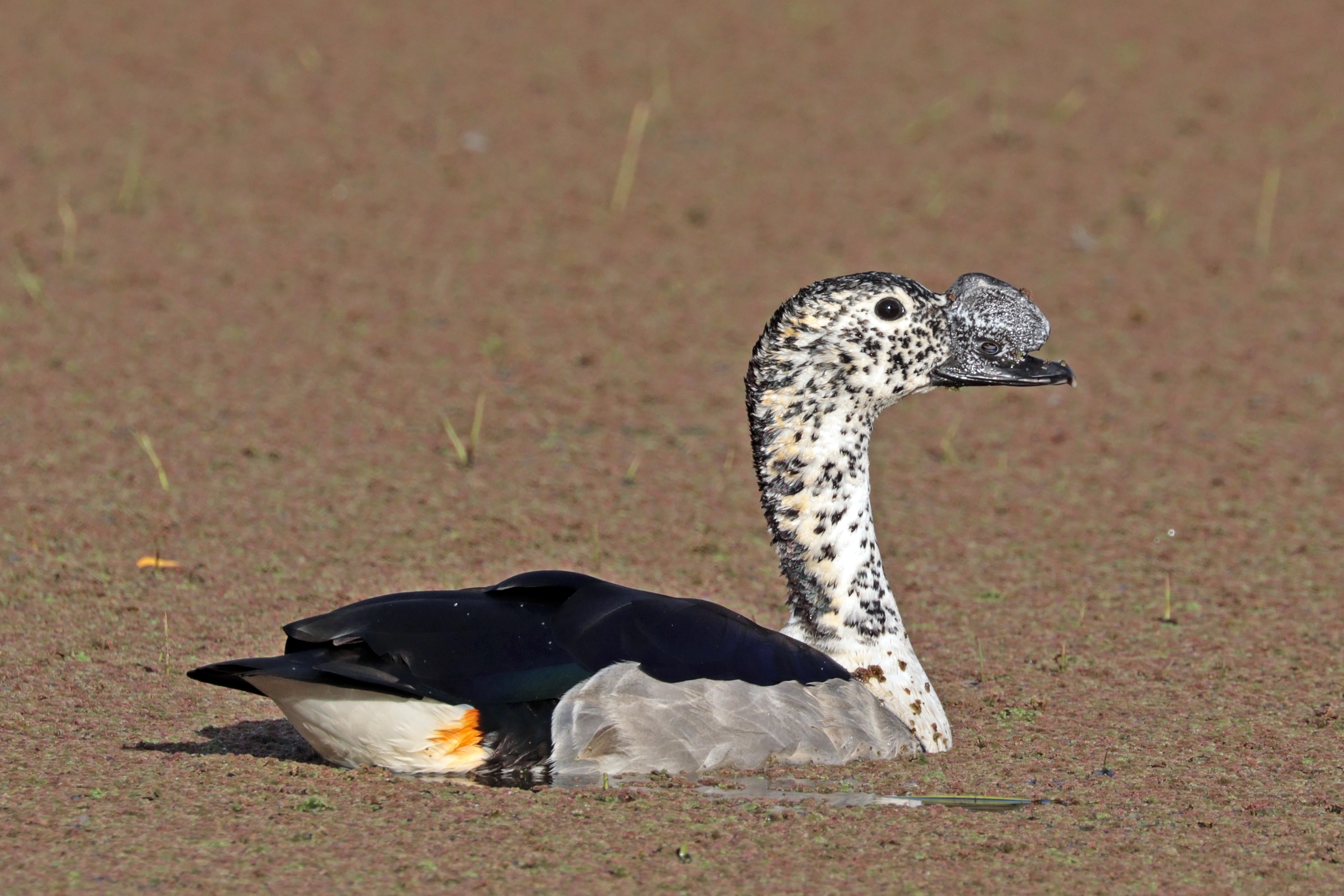
Knob-billed Duck
ENSarkidiornis melanotos
The Knob-billed Duck faces severe population declines primarily due to widespread habitat loss from agricultural expansion and wetland drainage across its range. Hunting pressure and human disturbance at breeding and roosting sites further compound these threats, while climate change increasingly affects water availability in critical wetland habitats.
knölfotad bananspindling
VUCortinarius bulbopodius

knölsyskevivel
VUThamiocolus viduatus

knopjesschildmos
CRParmelina pastillifera
Parmelina pastillifera, known as knopjesschildmos, is critically endangered primarily due to habitat loss from urbanization and agricultural expansion in its limited range in South Africa. Air pollution and climate change are exacerbating the decline of this sensitive lichen species, which requires specific environmental conditions to survive.
knoppanemon
VUSideractis glacialis
knopphodeedderkopp
ENWalckenaeria nodosa
Walckenaeria nodosa faces significant threats from habitat loss and degradation due to agricultural intensification and urban development in its limited range. Climate change and associated shifts in microhabitat conditions pose additional risks to this specialized spider species with restricted distribution.
knøttalvmattevever
VUMaro minutus
knøttspydedderkopp
VUSilometopus elegans

Knotweed Neb, Persicaria Borer
VUMonochroa hornigi
knubbfrölöpare
CRHarpalus picipennis
Harpalus picipennis faces severe population declines primarily due to habitat loss from agricultural intensification and urban development in its limited range. The species' specialized habitat requirements and small population size make it extremely vulnerable to environmental changes and local extinctions.

Kodkod
VULeopardus guigna
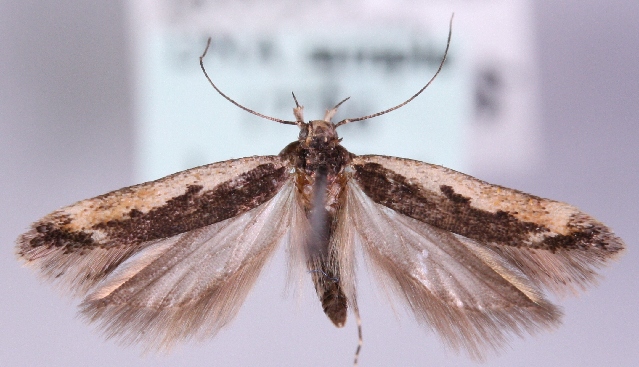
Koekoeksbloempalpmot
CRCosmardia moritzella
Cosmardia moritzella, the Koekoeksbloempalpmot, is critically endangered primarily due to habitat loss and degradation of its specialized host plant environments. The species has an extremely limited distribution and appears to be dependent on specific ecological conditions that are increasingly threatened by human activities and environmental changes.

Kohlen-Mürbling
ENPsathyrella pennata
The primary threats to Kohlen-Mürbling include habitat fragmentation and loss of old-growth forest ecosystems where it depends on specific decaying wood substrates. Climate change poses additional risks through altered precipitation patterns and temperature fluctuations that disrupt its sensitive reproductive cycles and mycelial development.
kolhjälmspindel
VUDipoena braccata