Knob-billed Duck
ENEndangered

Knob-billed Duck

Sarkidiornis melanotos

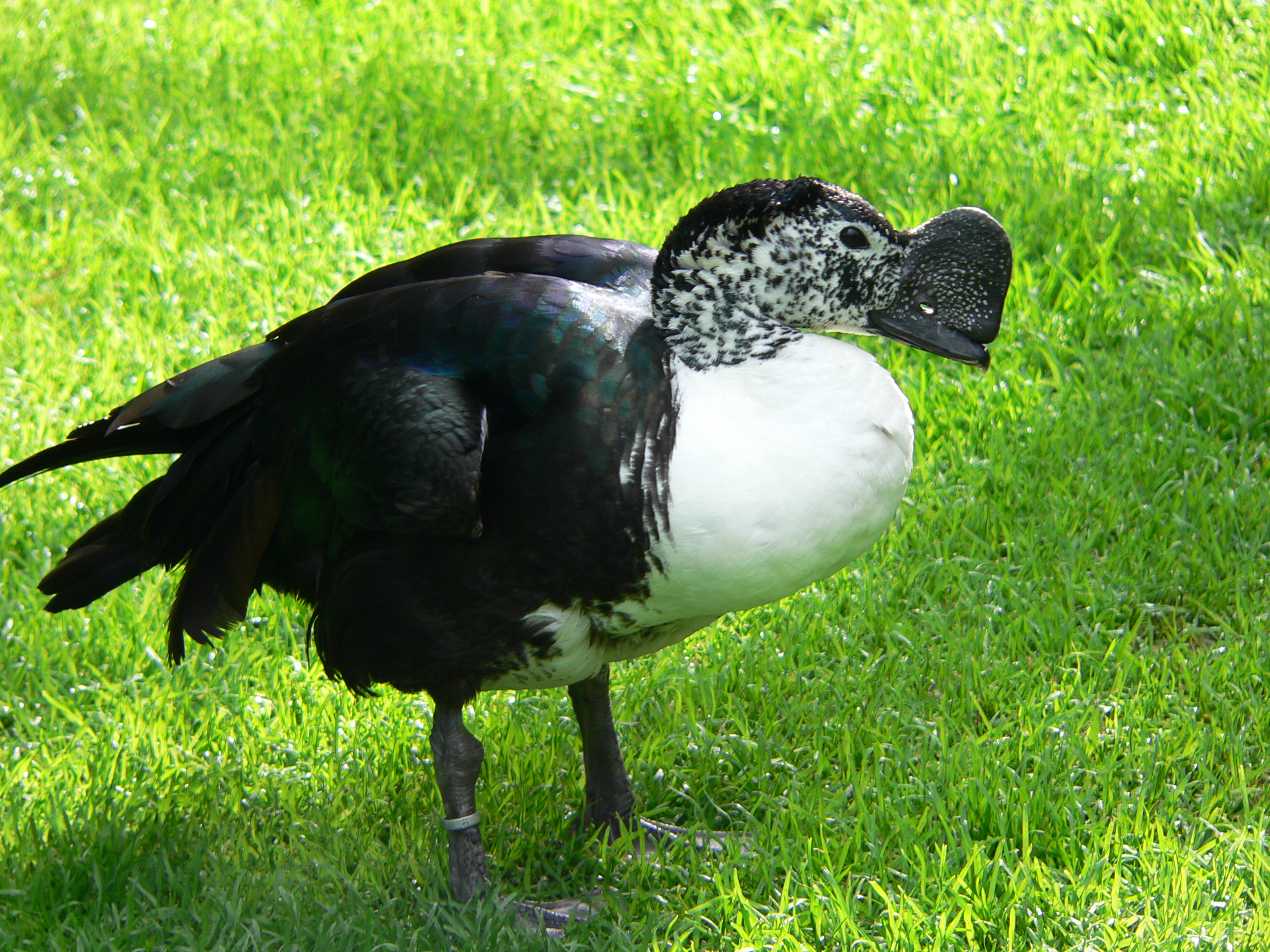
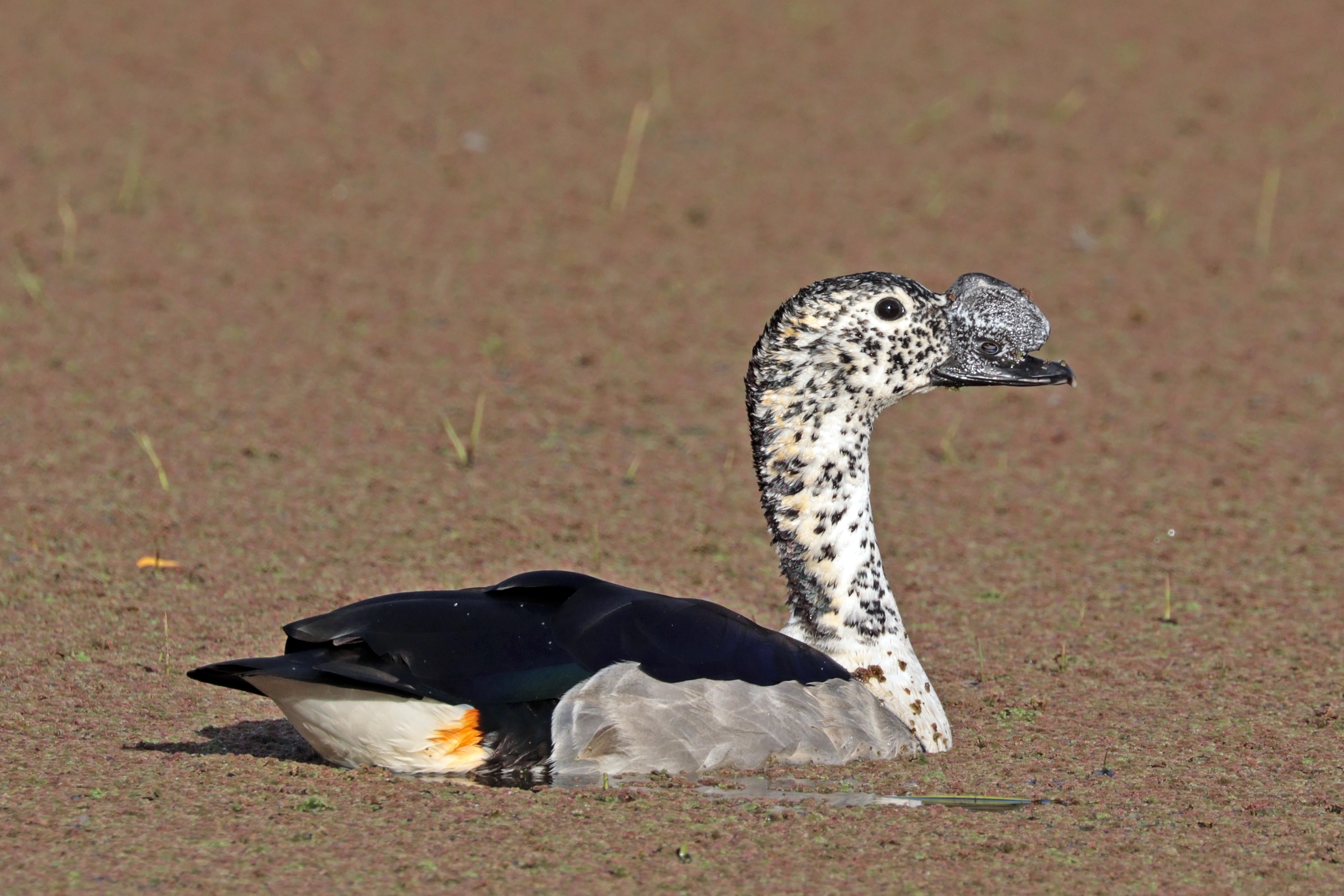
The knob-billed duck or African comb duck is a type of duck found along the tropical/sub-tropical wetlands and waterways of Sub-Saharan Africa and the island of Madagascar, as well as most of South Asia and mainland Indochina.

Photo: Wikimedia Commons (CC) via https://en.wikipedia.org/wiki/Knob-billed_duck

01Classification

Taxonomy & Classification

Kingdom

Animalia

Phylum

Chordata

Class

Aves

Order

Anseriformes

Family

Anatidae

Genus

Sarkidiornis

Knob-billed Duck belongs to the family Anatidae, order Anseriformes, within the Aves class.

02Description

Species Profile

The knob-billed duck or African comb duck is a type of duck found along the tropical/sub-tropical wetlands and waterways of Sub-Saharan Africa and the island of Madagascar, as well as most of South Asia and mainland Indochina.

The Knob-billed Duck faces severe population declines primarily due to widespread habitat loss from agricultural expansion and wetland drainage across its range. Hunting pressure and human disturbance at breeding and roosting sites further compound these threats, while climate change increasingly affects water availability in critical wetland habitats.

Key Facts

IUCN StatusEndangered (EN)
GroupBirds
03Habitat

Habitat & Distribution

It breeds in still freshwater swamps and lakes in the tropics. It is largely resident, apart from dispersion in the wet season. This duck feeds on vegetation by grazing or dabbling and to a lesser extent on small fish, invertebrates, and seeds. It can become a problem to rice farmers. Knob-billed ducks often perch in trees. They are typically seen in flocks, small in the wet season, up to 100 in...

FRESHWATERMajorFRESHWATERMajorTERRESTRIALMajor
04Threats

Threats

!

IUCN Red List: Endangered

The Knob-billed Duck faces severe population declines primarily due to widespread habitat loss from agricultural expansion and wetland drainage across its range. Hunting pressure and human disturbance at breeding and roosting sites further compound these threats, while climate change increasingly affects water availability in critical wetland habitats.

Agricultural expansion and land conversion

HighOngoing

Hunting and persecution

HighOngoing

Wetland habitat loss and degradation

HighOngoing

Climate change affecting water availability

MediumOngoing

Human disturbance at breeding sites

MediumOngoing
07National Status

National vs Global Threat Status

How this species is assessed at the national level compared to its IUCN global status (EN).

CountryNational StatusGlobal StatusComparison
NPENEndangeredENEndangeredSame

National Red List data sourced from the National Red List Project (nationalredlist.org, ZSL) and country-specific Red List authorities.

Community

Community Sightings

Report a sighting

No community sightings yet. Be the first to report!

07Sources

Sources & Attribution

How to Cite

IUCN: IUCN (2025). The IUCN Red List of Threatened Species. Version 2025-1. Available at: https://www.iucnredlist.org. doi:10.2305/IUCN.UK.2025-1.RLTS

GBIF: GBIF.org (2025). GBIF Home Page. Available at: https://www.gbif.org

National Red Lists: ZSL (2025). National Red List. Zoological Society of London. Available at: https://www.nationalredlist.org

This page: SpeciesRadar (2025). Knob-billed Duck (Sarkidiornis melanotos). SpeciesRadar: Intelligence for Earth's Biodiversity. Available at: https://speciesradar.org/species/knob-billed-duck

Full citation guide & data usage terms