
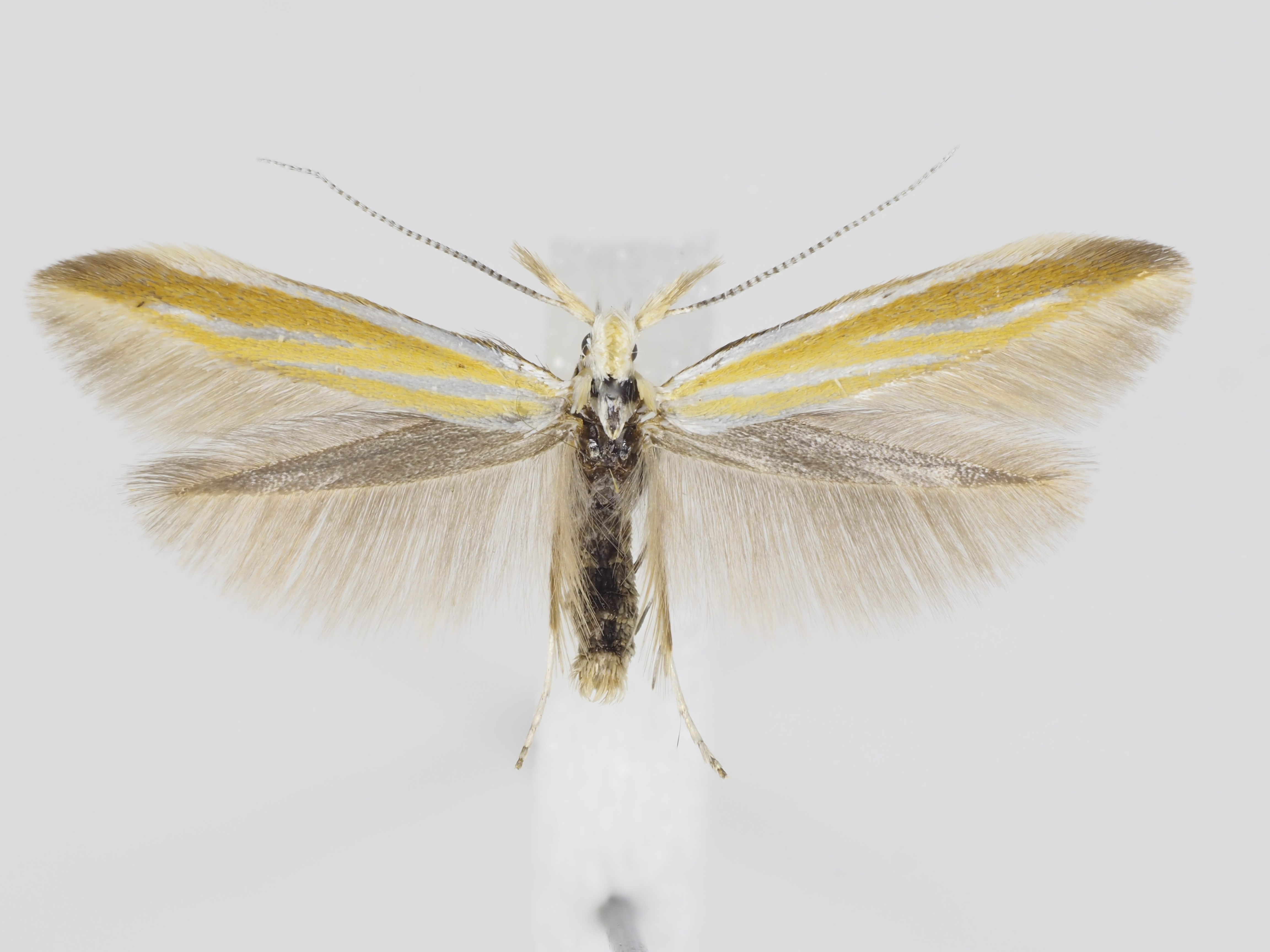
Knapweed case-bearer
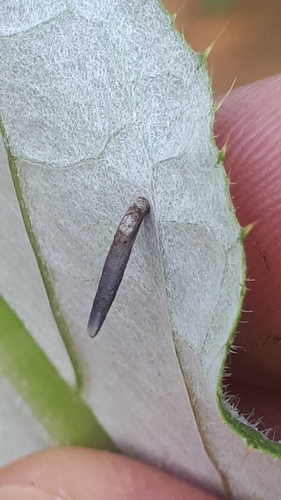
Coleophora conspicuella
Photo: Wikimedia Commons (CC) via https://en.wikipedia.org/wiki/Coleophora_conspicuella
Overview
Coleophora conspicuella is a moth of the family Coleophoridae found in Asia and Europe. It was first described by Philipp Christoph Zeller in 1849.
The Knapweed case-bearer (Coleophora conspicuella) is critically endangered primarily due to habitat loss and degradation of its specialized chalk grassland environments. The species depends on specific host plants in the knapweed family, making it extremely vulnerable to changes in grassland management and agricultural intensification.
Habitat
This species can be found in all of Europe (except Ireland), in Siberia, Asia Minor, Syria, Iraq and Altai. These rather vulnerable moths mainly occur in field edges, grassy slopes and scrubland.
Other threatened species in Coleophoridae

Frequently asked questions
Why is Knapweed case-bearer classified as Critically Endangered?
Where does Knapweed case-bearer live?
What are the main threats to Knapweed case-bearer?
Get weekly conservation intelligence
One short digest a week of the most striking species and country data we ship, plus breaking conservation news paired with our database where it matters.
Free, no spam. One-click unsubscribe in every email.