Species Explorer
Browse and search species from the IUCN Red List and GBIF.
54,666 species

kådvaxskinn
VUPhlebia serialis

Kæmpesvampemøl
ENScardia boletella
Scardia boletella is declining primarily due to habitat loss from deforestation and changes in forest management practices that reduce the availability of suitable fungal host species. Climate change may also be affecting the distribution and abundance of the bracket fungi that this moth species depends on for larval development.

kägelrygghorning
VUEubranchus vittatus

Kalakad Wrinkled Frog
ENNyctibatrachus vasanthi
The Kalakad Wrinkled Frog faces severe population declines primarily due to habitat destruction from deforestation, agricultural expansion, and human encroachment in the Western Ghats. Additional threats include pollution of streams and water bodies, climate change affecting montane ecosystems, and potential disease outbreaks that commonly affect amphibian populations.
kale parasolzwam
ENLepiota rufipes
Lepiota rufipes faces significant decline due to habitat loss from agricultural expansion and urban development across its limited European range. The species is particularly vulnerable due to its specialized ecological requirements and small, fragmented populations that are sensitive to environmental changes.
Kalk-landkortlav
CRRhizocarpon umbilicatum
Rhizocarpon umbilicatum, a crustose lichen species, faces severe decline primarily due to habitat loss and degradation of its specialized calcareous rock substrates. Air pollution, particularly nitrogen deposition and acid rain, significantly impacts this pollution-sensitive species by altering the chemical composition of its rocky habitat and disrupting its symbiotic relationship.
Kalkblaaskaakje
VUMyopa variegata
kalkhaarschubje
CRAgonimia globulifera
Agonimia globulifera, a rare crustose lichen, faces severe threats from habitat loss and degradation of its specialized substrate requirements. Air pollution and climate change further compromise the specific environmental conditions this species needs to survive, while its extremely limited distribution makes it highly vulnerable to local disturbances.
Kalkhede-bægerlav
CRCladonia symphycarpa
Cladonia symphycarpa is critically endangered primarily due to habitat loss and degradation of its specialized coastal and inland sandy environments. The species is extremely sensitive to air pollution, particularly nitrogen deposition, which alters the chemical composition of its substrate and disrupts the delicate ecological balance required for its survival.
kalkkranslav
VUPhaeophyscia constipata
kalkkrimmerlav
CRRinodina calcarea
Rinodina calcarea, a crustose lichen species, faces severe decline primarily due to habitat loss and degradation of its specialized calcareous substrates. Air pollution, particularly nitrogen deposition and acid rain, significantly impacts this pollution-sensitive species by altering the chemistry of its rocky habitats and reducing air quality.
kalkrødspore
VUEntoloma fridolfingense
kalkskjold
ENGlypholecia scabra
Glypholecia scabra faces severe decline primarily due to air pollution and habitat degradation affecting the specific environmental conditions required for this lichen species. The species is particularly vulnerable to changes in air quality and substrate availability in its specialized coastal and rocky habitats.

kalktandjeszwam
VUHyphodermella corrugata
kalvasviirusirvikäs
ENGrammotaulius nitidus
Grammotaulius nitidus faces severe population declines primarily due to habitat degradation from water pollution, agricultural runoff, and urban development affecting its freshwater ecosystems. Climate change is altering water temperatures and flow patterns in the streams and rivers this caddisfly depends on for reproduction and larval development.
kamelgrenvivel
VUAcalles camelus
kamomillspetsvivel
CRDiplapion confluens
Diplapion confluens, a specialized weevil species, faces severe population declines primarily due to habitat loss and degradation of its host plant communities. The species' narrow ecological requirements and limited dispersal ability make it particularly vulnerable to environmental changes and fragmentation of suitable habitats.
kanadankääpa
CRAntrodiella canadensis
Antrodiella canadensis is critically endangered primarily due to the loss and degradation of old-growth forest habitats that provide the specific dead wood substrates this polypore fungus requires for survival. The species has an extremely limited distribution and appears to be dependent on particular host tree species and forest conditions that are increasingly rare due to logging and forest management practices.

Kangadja tsipelapelaka
CRAdiantum philippense
The threats to Kangadja tsipelapelaka (Adiantum philippense) have not been assessed, so the specific dangers facing this fern species are currently unknown. Without a proper threat assessment, scientists cannot determine what factors might be putting this plant at risk or how urgent conservation efforts need to be. It is therefore impossible to determine whether threats to this species are increasing, stable, or decreasing.
kantad kulhalsbock
VUAcmaeops marginatus
karamelsatijnzwam
VUEntoloma sacchariolens
karelsk barkfluga
ENXylomya czekanovskii
Xylomya czekanovskii faces severe population declines primarily due to habitat loss from deforestation and forest fragmentation in its limited boreal range. Climate change poses an additional threat by altering the specific microhabitat conditions required by this specialized dipteran species.
käringtandsbaljvivel
VUTychius squamulatus
kärnticka
VUInocutis dryophila
kärrfuktspindel
CRRobertus insignis
Robertus insignis, the kärrfuktspindel, is critically endangered due to its extremely limited distribution in specific wetland habitats in Sweden. The species faces severe threats from habitat destruction through wetland drainage, climate change affecting moisture levels, and potential pollution of its specialized bog and fen environments.
kärrgropspindel
CREntelecara omissa
Entelecara omissa, the kärrgropspindel, is critically endangered primarily due to habitat loss and degradation of its specialized wetland environments. This small spider species has extremely limited distribution and is highly vulnerable to changes in water levels, pollution, and human disturbance of its bog and marsh habitats.
kärrmånspindel
ENAgroeca dentigera
Agroeca dentigera faces severe population declines primarily due to habitat loss and degradation of its specialized wetland environments. The species is particularly vulnerable to drainage of marshlands, agricultural intensification, and changes in water management practices that alter the moisture regimes of its preferred habitats.
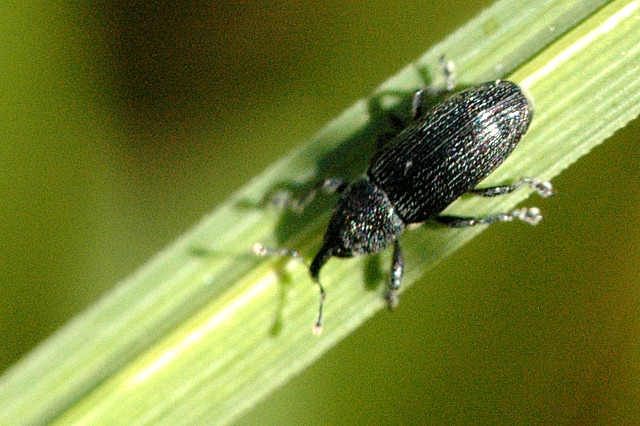
kärrsvartvivel
VULimnobaris t-album

Karsetæge
CREurydema dominulus
Karsetæge faces severe population declines due to intensive agricultural practices that eliminate its host plants and apply harmful pesticides. Habitat fragmentation from urban development and agricultural expansion has isolated remaining populations, while climate change is altering the distribution and phenology of its cruciferous host plants, disrupting critical breeding cycles.
katinga
VUMerrillia caloxylon

Kauai Nukupuu
CRHemignathus hanapepe
The Kauai Nukupuu faces severe threats from habitat destruction due to invasive plant species that have altered native forest ecosystems, and introduced diseases like avian malaria and pox transmitted by non-native mosquitoes. Additional pressures include habitat degradation from feral ungulates, competition with introduced bird species, and the extremely small population size that makes the species vulnerable to stochastic events.
kaulusputkisirvikäs
VULimnephilus coenosus
kaunolaikkukärpänen
ENPalloptera formosa
Palloptera formosa faces severe population declines primarily due to habitat loss from agricultural intensification and urbanization in its limited range. The species' specialized ecological requirements and small population size make it particularly vulnerable to environmental changes and habitat fragmentation.

Keeled Skimmer
VUOrthetrum coerulescens
Keeled-fruited Cornsalad
ENValerianella carinata
Keeled-fruited Cornsalad faces severe decline primarily due to agricultural intensification and habitat loss from conversion of traditional farming systems to modern intensive agriculture. The species is particularly vulnerable to changes in land management practices, including increased use of herbicides and fertilizers, as well as the abandonment of traditional low-intensity farming methods that historically maintained suitable habitat conditions.
Kegeliger Moor-Gürtelfuß
VUCortinarius striaepilus
kegelnarcisvlieg
VUMerodon avidus
keihäskiiluri
VUDolichopus lancearius
keijunseitikki
VUCortinarius bayeri
Keith's Wot-wot
ENPhlyctimantis keithae
Keith's Wot-wot faces severe population declines primarily due to habitat destruction from agricultural expansion and urban development across its limited range in West Africa. The species is particularly vulnerable due to its specialized breeding requirements in temporary pools and its restricted distribution, making populations highly susceptible to local extinctions from environmental changes.
Keleti prémesbogár
ENTrichius sexualis
Trichius sexualis faces severe population declines primarily due to habitat loss from agricultural intensification and urbanization in its limited Central European range. The species' specialized requirements for old-growth deciduous forests with specific host plants make it particularly vulnerable to landscape fragmentation and changes in forest management practices.

Kentish Glory
VUEndromis versicolora

Kentish Plover
ENCharadrius alexandrinus
The Kentish Plover faces severe population declines primarily due to coastal habitat destruction from urban development, tourism infrastructure, and sea-level rise. Human disturbance at nesting sites, predation by introduced species, and pollution of coastal wetlands further threaten breeding success and survival rates.
Kerbblättriger Rübling
VURhodocollybia prolixa
Kerbrandiger Saftling
VUHygrocybe marchii
Kervern's Rötling
VUEntoloma kervernii
ketohärö
CRAiraphilus elongatus
The ketohärö faces severe population declines due to extensive habitat loss from deforestation and agricultural conversion throughout its limited range. Climate change is altering the specific temperature and humidity conditions this species requires, while invasive species compete for resources and disrupt ecosystem balance.

Key tree cactus
ENPilosocereus robinii
The Key tree cactus faces severe threats primarily from habitat loss due to coastal development and sea level rise in the Florida Keys. Hurricane damage and human disturbance from recreational activities further compound the species' vulnerability, with the extremely limited range making recovery difficult.
Kiefernrindenzikade
VUCixidia confinis
Killarney Featherwort
CRPlagiochila bifaria
Killarney Featherwort (Plagiochila bifaria) is critically endangered due to its extremely limited distribution and vulnerability to habitat degradation. This rare bryophyte is restricted to very specific microhabitat conditions in Ireland and faces ongoing threats from environmental changes and human disturbance. Climate change and altered precipitation patterns pose additional risks to its specialized ecological requirements.